Air Duct Cleaning: What Indianapolis & Chicago Homeowners Need to Know Before Spring Allergen Season (2026)
Air Duct Cleaning: What Indianapolis & Chicago Homeowners Need to Know Before Spring Allergen Season (2026)

You've had your furnace running non-stop since November. Windows sealed. Same air cycling through your house for five solid months. Now spring is creeping in — and with it, tree pollen, mold spores from thawing ground, and whatever your ducts have been collecting since the last time anyone looked inside them.
Every spring, homeowners in Indianapolis and Chicago start Googling "air duct cleaning near me" — sometimes out of genuine concern, sometimes because a mailer landed on the porch promising a "$79 whole-house clean." Before you book anything, read this. We'll cut through the noise, tell you what the EPA actually says (it's not what duct cleaning companies want you to hear), give you real cost numbers for the Midwest, and help you figure out whether you need this service at all.
Short version: sometimes you do, sometimes you don't. Knowing the difference can save you a few hundred dollars and protect you from getting scammed.
Does Air Duct Cleaning Actually Work? (The Honest Answer)
Here's something most duct cleaning companies won't put in their ads: the EPA does not recommend routine air duct cleaning. That's not a misread — the EPA's own guidance on indoor air quality states clearly that duct cleaning "has never been shown to actually prevent health problems" and that most dust inside ducts sticks to the duct walls and doesn't even make it into your living space.
That's the honest baseline. Duct cleaning isn't snake oil — it's a legitimate service in specific situations — but it's also one of the most oversold home services in the country.
What the EPA does say is this: there are three conditions where cleaning is genuinely warranted.
- Visible mold growth inside hard-surface (sheet metal) ducts or on HVAC components
- Rodent or insect infestation inside the ductwork
- Ducts clogged with debris that is visibly blowing out of supply registers into your living space

If none of those apply to you? Your money is probably better spent on a quality air filter. We'll come back to that.
One important caveat on mold: what looks like mold might not be, and what is mold can't always be seen. If you suspect mold in sheet metal ducts, a lab test (around $50 using a sticky tape sample) is the only reliable way to confirm it. And if your ductwork is insulated flex duct that's gotten wet or moldy? It can't be cleaned — it has to be replaced. Fixing the moisture source comes first, or the mold comes right back.
3 Signs You Actually Need Your Ducts Cleaned (And 3 Signs You Don't)
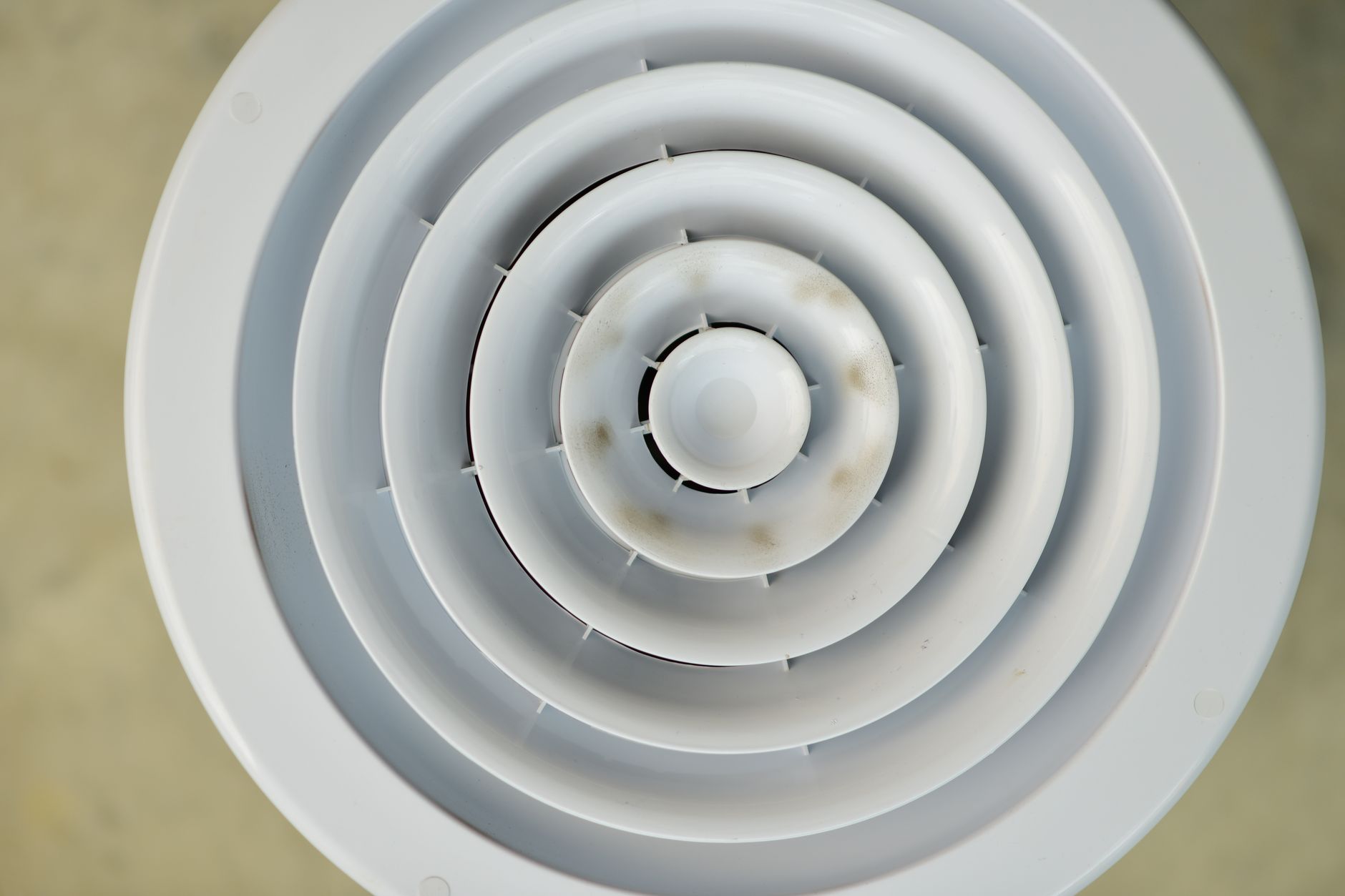
You probably DO need it if:
- You just moved into a home with unknown maintenance history. If you have no idea when (or if) the ducts were last cleaned, and the home is 10+ years old, it's reasonable to start fresh — especially in older Indianapolis bungalows or Chicago two-flats where ductwork may not have been touched in decades.
- You just completed a major renovation. Construction dust is particularly nasty — drywall particles, insulation fibers, wood debris. It gets into ducts and doesn't go away on its own.
- You're dealing with musty or funky odors when the HVAC kicks on. That smell is coming from somewhere in the system. Could be mold, could be pest activity, could be accumulated debris. Worth investigating.
- You have pets, allergy sufferers in the home, and haven't cleaned in 5+ years. NADCA recommends cleaning every 3–5 years under normal conditions — more frequently in high-dander or allergy-prone households.
You probably DON'T need it if:
- Your ducts were cleaned within the last 3–5 years and you have no new mold, pest, or renovation issues. Duct cleaning is not an annual maintenance item.
- You just have sneezing or allergy symptoms. Air duct cleaning has no proven clinical benefit for allergy relief. A better filter and source control (vacuuming, dehumidifying) will do more.
- A company told you that you "need" it without showing you documented evidence. If they can't show you photos or actual contamination findings, be skeptical.
What It Actually Costs in Indianapolis and Chicago (2026)

National pricing data (Bob Vila, 2023 baseline) puts the typical range for air duct cleaning at $268–$492, with a national average of around $379. Per-vent pricing usually runs $25–$50 per vent, with $35 being the most common midpoint. Note: these figures reflect 2023 data; actual 2026 pricing may run slightly higher due to labor cost increases.
Here's how that maps to Midwest markets specifically:
| Home Size / Vent Count | Indianapolis Est. | Chicago Est. |
|---|---|---|
| Small home / ~8 vents | $200 – $350 | $225 – $400 |
| Average 3BR home / ~12–14 vents | $300 – $500 | $350 – $600 |
| Larger home / ~16–20 vents | $400 – $700 | $450 – $800 |
Indianapolis tends to run slightly below the national average — it's a mid-tier labor market. Chicago runs a bit above, reflecting higher labor costs across the metro. Both cities have plenty of legitimate local operators competing on price, so don't accept the first quote you get.
Red flag pricing: If someone quotes you $49–$99 for a "whole house" clean, that's almost certainly a bait offer. The plan is to get inside your home and upsell — biocide treatment ($200–$500 extra), dryer vent cleaning, "emergency" mold remediation. The legitimate cost for a thorough job on an average Midwest home starts at $300 and goes up from there.
Above $800 for a standard home with no documented mold or pest issues? That's likely overselling. Get a second opinion.
One more thing to clarify: a real duct cleaning job isn't just vacuuming the vents. A complete service should cover the blower, heat exchanger, drain pan, coils, plenum, and all supply and return vents. If a company quotes only the vents and charges you a low number, you're not getting a full system cleaning.
How to Hire a Legit Duct Cleaner (And Spot the Scams)

The duct cleaning industry has a well-documented scam problem. Low-ball bait ads are common, and pressure tactics are standard for the bad actors. Here's how to protect yourself:
The one credential that matters: NADCA certification
The National Air Duct Cleaners Association (NADCA) is the industry's primary credentialing body. NADCA-certified companies are required to follow the NADCA standard for HVAC cleaning — which means proper equipment, trained technicians, and a legitimate scope of work. You can verify any company's NADCA certification at nadca.com before you book.
Indiana and Illinois both regulate HVAC contractors at the city and county level rather than the state level — meaning requirements vary by municipality. In Indianapolis and Chicago, local licensing boards set the rules. Ask any contractor what local licensing they hold, and verify they carry liability insurance and worker's comp. If someone gets hurt in your home and they're uninsured, you could be on the hook.
Questions to ask before you book:
- Are you NADCA certified? What's your certification number so I can verify it?
- What equipment do you use? (You want: truck-mounted or portable negative pressure system with HEPA filtration — not a shop vac)
- Does your quote include full system cleaning — blower, coils, heat exchanger — or just the ducts?
- Do you use chemical biocides? If so, why, and what specifically?
- How long will the job take? (Typical: 3–5 hours for an average home)
- What could add to the quoted price?
Walk away if:
- They claim cleaning will cure your asthma or allergies — no clinical evidence supports this
- They "find" mold or contamination but won't show you photos or documentation
- They push hard on biocide treatments without explaining why your ducts specifically need it
- They can't provide local references or show you reviews from Indianapolis/Chicago customers
- They demand full payment before starting work
DIY vs. Professional: Know What You Can and Can't Do Yourself

Let's be straight about this: deep duct cleaning is not a DIY job. The equipment required — truck-mounted negative pressure vacuum systems, rotary brush attachments, HEPA filtration — is commercial-grade and generates far more suction than any shop vac you can rent or buy. Consumer-grade equipment can't reach all the ductwork, can't generate sufficient negative pressure to safely contain debris, and may actually dislodge particles that then get blown into your living space.
What you CAN handle yourself:
- Air filter replacement — Do this every 1–3 months. It's the single most impactful maintenance task you can do for your HVAC and indoor air quality. It's also $10–$30 depending on filter grade.
- Vent cover cleaning — Remove registers and wash them with soap and water. Takes 20 minutes, costs nothing, and removes the surface-level buildup you can actually see.
- Visual inspection — Shine a flashlight into accessible duct openings. If you see visible dust clouds, dark discoloration (potential mold), or pest evidence, you've got a documented reason to call a pro.
The filter upgrade as a real alternative:
If your main concern is allergens — and for most Indianapolis and Chicago homeowners, it should be — a filter upgrade will do more than duct cleaning. Here's the rundown on MERV ratings:
- MERV 1–4: Basic fiberglass, catches large particles only — skip it
- MERV 8–10: Standard pleated filter, works for most homes
- MERV 11–13: High efficiency, catches allergens, mold spores, fine dust — recommended for allergy sufferers in Indy and Chicago
- MERV 14+: Near-HEPA; may restrict airflow in older systems — check with your HVAC tech first
The EPA's recommended first line of defense against indoor allergens is high-quality filtration and source control — not duct cleaning. Start there.
Why Spring Timing Matters for Midwest Homeowners

Here's the case for doing this now rather than waiting until fall:
Your furnace has been running since November. That's four or five straight months of the same indoor air recirculating through your ducts with windows sealed. Whatever has accumulated in those ducts — pet dander, skin cells, dust, mold spores from basement humidity — has been cycling through your home all winter.
In Indianapolis, tree pollen (maple, elm, birch, oak) typically arrives mid-March and peaks through May. In Chicago, the window is similar — late March through May — with lake-effect moisture keeping mold conditions elevated. If your ducts are already loaded with winter debris, adding spring pollen to the mix means your HVAC is distributing a cocktail of allergens every time it kicks on.
Cleaning ducts before you open windows for the season means you're starting with a cleaner slate. The EPA also recommends replacing your filter before pollen season — not during, when the old filter is already saturated.
Spring is also when HVAC companies run A/C tune-ups, which means technicians are already in your system. That's an ideal time to have ductwork inspected as part of a bundled service call — and potentially cheaper than scheduling duct cleaning as a standalone job.
Simple action plan:
- Now (March): Visually inspect your vents; check your current filter; notice any musty smells when heat runs
- March–April: Schedule spring HVAC tune-up; ask tech to inspect ducts during the visit
- April (before pollen peaks): Get ducts cleaned if warranted; upgrade to MERV 11–13 filter
- May: Open windows with confidence — your system is prepped for allergen season
FAQ: Air Duct Cleaning for Indianapolis & Chicago Homeowners

- How often should I have my air ducts cleaned?
- NADCA recommends every 3–5 years as the standard guideline for a typical home. If you have multiple pets, allergy sufferers, or recently completed a renovation, lean toward the shorter end of that range. Duct cleaning is not an annual maintenance item.
- Does air duct cleaning actually help with allergies?
- Not in a clinically proven way. The EPA states duct cleaning has never been shown to definitively prevent health problems. For allergy relief, upgrading to a MERV 11–13 filter and reducing indoor allergen sources (vacuuming, dehumidifying) will have more impact than duct cleaning alone.
- How much does air duct cleaning cost in Indianapolis?
- Expect $300–$500 for a typical 3-bedroom home in the Indianapolis metro. Smaller homes or fewer vents may come in around $200–$350. Quotes above $800 for a standard home without documented mold or pest issues warrant a second opinion.
- How much does air duct cleaning cost in Chicago?
- Chicago labor costs run slightly higher — budget $350–$600 for an average home. Larger homes or homes with documented contamination issues can run higher. The same red flags apply: anything under $100 for a "whole house" is likely a bait offer.
- How do I know if my ducts have mold?
- Visual inspection alone is unreliable — mold and mildew look similar and can be confused with dark dust. A lab test using a sticky tape sample from inside the duct can confirm mold for around $50. If a duct cleaning company tells you that you have mold, ask them to document it and show you the evidence before authorizing any remediation.
- What is NADCA certification and why does it matter?
- NADCA (National Air Duct Cleaners Association) is the primary industry credentialing body for duct cleaning professionals. NADCA-certified companies are required to follow established standards for HVAC cleaning equipment and procedures. You can verify certifications at nadca.com. It's the most important single credential to require when hiring.
- Can I clean my own air ducts?
- You can clean vent covers and change filters — both of which you should do regularly. Actual deep duct cleaning requires commercial-grade negative pressure vacuum equipment that isn't available as a consumer rental. Attempting to DIY with a shop vac can dislodge debris into your living space without properly capturing it.
- Is spring or fall a better time to clean ducts?
- Spring has a strong case for Midwest homeowners: you're coming off 4–5 months of sealed-up heating season, doing the job before pollen peaks means you're not circulating old debris alongside new allergens, and spring HVAC tune-up season makes bundling services convenient. Fall cleaning (before heating season) is also valid, especially if you skipped spring.

Bottom Line: Should You Book a Duct Cleaning This Spring?
Here's the no-nonsense summary:
Book it if: You're moving into a home with unknown maintenance history, you finished a renovation, you smell something musty when the heat runs, you've got visible evidence of mold or pests, or your ducts genuinely haven't been touched in 5–7+ years and you have allergy sufferers or pets in the home.
Skip it if: Your ducts were cleaned recently, you have no documented contamination, and your primary concern is general allergen sensitivity. In that case, spend $25 on a MERV 11–13 filter first and see how that goes.
Whichever way you go — verify NADCA certification, get a written quote that covers the full system (not just the vents), and don't let anyone pressure you into biocide treatments or "emergency" services without showing you documented evidence first.
Spring in Indianapolis and Chicago is rough enough with pollen counts going through the roof. At least your HVAC system doesn't have to make it worse.
Ready to get your home HVAC-ready for spring? Start with a filter swap today — it takes five minutes and costs less than a pizza. If you want a pro opinion on your ductwork, ask your HVAC tech during your annual spring tune-up before committing to a standalone duct cleaning appointment. You'll get an honest assessment and potentially save a service call fee.
Find Trusted Pros Near You
Ready to start your project? Connect with vetted, top-rated contractors in your area.
Get Started