The High Cost of Skipping Your Spring AC Tune-Up in Indianapolis
As we bundle up against the February chill here in Indianapolis, the last thing on most homeowners' minds is their air conditioner. The hazy, humid days of a Central Indiana summer feel a world away. It’s tempting to push that annual AC tune-up to the bottom of the to-do list—or even skip it altogether. After all, it’s an extra expense, and if the system was working fine when you shut it down last fall, what could possibly be wrong?
This line of thinking, while common, is a classic example of a false economy. Trying to save a hundred dollars or so now by skipping routine maintenance can lead to a cascade of much larger, more stressful expenses down the road. That small, preventative cost is actually an investment in your home's efficiency, your family's comfort, and the longevity of one of your most expensive appliances.
Let's break down the real, hidden costs of putting off that essential spring AC tune-up—the costs that don't show up until you're sweating it out in the middle of July.
The False Economy of Skipping AC Maintenance
Think of your air conditioner like your car. You wouldn't dream of driving 30,000 miles without an oil change, yet many homeowners expect their AC—a complex machine with intricate moving parts, electrical components, and pressurized refrigerant—to run flawlessly year after year with zero attention. Over a long, hot Indianapolis summer, your AC unit runs for hundreds, if not thousands, of hours. That's a lot of wear and tear.
A professional tune-up isn't just a quick glance. It’s a comprehensive inspection and cleaning designed to catch small issues before they become catastrophic failures. It restores the system to its peak operating efficiency, ensuring it's ready to handle the demand when the first heat wave hits Fishers or the humidity settles over Broad Ripple.
Hidden Cost #1: Your Summer Energy Bills Will Soar
The most immediate and predictable consequence of a neglected AC unit is a sharp increase in your monthly energy bills. An HVAC system that hasn't been professionally serviced loses a significant portion of its efficiency each year. It’s forced to work harder and run longer to produce the same cooling effect, and that extra effort is reflected directly on your AES Indiana or Duke Energy bill.
Why does a dirty system cost more to run?
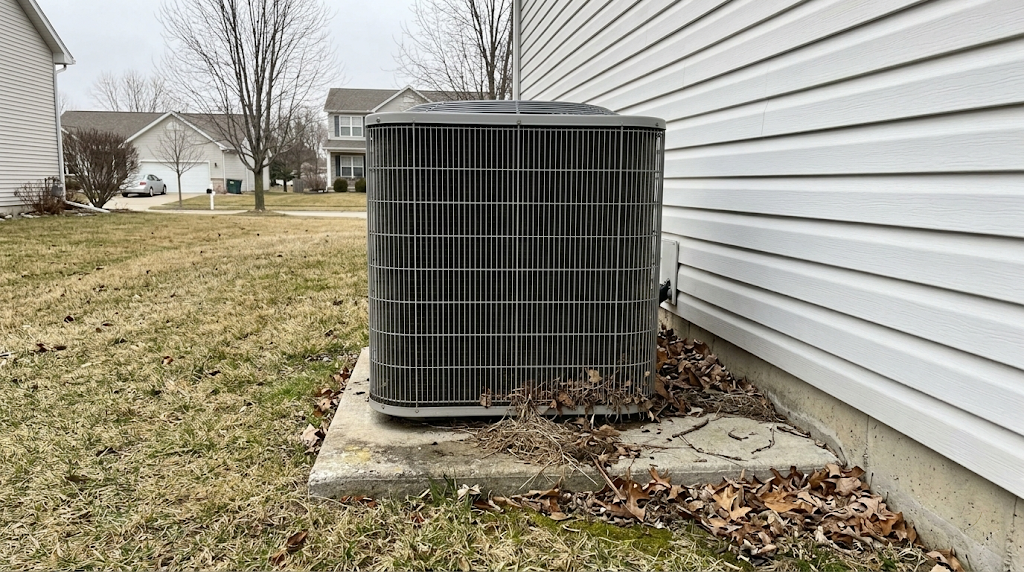
Clogged Condenser Coils: The outdoor unit's job is to release the heat collected from inside your home. Over the fall and winter, its coils get blanketed in dirt, grass clippings, cottonwood seeds, and other debris. This layer of grime acts like an insulator, trapping heat and forcing the compressor—the heart of your system—to work overtime. Just cleaning the coils can improve efficiency by up to 15%.
Dirty Evaporator Coils & Blower: Inside your home, the evaporator coil and blower fan can get caked with dust and pet dander. This restricts airflow, reducing the system's ability to cool and dehumidify your home. You might notice rooms feeling stuffy or clammy, even when the AC is running constantly.
Incorrect Refrigerant Levels: An AC is a closed system, so low refrigerant means there's a leak. A system that is even 10% low on refrigerant can increase your operating costs by as much as 20% while providing less cooling. A technician can identify and repair these leaks during a tune-up.
That $100 you "saved" by skipping the tune-up can easily be eaten up by an extra $30-$50 per month in higher electricity costs during June, July, and August. Over the course of the summer, you've already spent more than the tune-up would have cost, with none of the benefits.

Dirty condenser coils force your AC to work harder, dramatically increasing your energy consumption. A professional cleaning can improve efficiency by up to 15%. (Photo by José Andrés Pacheco Cortes on Pexels)
Hidden Cost #2: The Price of a Mid-July Emergency Breakdown
Picture this: It's the first 95-degree day of the year with that signature Indiana humidity you can wear like a blanket. Your house is full of guests for a summer barbecue, and suddenly, the cool air stops. The AC is dead. This is the scenario every homeowner dreads, and it’s far more likely to happen to a system that missed its spring check-up.
The cost of an emergency breakdown goes far beyond inconvenience:
Emergency Service Fees: Calling an HVAC company on a sweltering holiday weekend means you'll be paying a premium. Expect higher hourly rates, after-hours fees, and trip charges that are significantly more expensive than a scheduled maintenance visit.
Waiting for a Technician: When your AC dies during a heatwave, so does everyone else's. You could be waiting days for an available technician, sweating it out in a dangerously hot home or paying for a hotel room.
Costlier Repairs: Many common AC breakdowns are caused by small, inexpensive parts failing. For example, a weak capacitor—a part that helps start the compressor and motors—can be identified and replaced for a relatively low cost during a tune-up. If it fails completely, it can cause a cascading failure that damages the much more expensive compressor or fan motor, turning a simple fix into a four-figure repair bill.
The stress, discomfort, and exorbitant cost of a mid-summer emergency call are perhaps the biggest "hidden fees" of skipping your spring tune-up.

Hidden Cost #3: A Shorter, More Expensive System Lifespan
A central air conditioning system is one of the most significant investments in your home, with replacement costs in the Indianapolis area often running from $7,000 to $15,000 or more. A well-maintained unit can reliably last 15-20 years. A neglected unit might fail in as little as 10 years.
Constant strain from running inefficiently takes a toll. Dirty coils make the compressor overheat. Restricted airflow puts stress on the blower motor. Unchecked vibrations can loosen electrical connections. Minor refrigerant leaks can lead to compressor failure. Each of these issues, left unaddressed, chips away at the lifespan of your system.
By skipping a $150 annual tune-up, you could be forcing yourself to spend thousands on a full system replacement five or even ten years sooner than necessary. The math is simple: investing a small amount each spring is the most cost-effective way to protect your much larger investment for the long term.

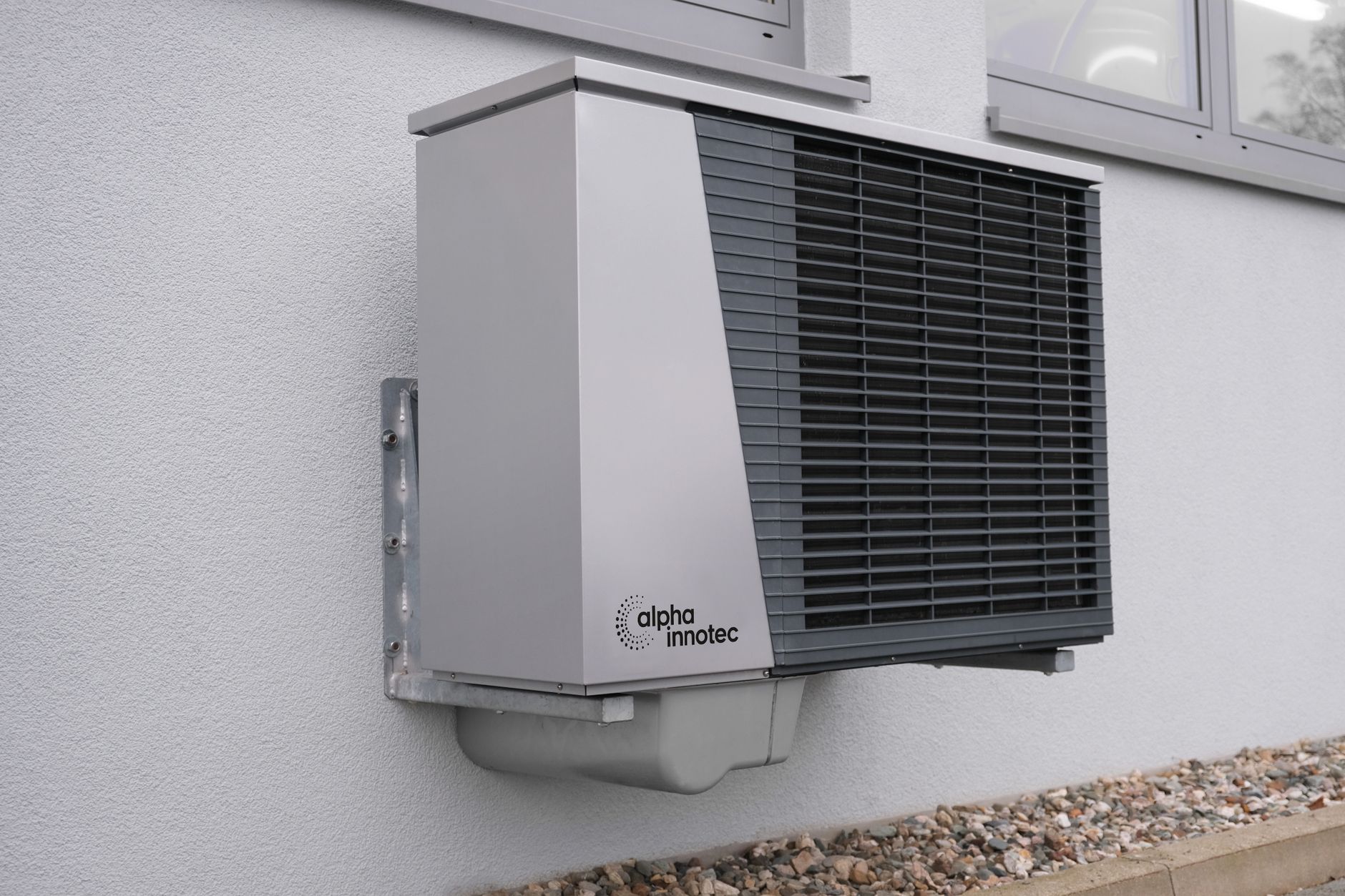
Preventative maintenance catches small issues like corrosion and wear before they cause catastrophic failure, extending the life of your expensive HVAC system. (Photo by Jay Brand on Pexels)
Hidden Cost #4: Compromised Indoor Air Quality
Your HVAC system doesn't just cool the air; it circulates it. Every cubic foot of air in your home passes through the system multiple times per day. If the system is dirty, it becomes a giant delivery service for allergens, dust, mold, and bacteria.
Here’s what happens inside a neglected unit:
Clogged Air Filters: This is the first line of defense, but if it's clogged, it can't trap pollutants. Instead, dust and debris get pulled into the system, coating the components.
Mold and Mildew Growth: The dark, damp environment of the indoor evaporator coil and condensate drain pan is a perfect breeding ground for mold and mildew. When the blower fan kicks on, it sends these spores directly into your living spaces.
Circulating Allergens: For anyone in Central Indiana with seasonal allergies, a dirty AC can make symptoms worse by constantly recirculating pollen, pet dander, and dust mites that should have been trapped by the filter.
A thorough tune-up includes cleaning these critical components and ensuring the condensate drain is clear, which not only prevents water damage but also removes a primary source of microbial growth. The cost of poor indoor air quality isn't measured in dollars, but in the health and comfort of your family.

A clogged filter not only restricts airflow but also fails to trap allergens, dust, and pollutants, circulating them throughout your home. (Photo by José Andrés Pacheco Cortes on Pexels)
The Smart Investment: What a Professional Tune-Up Prevents
A professional AC tune-up is a comprehensive service that addresses all the potential failure points and inefficiencies mentioned above. While the exact checklist can vary slightly between companies, a quality tune-up from a certified Indianapolis HVAC technician should always include:
Thorough Cleaning: Cleaning the outdoor condenser coils, indoor evaporator coils (if accessible), and blower components to maximize airflow and heat transfer.
Electrical Inspection: Tightening all electrical connections and measuring the voltage and current on motors. Worn or loose connections are a fire hazard and a common point of failure.
Component Testing: Checking the capacitors, contactors, and relays to ensure they are within spec. Replacing a weak capacitor is a cheap fix that prevents expensive motor damage.
Refrigerant Level Check: Measuring the refrigerant charge to ensure it meets the manufacturer's specifications. If it's low, they will identify and recommend a repair for the leak.
Condensate Drain Cleaning: Flushing the drain line to prevent clogs, which can lead to water damage, rust, and mold growth.
Lubrication: Lubricating all moving parts to reduce friction and wear.
Thermostat Calibration: Ensuring your thermostat is reading the temperature correctly and communicating properly with the AC unit.
Overall System Test: Running the system through a full cooling cycle to monitor performance and ensure it’s ready for summer.
This service provides more than just preventative care; it provides peace of mind. You’ll know your system is safe, efficient, and ready to keep you comfortable all summer long.
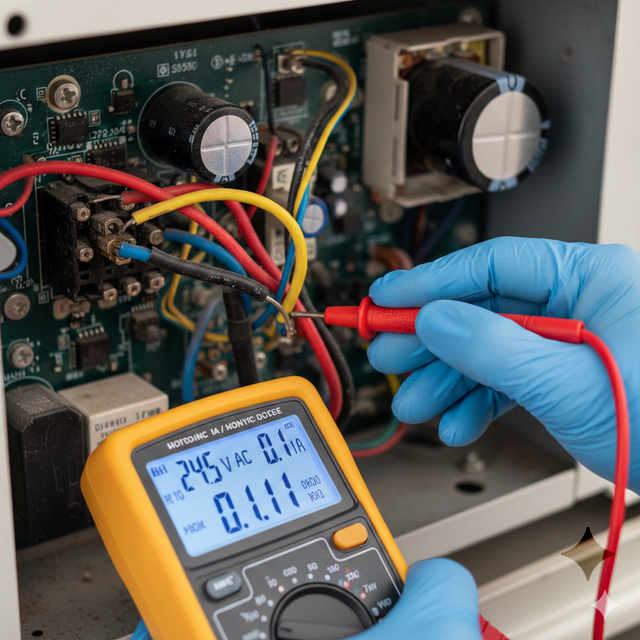
A professional HVAC technician tests electrical connections with a multimeter during a routine AC tune-up — catching issues like loose wires or failing capacitors before they cause a breakdown.
When to Call a Professional
Even with regular maintenance, problems can arise. Don't wait for a complete breakdown. If you notice any of the following warning signs, it's time to call a qualified HVAC contractor for a diagnosis:
Weak or No Airflow: If you feel very little air coming from your vents, it could signal a clogged filter, a failing blower motor, or blocked ductwork.
Blowing Warm Air: This is a clear sign something is wrong. Common culprits include low refrigerant due to a leak or a problem with the compressor.
Strange Noises: Your AC should be relatively quiet. Grinding, squealing, clanking, or banging sounds indicate a mechanical problem that needs immediate attention to prevent further damage.
Unpleasant Odors: A musty smell often points to mold or mildew in the unit or ductwork. A burning smell could indicate an electrical problem and should be addressed immediately.
Frequent Cycling: If your system turns on and off every few minutes, it could be oversized for your home, low on refrigerant, or have a faulty thermostat.
Water Leaks: Pooling water around your indoor or outdoor unit is not normal. It usually indicates a clogged condensate line or a refrigerant leak.

Schedule Your Indianapolis AC Tune-Up Before the Rush
The best time to think about summer comfort is right now, in the dead of winter. By scheduling your AC tune-up in February or March, you beat the spring rush. HVAC companies in Carmel, Zionsville, and across the metro area have more open schedules, meaning you can book an appointment that's convenient for you.
Many contractors even offer pre-season specials and discounts. It's the smartest, most convenient, and most cost-effective time to get this essential task checked off your list. Don't wait for the first 80-degree day when their phones start ringing off the hook with emergency calls. A little foresight now ensures a cool, comfortable, and worry-free summer in your Indianapolis home.
Find HVAC Pros Near You
Ready to get started? Browse verified hvac contractors in your area on SAORR.
Indianapolis: Browse Indianapolis HVAC Pros →
Carmel: Browse Carmel HVAC Pros →
Fishers: Browse Fishers HVAC Pros →
Free quotes • Verified reviews • Licensed & insured professionals
Find Trusted Pros Near You
Ready to start your project? Connect with vetted, top-rated contractors in your area.
Get Started