Wildfire Home Hardening Guide
Wildfire Home Hardening in the Mountain West: What It Costs and How to Protect Your Home in 2026
If you live in Colorado, Utah, Nevada, Arizona, Montana, Idaho, Wyoming, or New Mexico, you already know: wildfire is not a question of if — it's a question of when and how close. The Marshall Fire burned 1,000 homes in Boulder County in December 2021. The Hermits Peak/Calf Canyon Fire became the largest in New Mexico history just five months later. From the Boise Foothills to the Santa Catalinas outside Tucson, the wildland-urban interface is expanding every year — and so is the threat to homes that aren't built or hardened to withstand it.
The good news: wildfire home hardening works. Research from IBHS consistently shows that hardened homes survive wildfires at dramatically higher rates than unprotected ones. Most homes don't ignite from a wall of flame — they catch from flying embers that can travel up to a mile ahead of a fire front. The right upgrades — vents, roofing, gutters, siding, and defensible space — can make the difference between walking back to your home after a fire and walking back to a foundation.
Why Wildfire Hardening Matters in the Mountain West
The Mountain West is the highest-risk wildfire region in the United States. The combination of drought, heat, low humidity, strong seasonal winds, and decades of accumulated fuel creates fire conditions that can move faster than people expect and burn hotter than older homes were built to handle.

What makes the WUI particularly dangerous is that so much of it was developed before modern wildfire codes existed. Subdivisions built in the 1980s and 1990s across the Colorado Front Range, Wasatch bench communities, the Boise Foothills, and the East Mountains outside Albuquerque were built with wood shingles, standard attic vents, and vinyl siding that act as kindling when embers arrive. Updating those homes doesn't require starting from scratch — it requires strategic, prioritized upgrades.
Insurance pressure is also becoming a real driver. Insurers across the Mountain West are dropping policies, raising premiums, or requiring documented hardening upgrades before renewing coverage in high-risk zones. Completing the right upgrades — and documenting them properly — can keep your coverage in place and potentially reduce your premium by 5–20%.
The Most Important Upgrades (Where to Start)
Not every upgrade carries the same weight. If you're working with a limited budget, start with the upgrades that address how most WUI homes actually ignite: ember intrusion. According to NFPA research, the majority of homes lost in wildfires catch from embers — not direct flame contact. That means your vents, gutters, and soffits are your first line of defense, not your roof color.

Priority 1: Ember-Resistant Vents
Standard attic and crawl space vents have openings large enough to admit burning embers. A full-house ember-resistant vent retrofit — replacing existing vents with 1/16-inch stainless mesh covered units — typically costs $1,200–$4,500 depending on the number of vents and attic accessibility. This is the highest-ROI single upgrade you can make.
Priority 2: Gutters and Soffits
Wood debris and pine needles accumulating in gutters become a direct ignition pathway. Non-combustible metal gutters with ember-resistant fine-mesh gutter guards close this vulnerability for $800–$2,500. Enclosing or replacing exposed wood soffits with fiber cement or non-combustible materials costs $500–$2,000 per section.
Priority 3: Roofing
If your home still has wood shake or older three-tab asphalt shingles, upgrading to a Class A fire-rated roof is a major priority. The premium for Class A fire-rated asphalt shingles over standard shingles runs roughly $1,500–$3,500 over a standard roof replacement. A full metal roof costs $10,000–$25,000 for a 1,500 square foot home but lasts 50+ years and is the closest thing to a fireproof roof available.
Priority 4: Siding and Exterior Trim
Wood and vinyl siding are both combustible. Fiber cement siding (like HardiePlank) runs $12,000–$35,000 for a full-house installation depending on home size and complexity. Stucco is the lower-cost alternative at $9,000–$22,000 and is already common across Arizona and New Mexico. If a full siding replacement isn't in the budget, at minimum replace combustible wood trim around windows, doors, and eaves.
Priority 5: Defensible Space
Defensible space is a three-zone system defined by NFPA:
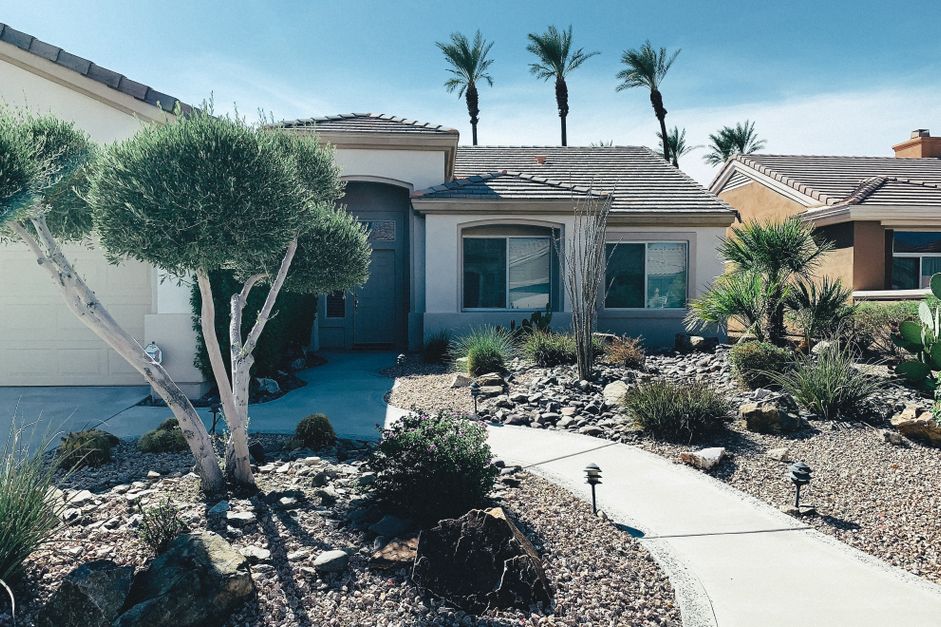
- Zone 0 (0–5 ft): Ember-resistant zone. No combustible mulch, no wood piles against the house, no flammable patio furniture. Use gravel, concrete, or non-combustible hardscaping.
- Zone 1 (5–30 ft): Lean, clean, and green. Spaced vegetation, no ladder fuels, irrigated plants where possible.
- Zone 2 (30–100 ft): Reduced fuel zone. Lower density trees, mowed grasses, no dead vegetation.
Basic Zone 1 clearing and Zone 0 treatment runs $2,500–$8,000. A full three-zone treatment with fire-resistant native replanting costs $8,000–$20,000 for a larger lot.
How Wildfire Hardening Costs Vary Across the Mountain West
Labor costs, local permit requirements, contractor availability, and regional demand all affect what you'll pay. Here's what homeowners in each Mountain West state can expect for a mid-scope hardening package — typically roofing upgrade, full ember-resistant vent retrofit, gutter guards, and basic defensible space work.

Colorado
Denver metro: $13,000–$30,000 | Colorado Springs (T3): $11,000–$26,000
Colorado runs 10–20% above national average in the Denver metro, driven by WUI code compliance requirements under SB 23-166 and high demand for WUI-specialty contractors in Jefferson, Boulder, Larimer, and El Paso counties. The post-Marshall Fire surge in awareness has kept contractor demand consistently elevated. Colorado Springs draws from a larger contractor pool, keeping prices lower. Book WUI contractors 2–4 months ahead of spring — March through June is peak scheduling time.
Utah
Salt Lake City: $12,000–$27,000 | Provo (T3): $10,000–$24,000
Salt Lake City pricing reflects the broader Wasatch Front construction boom. The primary WUI exposure runs along the western face of the Wasatch Mountains from Ogden south through Draper and Holladay. Provo and Utah County are slightly more affordable due to a larger local contractor pool. WUI-specialty contractors are scarce statewide — most hardening work is handled by general roofing and siding contractors, so verify WUI experience before signing.
Nevada
Las Vegas: $11,000–$25,000 | Reno (T3): $13,000–$30,000
Reno runs higher than Las Vegas due to intense WUI contractor demand since the 2021 Caldor Fire and strong code enforcement in Washoe County. Las Vegas benefits from a very competitive general contractor market despite real WUI exposure in the Summerlin foothills and Henderson communities. In Las Vegas, extreme summer heat pushes most exterior hardening work into the October–May window.
Arizona
Phoenix: $12,000–$27,000 | Tucson: $9,500–$22,000
Tucson is one of the more affordable hardening markets in the Mountain West, with lower local construction costs and a competitive contractor pool. Phoenix metro pricing is higher due to WUI contractor demand in North Scottsdale, Cave Creek, and the Tonto National Forest interface. Arizona's stucco-dominant housing stock is a real advantage — stucco walls are inherently semi-fire-resistant — shifting hardening emphasis to roofing, vents, and defensible space. Schedule exterior work between October and April.
Montana
Billings (T3): $11,000–$26,000 | Rural Montana: Add 15–30% for travel and contractor scarcity
Montana pricing is roughly at national average in cities, but the rural penalty is steep and contractor vetting requires extra caution — Montana does not have a statewide contractor license requirement, which significantly raises consumer risk. Always verify insurance, bonding, and local business license requirements before signing any contract. Montana's effective exterior construction window is compressed to April–October, so book early in the year.
Idaho
Boise: $11,000–$25,000 | Rural Idaho (Central Idaho, North Idaho resort areas): Add 20–40% for travel premiums
Boise is one of the more competitively priced T2 markets in the Mountain West, with a growing contractor pool as the Treasure Valley metro expands. Rural Idaho — including McCall and Coeur d'Alene — carries significant travel premiums and limited local availability. Idaho lacks a statewide WUI building code, so permit requirements vary dramatically by city and county — verify early in project planning.
Wyoming
Cheyenne (T3): $10,000–$23,000 | Jackson Hole (Teton County): $18,000–$45,000
Cheyenne draws on spillover contractor availability from Fort Collins, keeping prices near national average. Jackson Hole is a dramatically different proposition — Teton County's resort economy, near-union labor rates, and high-end expectations push comprehensive hardening costs into the $18,000–$45,000 range for larger properties. Like Montana, Wyoming lacks a comprehensive statewide contractor license requirement. The entire state faces a severely compressed May–September exterior work window — book 3–6 months ahead.
New Mexico
Albuquerque: $10,000–$22,000 | Santa Fe (T3): $11,000–$25,000
Albuquerque is one of the more affordable T2 hardening markets in the region, with primary WUI exposure in the East Mountains and Sandia Foothills. Santa Fe runs slightly higher due to resort-area labor costs and older traditional adobe homes that require specialized knowledge. Adobe and earth walls are naturally fire-resistant, so hardening focus shifts almost entirely to roofing, vents, and defensible space — a narrower and often less expensive scope. Homeowners in the Hermits Peak/Calf Canyon Fire impact zone should check NMRecovery.com for FEMA-funded hardening grants.
How the Mountain West Compares Nationally
The Mountain West runs approximately 5–20% above the national average for mid-scope wildfire hardening in T1 and T2 urban markets. The national average for a mid-scope package sits at $10,000–$25,000; Mountain West T1/T2 markets land at the upper half of that range or above. California runs 25–40% above national average; the Southeast runs 10–20% below. The Mountain West sits in between — and has significantly stronger public grant infrastructure than either, with Colorado's DFPC program, New Mexico's FEMA recovery grants, and the USFS Community Wildfire Defense Grant leading the country.
DIY vs. Hiring a Contractor — What You Can Actually Do Yourself
Let's be straight about what's realistic DIY territory and what isn't.
What you can DIY
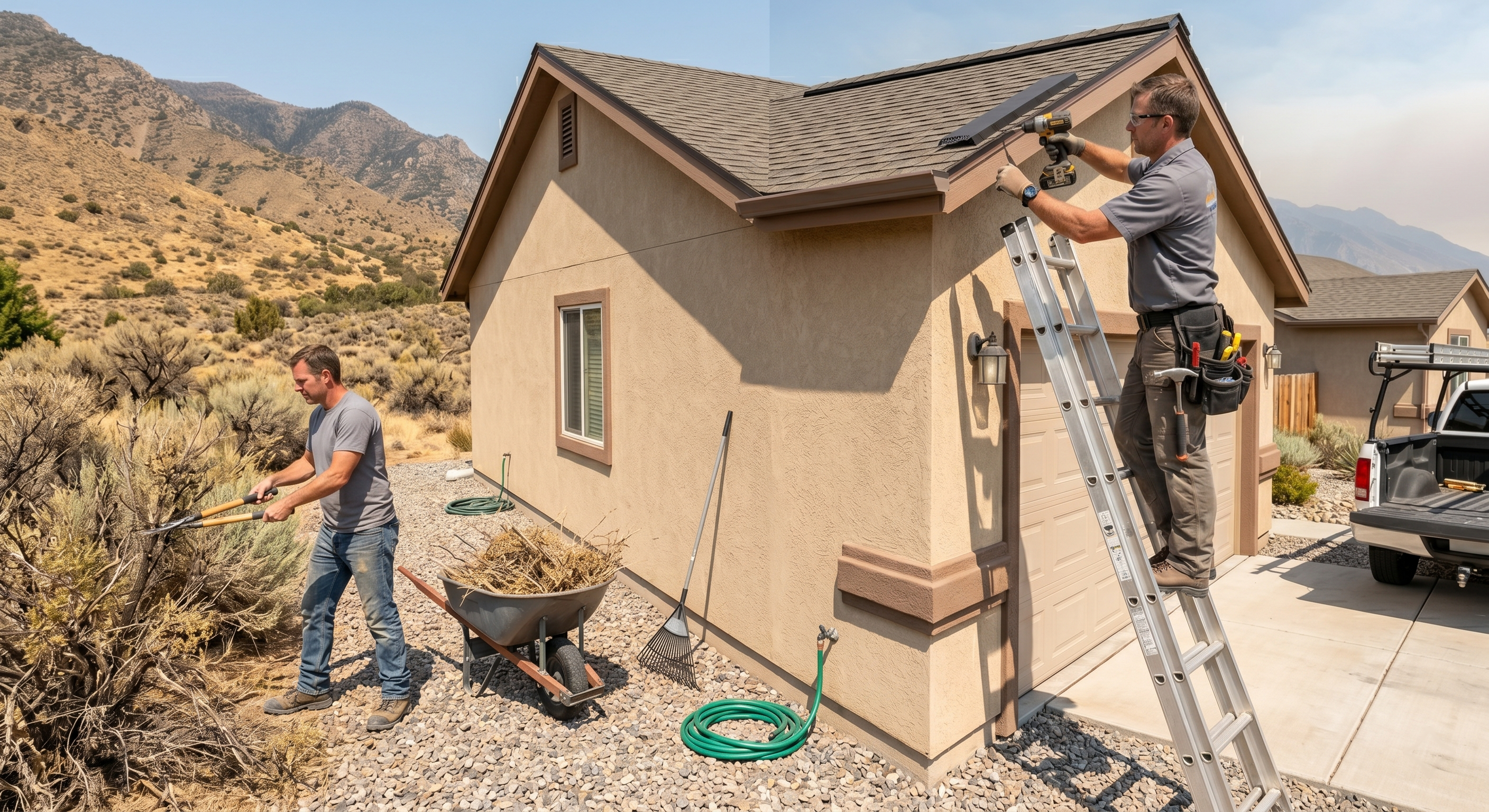
- Defensible space (Zones 1 and 2): Clearing brush, limbing up trees, removing dead vegetation, and mowing grasses are all homeowner territory that can save $2,500–$8,000 in contractor costs.
- Combustible material removal: Move firewood away from the house, remove wood patio furniture from Zone 0, and clear debris from gutters.
- Simple gutter cleaning: Keeping gutters clear of debris between contractor visits reduces ignition risk at no cost.
- Window and door sealing: Weather-stripping doors and sealing gaps around windows with intumescent sealant closes ember infiltration pathways.
- Under-deck screening: Blocking ember pathways under decks with 1/8-inch hardware cloth is a DIY-friendly weekend project.
What requires a contractor
- Vent replacement: Accessing vents properly, ensuring correct sizing, and verifying code compliance in WUI-designated areas requires a licensed contractor.
- Roofing: Class A rated roofing and any structural roof work requires a licensed roofing contractor — not DIY territory.
- Siding replacement: Fiber cement siding requires proper flashing, sealing, and fastening, plus permits that need licensed contractor sign-off in most states.
- Gutter guard installation: Ember-resistant gutter guards need to be properly seated and secured — poorly installed guards can create debris traps that increase ignition risk.
How to Hire a Wildfire Hardening Contractor
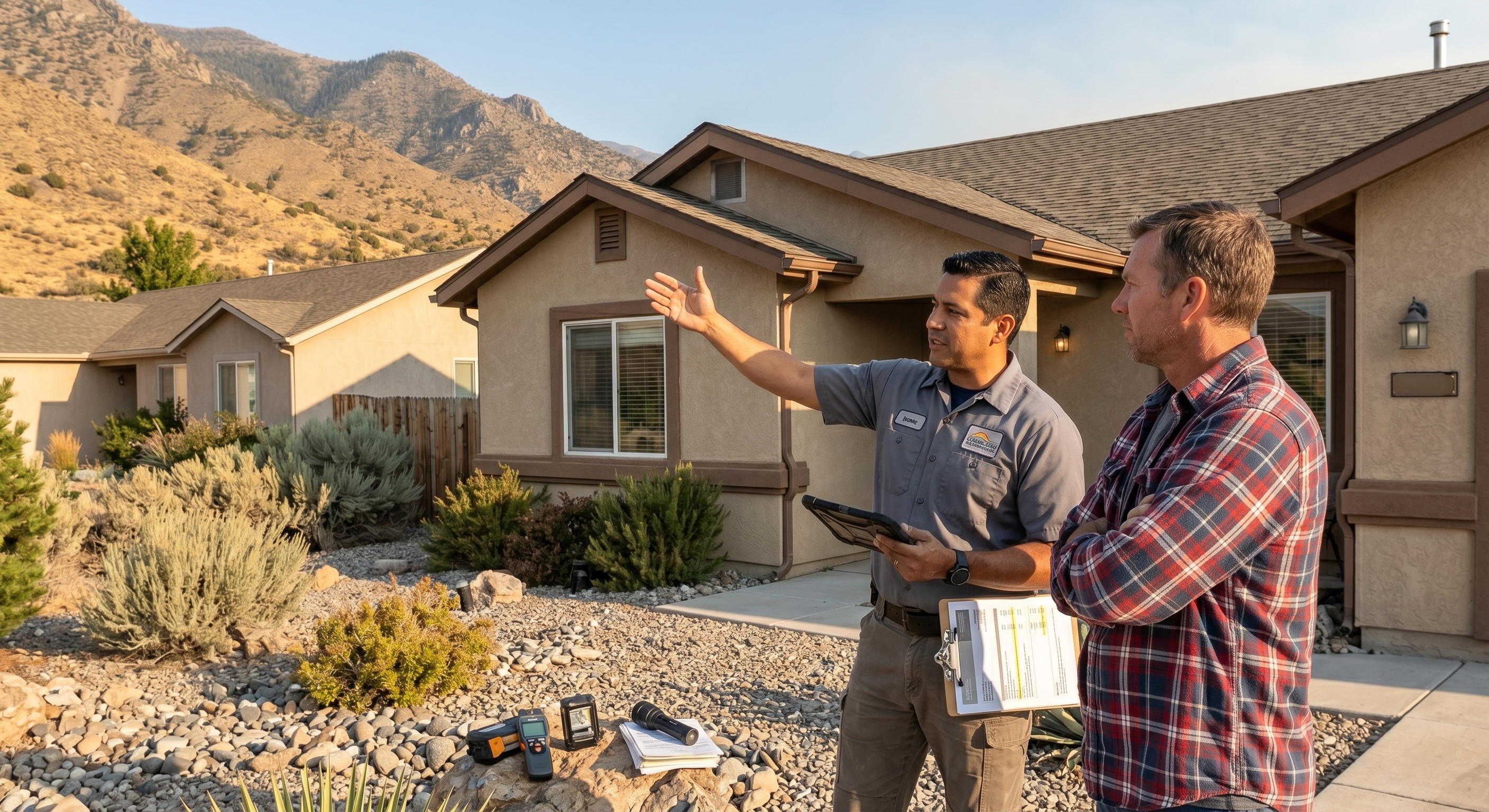
Wildfire hardening is a specialty niche that not every roofing or siding contractor understands at the same depth. Here's how to hire well.
Verify licensing — and understand what that means in your state
Colorado, Utah, Nevada, Arizona, New Mexico, and Idaho all have meaningful statewide contractor licensing requirements — always ask for a license number and verify it with your state's licensing board before signing anything. Montana and Wyoming do not have comprehensive statewide requirements, so check local business licensing, verify insurance certificates independently, and check references carefully. In Arizona, always verify the Arizona Registrar of Contractors (ROC) license number.
Ask about WUI experience specifically
General roofing or siding experience is not the same as WUI hardening experience. Ask directly: Have they worked in designated WUI or Fire Hazard Severity Zones? Are they familiar with your county's WUI overlay requirements? In Colorado, the DFPC maintains a list of approved wildfire mitigation contractors — start there if you're in the Front Range.
Get three bids and compare scope, not just price
Wildfire hardening bids can vary significantly in what's included — one contractor's "vent replacement" may mean ten vents; another's may mean forty. Make sure every bid specifies the number and location of vents being replaced, the specific product and its fire rating, and whether permit fees are included. Never compare total bid prices without first comparing scope line by line.
Check the permit process
If a contractor tells you permits aren't needed for significant roofing or siding work in an incorporated area, that's a red flag. Permits protect you — they trigger inspections that verify work meets code, which matters for both code compliance and insurance documentation.
Ask about seasonal scheduling
WUI contractors in Colorado, Utah, Idaho, and Nevada start filling spring schedules in February and March. If you want work done before fire season (July–September), book by March at the latest — ideally February. In Phoenix and Tucson, target October–April for any significant exterior work.
Grants, Rebates, and Insurance Savings
Mountain West homeowners have more financial support available than most of the country — but you have to know where to look.

State and local wildfire hardening grants
- Colorado — DFPC Wildfire Resilient Homes Grant: The Colorado Division of Fire Prevention and Control administers structure hardening grants funded by HB23-1273 and HB26-1310, covering ember-resistant vents, Class A roofing, fiber cement siding, and defensible space. A 2026 funding round is active — check dfpc.colorado.gov for current availability and income eligibility.
- New Mexico — Hermits Peak/Calf Canyon FEMA Recovery: Homeowners in Mora, San Miguel, and Colfax counties may be eligible for significant FEMA-funded rebuilding and hardening grants. Check NMRecovery.com for current program details and deadlines.
- USFS Community Wildfire Defense Grants (all states): The USFS CWDG program funds community-level wildfire mitigation across all Mountain West states. These grants go to communities and local governments, not directly to homeowners — but your local fire department or county emergency management office may be coordinating programs funded by these grants.
- FEMA Hazard Mitigation Grant Program (HMGP): Post-disaster declarations unlock FEMA HMGP funding for structure hardening. Multiple Mountain West states have accessed HMGP post-fire declarations — check with your state emergency management agency after any significant declared disaster.
Utility rebates
Several Mountain West utilities offer energy efficiency rebates that overlap with wildfire hardening upgrades — particularly Class A cool roofing and window upgrades. Programs include Rocky Mountain Power (UT/WY), Xcel Energy (CO), NV Energy (NV), APS and SRP (AZ), Idaho Power (ID), and PNM (NM). Use energystar.gov/rebate-finder with your zip code to find current offers. A Class A fire-rated roofing upgrade that also meets cool-roof criteria can legitimately claim both wildfire and energy efficiency benefits.
Insurance savings
In the Mountain West, proper wildfire hardening documentation is increasingly the difference between being insurable and losing coverage. Documented upgrades can reduce your premium by 5–20% depending on your insurer, state, and specific upgrades completed. The upgrades insurers most commonly credit are:
- Class A fire-rated roofing
- Ember-resistant vents (NFPA 1144 compliant)
- Defensible space documentation (photos, proof of clearing)
- Non-combustible siding materials
- Fire-resistant window and door upgrades
Before starting any project, call your homeowners insurance company and ask: (1) What wildfire hardening upgrades qualify for a premium discount? (2) What documentation do you need from the contractor? Get the answers in writing, then share them with your contractor before work begins.
Conclusion: Get It Done Before Fire Season
Wildfire home hardening isn't a luxury upgrade. In the Mountain West in 2026, it's a practical decision with real financial and safety consequences. The homes that survive wildfires in WUI communities are almost always the ones where someone made the decision to do the work — and did it before the smoke arrived.

The priority order is clear: ember-resistant vents first, then gutters and soffits, then roofing, then siding, then defensible space. Even a partial hardening package — vents, gutters, and Zone 0 treatment — provides meaningful protection at a cost most homeowners can manage.
The window to book quality contractors before fire season is February through April. Don't wait until June. If you need financial help, check your state's programs — Colorado's DFPC grants, New Mexico's FEMA recovery programs, and your utility's rebate finder are real money on the table for Mountain West homeowners who look for it.
Ready to get quotes from wildfire hardening contractors in your area? Use the form below to connect with licensed WUI contractors near you — we'll match you with contractors who have verified experience in your state's specific codes and conditions.
Find Trusted Pros Near You
Ready to start your project? Connect with vetted, top-rated contractors in your area.
Get Started

