
Pool & Spa Inspection, Repair & Replastering Guide

That rough, stained surface isn't just a cosmetic issue — it's telling you the plaster's time is up.
Pool & Spa Inspection, Repair, and Replastering in the Southeast: What It Really Costs
You walk out to the pool one morning and something's off. The water's cloudier than usual. The plaster feels like sandpaper under your feet. Or maybe there's a hairline crack running along the shallow end wall that wasn't there last summer. Down here in the Southeast — where pools get used hard, run hot, and sit in humidity year-round — that kind of wear adds up fast. The question isn't if your pool will need attention. It's when, and how much it's going to cost you.
This guide covers what Southeast homeowners actually pay for pool and spa inspections, common repairs, and full replastering jobs — state by state, city by city. We'll also tell you how to time the work so you're not paying peak-season rates, what licensing and permits look like across the region, and how Southeast pricing stacks up against the rest of the country.
Signs Your Southeast Pool Needs Attention

Crazing, staining, and rough texture are the three classic signs a plaster surface has reached the end of its service life.
Before we get to dollars, let's talk about what you're actually dealing with. Southeast pools take a beating that pools in cooler climates don't. Year-round UV exposure breaks down plaster chemistry. High humidity promotes algae growth that etches surfaces. And if your pool was built during Florida's or Georgia's suburban boom years — 1985 to 2005 — there's a decent chance it's either due for or overdue on a replaster.
Surface Warning Signs
- Rough plaster texture — If the bottom feels like coarse sandpaper, the plaster has eroded. This isn't cosmetic. Rough surfaces harbor algae, are harsh on skin, and tear up swimwear.
- Staining that won't clean off — Rust-brown, gray, or blue-green staining that survives acid washing usually means the plaster is done.
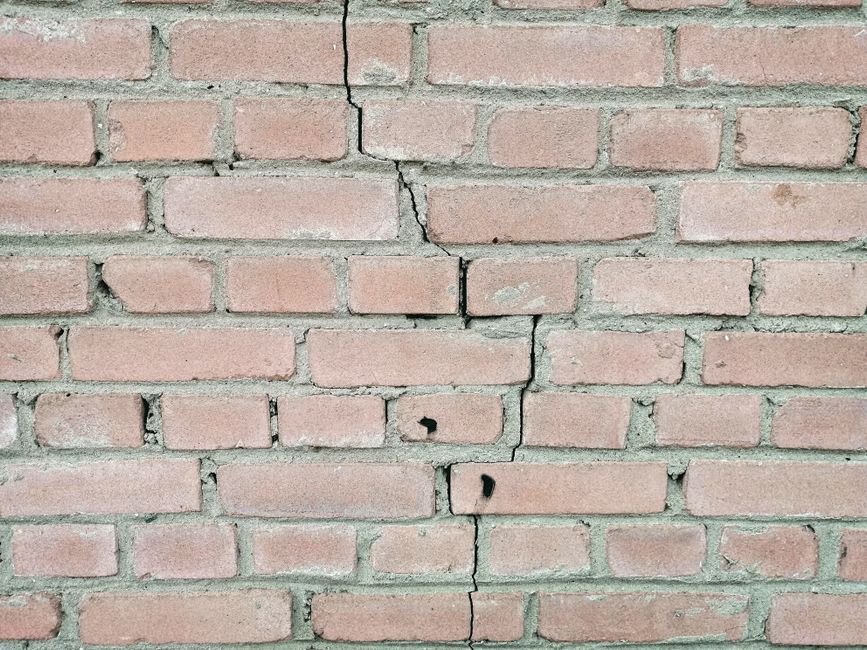
- Crazing or spider cracks — Fine surface cracks (crazing) are normal aging. Wide structural cracks that go deeper than the plaster layer need immediate evaluation.
- Plaster "popping" or delaminating — Sections of plaster lifting away from the shell is serious. Water gets behind it, freezes in northern states (not typical in SE), or migrates and causes bigger structural problems.
- Persistent water loss — Losing more than a quarter inch of water per day after accounting for evaporation points to a leak.
Equipment Warning Signs
- Pump running loud or cycling off unexpectedly
- Filter pressure spiking or dropping — often a clogged filter or a broken lateral
- Heater failing to hold temperature (especially relevant in the Southeast, where gas and heat pump heaters run hard in spring and fall)
- GFCI tripping repeatedly around poolside outlets or lighting
Any of these warrant a professional inspection before you start pricing repairs. Don't guess — get eyes on it.
How Much a Pool Inspection Costs in the Southeast

Equipment inspections cover pump, filter, heater, plumbing, and electrical — plan for a full equipment pad assessment every 1–2 years.
A pool inspection is the fastest $200–$400 you'll spend — and one of the smartest. It tells you exactly what you're dealing with before you write a bigger check. Inspectors assess the shell, equipment, plumbing, electrical systems, and safety compliance.
| Inspection Type | Cost Range | Notes |
|---|---|---|
| Standard pool inspection | $200–$500 | Full equipment + shell + electrical assessment |
| Pre-purchase inspection (buyer) | $150–$400 | Focused on condition and deferred maintenance |
| Leak detection | $100–$500 | Dye testing, pressure testing; $75–$125/hr if hourly |
| Spa / hot tub inspection | $75–$200 | Smaller scope; jets, heater, cover, shell |
What Inspectors Check
A thorough pool inspector works through six core areas:
- Shell and surface — cracks, delamination, plaster condition, tile line integrity
- Equipment pad — pump, filter, heater, valves, automation systems
- Electrical — bonding and grounding (NEC Article 680 compliance), GFCI protection at all outlets and lighting circuits
- Plumbing — return lines, skimmer lines, main drain lines (pressure tested if suspected leak)
- Safety compliance — barrier fencing, self-closing/latching gates, anti-entrapment drain covers (VGBA-compliant)
- Water chemistry evidence — staining patterns and scale deposits tell a story about how the pool has been maintained
If you're buying a home with a pool in Florida, Georgia, or the Carolinas, do not skip this step. Deferred pool maintenance is one of the most common surprises in Southeast home purchases — sellers routinely treat pools as background noise, not infrastructure.
Common Pool Repairs and What They Cost

Draining typically costs $180–$230 and must be timed carefully — a drained concrete pool sitting in summer heat can stress the shell.
Most pool repairs in the Southeast fall into a predictable set of categories. Here's what you can expect to pay for the most common ones, based on national data adjusted for Southeast labor markets (pool trade labor in the region typically runs $45–$65/hour).
| Repair | Cost Range | Notes |
|---|---|---|
| Leak detection | $100–$500 | Dye test or pressure test; price varies by method and pool size |
| Leak repair — minor (light, skimmer) | $50–$300 | Epoxy injection or fitting replacement |
| Leak repair — major (pipes, drain line) | $500–$1,500 | Requires excavation in some cases; major job |
| Structural crack repair (beam) | $75/linear ft; $4,000–$5,000 for large sections | Hydraulic cement + replaster over repair |
| Liner replacement (vinyl) | $1,125–$3,668 | Above-ground more affordable; inground higher end |
| Skimmer repair | $50–$300 | Often a weekend job with the right contractor |
| Drain repair | $400–$700 | VGBA-compliant drain cover upgrades included |
| Pump replacement | $700–$1,300 | Variable-speed upgrade adds $200–$400 but cuts energy costs |
| Filter replacement | $1,500–$2,000 | Cartridge vs. sand vs. DE affects price |
| Heater repair | $160–$730 | Gas vs. heat pump; heat pumps more common in Southeast |
| Pool light replacement | $20–$100 (bulb); $630 (full fixture) | LED upgrade often done at same time |
| Pool drain and refill | $180–$230 drain + $55/5,000 gallons refill | Required before replastering |

A qualified inspector can tell the difference between cosmetic crazing and a structural crack that needs immediate repair.
Electrical Safety: The One You Can't Skip
Pools and electricity are a serious combination. NEC Article 680 governs all electrical work around pools — bonding, grounding, GFCI protection, and minimum distance requirements for outlets and fixtures. In the Southeast's high-humidity environment, these aren't suggestions. If your inspector flags electrical issues, get them fixed before anything else. Licensed electrician, permitted work, inspected. Full stop.
Pool Replastering Costs: A Southeast State-by-State Breakdown
Replastering is the big-ticket item for most Southeast pool owners. The national average runs around $6,500 for a standard residential pool — but where you live in the Southeast moves that number significantly. Miami's labor market looks nothing like rural Mississippi's. Here's the real breakdown, state by state.

Fresh plaster goes on in sections — skilled crews work from the deep end forward to maintain consistent texture and cure time.
Florida
Florida is the pool capital of the United States. The contractor base is enormous — particularly along the Tampa-Orlando-Miami corridor — which keeps pricing competitive despite the state's above-average cost of living. Year-round pool use means year-round contractor activity, which is good for scheduling but means spring books up fast.
| Market | Tier | Replaster Range (avg pool) | Notes |
|---|---|---|---|
| Miami / Fort Lauderdale | T1 | $7,500–$10,500 | High COL; upscale finishes common; permit requirements add cost |
| Tampa / Orlando | T2 | $6,000–$8,500 | High contractor volume; competitive pricing; strong Energy Star adoption |
| Fort Myers / Gainesville / Pensacola | T3 | $5,500–$7,500 | Near national average; lower COL; solid contractor availability |
Licensing: Florida requires a C-53 Swimming Pool/Spa Contractor license — one of the more rigorous pool licensing regimes in the country. Always verify your contractor's license at the Florida DBPR before signing anything. Permits: Replastering alone generally doesn't require a permit in Florida, but any structural repair work or electrical modifications done at the same time do.
Georgia
Atlanta's suburban ring — Alpharetta, Cumming, Marietta, and the sprawl south toward Peachtree City — has some of the highest pool density in the state. Red clay soil and mature tree root systems mean underground plumbing issues are more common here than in Florida's sandier soils. Factor that in when budgeting repairs.
| Market | Tier | Replaster Range (avg pool) | Notes |
|---|---|---|---|
| Atlanta metro (Alpharetta, Marietta) | T1 | $6,500–$9,000 | Growth market premium; strong suburban demand; root intrusion adds to repair costs |
| Savannah / Augusta | T2/T3 | $5,800–$7,500 | Coastal humidity accelerates wear; smaller contractor pool than Atlanta |
| Macon / Columbus | T3 | $5,500–$7,000 | Near national average; fewer competing contractors than metro |
Licensing: Georgia requires pool contractors to hold a license through the Georgia Contractor Licensing Board. Permits: Georgia follows the International Swimming Pool and Spa Code (ISPSC); permits are required for structural repairs and electrical modifications. Cosmetic replastering is generally permit-exempt.
North Carolina
The Charlotte and Raleigh-Durham Research Triangle corridor is booming, and so is the pool market. Newer housing stock in these suburbs means pools tend to be in better structural shape — but 10–15-year-old gunite pools in established neighborhoods are hitting replaster time right now.
| Market | Tier | Replaster Range (avg pool) | Notes |
|---|---|---|---|
| Charlotte | T1 | $6,200–$8,500 | Strong demand; competitive contractor market; suburban growth driving new pool installs and replasters |
| Raleigh / Durham | T2 | $6,000–$8,000 | Tech-driven COL increases; strong contractor availability; active market |
| Wilmington / Fayetteville / Asheville | T3 | $5,500–$7,000 | Coastal Wilmington has beach-home pool density; Asheville has mountain premium for travel |
Licensing: North Carolina requires a Swimming Pool Contractor license through the NC Licensing Board for General Contractors. Permits: Most NC municipalities require permits for structural and electrical pool work under ISPSC and local amendments.
South Carolina
Coastal South Carolina — Charleston, Hilton Head, Myrtle Beach — has a high concentration of vacation and second-home pools, meaning seasonal demand spikes in spring are pronounced. Inland markets are more moderate. Expect shorter contractor availability windows in coastal areas during peak season.
| Market | Tier | Replaster Range (avg pool) | Notes |
|---|---|---|---|
| Charleston / Myrtle Beach / Hilton Head | T1/T2 | $6,000–$8,000 | Coastal salt air accelerates equipment corrosion; high vacation-home density |
| Greenville / Spartanburg | T2 | $5,500–$7,000 | Growing inland market; competitive pricing; manufacturing-sector economy keeps COL moderate |
| Columbia | T3 | $5,200–$6,800 | State capital; moderate market; near national average |
Licensing: South Carolina requires pool contractor registration through the SC Contractor's Licensing Board. Note for coastal SC: Salt air and salt water pools accelerate corrosion on equipment and pool fittings — budget for more frequent equipment inspections than inland properties.
Tennessee
Nashville's explosive growth has made it one of the hottest residential construction markets in the Southeast. The suburbs of Brentwood and Franklin have high pool penetration in newer custom homes. Knoxville and Chattanooga have older housing stock with different needs — more structural assessments, more equipment updates on aging systems.
| Market | Tier | Replaster Range (avg pool) | Notes |
|---|---|---|---|
| Nashville / Brentwood / Franklin | T1 | $6,000–$8,500 | Hot growth market; demand-driven premium in spring; newer pools skew toward premium finishes |
| Knoxville | T2 | $5,500–$7,000 | Older housing; more structural work common; moderate COL |
| Memphis / Chattanooga | T3 | $5,200–$6,800 | Near national average; reasonable contractor availability |
Licensing: Tennessee does not have a statewide pool-specific license. Most contractors operate under a general contractor license — verify with your local municipality. Nashville and Memphis require permits for structural and electrical pool work.

Pool replastering costs vary by $3,000–$5,000 or more across the Southeast — metro Florida and Georgia markets sit at the high end, while Mississippi and rural Arkansas offer below-national-average pricing.
Alabama
Alabama's pool market is concentrated in Birmingham and the fast-growing Huntsville metro (home to aerospace and defense expansion). Mobile has coastal proximity. Rural Alabama has real contractor scarcity — plan ahead and expect travel surcharges from contractors coming from Birmingham or Montgomery.
| Market | Tier | Replaster Range (avg pool) | Notes |
|---|---|---|---|
| Birmingham | T1 | $5,500–$7,500 | Primary hub; good contractor availability; moderate COL |
| Huntsville | T2 | $5,200–$7,000 | Tech-sector growth driving new installs; rising demand for quality finishes |
| Mobile / Montgomery | T3 | $4,800–$6,500 | Below national average; fewer competing contractors |
Licensing: Alabama Home Builders Licensure Board covers pool contractors. Rural note: Contractors servicing rural north and south Alabama often add $50–$150 in travel charges to jobs outside metro areas.
Mississippi & Arkansas
These are smaller pool markets with fewer specialty contractors. That means two things: pricing tends to be below the regional average, and wait times can be longer — especially in rural areas. If you're in rural Mississippi or Arkansas and need a replaster, start making calls six to eight weeks out, not six to eight days.
| Market | State | Replaster Range (avg pool) | Notes |
|---|---|---|---|
| Jackson | Mississippi | $4,800–$6,500 | Primary market; competitive for the region; rural travel surcharges apply outside metro |
| Biloxi / Hattiesburg | Mississippi | $4,500–$6,000 | Gulf Coast proximity; smaller market; fewer contractors |
| Little Rock | Arkansas | $5,000–$6,800 | Moderate-sized market; reasonable availability |
| Fayetteville / Bentonville | Arkansas | $4,800–$6,500 | Growing market; Walmart HQ area brings above-average income and pool investment |
Kentucky
Kentucky is the northern edge of the Southeast for pool purposes. Louisville and Lexington have solid pool markets, but the season is shorter here than deep in Florida or Georgia — roughly May through September. That means a tighter scheduling window and more competition for contractor time in spring.
| Market | Tier | Replaster Range (avg pool) | Notes |
|---|---|---|---|
| Louisville | T1 | $5,500–$7,500 | Largest market; good contractor availability; near national average |
| Lexington | T2 | $5,200–$7,000 | Horse country wealth supports quality finish upgrades; moderate market |
| Bowling Green / Owensboro | T3 | $4,800–$6,500 | Below regional average; fewer specialty contractors; book early |
Licensing: Kentucky Department of Housing, Buildings, and Construction covers pool contractors. Louisville Metro requires permits for structural pool work.
How the Southeast Compares Nationally
| Region | Typical Replaster Range | vs. National Avg ($6,500) | Key Driver |
|---|---|---|---|
| Pacific Coast (LA, SF, Seattle) | $9,000–$16,000 | 40–100% above | Union labor, extreme COL, permit complexity |
| Northeast (NYC, Boston) | $8,500–$14,000 | 30–60% above | Union density, short season, high COL |
| Southeast — FL/GA/NC metros | $6,000–$10,500 | At to slightly above | High contractor density; year-round market |
| Mountain West (Phoenix, Denver) | $6,000–$9,500 | Near average | Growth markets; competitive but demand-driven |
| South/Gulf Coast (Houston, Dallas) | $5,500–$8,500 | Near average | Large contractor base; competitive Texas market |
| Southeast — AL/MS/AR/KY | $4,800–$7,500 | Below average | Lower COL; fewer contractors in smaller markets |
| Midwest (Chicago, Detroit, Indy) | $5,500–$8,000 | Near average | Shorter seasons; freeze-thaw adds structural repair costs |
The Southeast's competitive advantage is real. You're not paying New York or California prices, and you've got a deep pool of licensed contractors — especially in Florida and the major metro areas of Georgia and the Carolinas. The places where you'll feel contractor scarcity are rural Mississippi, Arkansas, and parts of rural Alabama and Kentucky. Plan ahead in those markets.
Replastering: Materials, Process, and What You're Actually Paying For

Fresh plaster goes on in sections — skilled crews work from the deep end forward to maintain consistent texture and cure time.
Not all replastering is the same job. The material you choose affects how long the surface lasts, how it looks, and how much it costs. Here's the practical breakdown:
| Material | Cost per 1,000 sq ft | Lifespan | Best For |
|---|---|---|---|
| Epoxy paint | $1,500 | 2–7 years | Short-term budget fix; older above-ground pools |
| White plaster | $5,500 | 7–10 years | Standard gunite pools; traditional look; most common in Southeast |
| Quartz aggregate | $6,500 | 10–15 years | Durability upgrade; color options; popular in FL and GA |
| Pebble aggregate (PebbleTec, DiamondBrite) | $8,000–$12,000 | 15–20 years | Premium finish; natural look; longest lifespan; common in high-end Southeast markets |
| Tile (full) | Up to $30,000 | 20+ years | Commercial, luxury, or historic restoration applications |
The Replastering Process, Step by Step
- Drain the pool — $180–$230. Can't skip it. Schedule this carefully in Florida and Georgia's hot months — a drained concrete shell sitting in August heat can hydrate-stress. Fall and early winter are better.
- Remove old plaster — Chipped or sandblasted off by the crew. Messy, dusty work. Keep pets and kids away.
- Inspect and repair the shell — Any structural cracks get hydraulic cement before the new surface goes on. This is where scope can expand and costs rise.
- Apply bond coat — A bonding layer goes on the concrete shell before the new plaster.
- Apply new plaster — One or two coats, troweled smooth. Pebble finishes get additional steps.
- Fill and cure — Refill costs $55 per 5,000 gallons. The first 28 days matter — chemistry management during startup determines how long the plaster lasts.
Total time from drain to swim-ready: typically 5–10 days for standard plaster in Southeast conditions.
When to Schedule — and When Not To

Fall is the sweet spot for replastering across most of the Southeast — cooler temps, better cure conditions, and contractor availability that doesn't require three weeks of lead time.
Timing your replaster or major repair is one of the easiest ways to save money and headaches in the Southeast.
| Season | Demand | Scheduling | Pricing |
|---|---|---|---|
| Spring (Mar–May) | Peak | Book 3–4 weeks out minimum | Peak; may carry 5–10% premium |
| Summer (Jun–Aug) | High | Difficult to schedule replastering (pools in use) | High; quick repairs prioritized |
| Fall (Sep–Nov) | Moderate | Best window for replastering | Better rates; flexible scheduling |
| Winter (Dec–Feb) | Low | Easiest scheduling; good cure temps | Best pricing leverage of the year |
Plaster cures best in temperatures between 65–85°F. That's a wider window in the Southeast than anywhere else in the country — you've got comfortable curing conditions from October through April in most of the region, and year-round in South Florida. Use that advantage. The homeowner who calls in November gets better pricing and a more attentive crew than the one who calls in April.
A proper replaster job adds 10–15 years to a concrete pool's life — and it's immediately obvious in the water clarity.
Permits and Licensing: What You Need to Know in the Southeast

Always verify your contractor's license number on your state licensing board's website before any work begins — it takes two minutes and protects you from a lot of headaches.
Pool work permit requirements vary by state and municipality, but the basic pattern across the Southeast is consistent:
- Permits usually required for: structural crack repair, electrical modifications (bonding, grounding, GFCI upgrades), new equipment installations, plumbing repairs
- Permits usually NOT required for: cosmetic replastering, chemical services, minor equipment maintenance
- Always required everywhere: a licensed contractor for any structural or electrical work
Florida's C-53 license is the most specific in the region — only C-53 licensed contractors can legally perform pool construction, repair, and major resurfacing in Florida. In Tennessee and some other states, pools fall under general contractor licensing. When in doubt, ask your contractor for their license number and verify it on the state licensing board's website before any work begins.
The Bottom Line: What Southeast Pool Owners Should Budget

Get three quotes, schedule in fall or winter, and don't skip the inspection — those three moves alone can save you thousands.
Here's a straight summary for planning purposes:
| Service | Budget (entry) | Budget (mid-range) | Budget (premium) |
|---|---|---|---|
| Annual inspection | $150 | $300 | $500 |
| Leak detection | $100 | $300 | $500 |
| Equipment repair (pump/filter/heater) | $200 | $700 | $2,000 |
| Structural crack repair | $500 | $2,000 | $5,000+ |
| Full replaster — white plaster | $5,000 | $6,500 | $9,000 |
| Full replaster — quartz/pebble finish | $6,500 | $9,000 | $12,000+ |
If you're in a T1 Florida or Georgia metro market and opting for a premium pebble finish, budget north of $10,000. If you're in a T3 Alabama or Mississippi market going with standard white plaster, you can come in well under $6,000. The range is real — and the biggest swing factor, beyond material choice, is timing. Schedule in fall or winter and get three quotes. That combination will do more to control your final price than anything else.
Southeast pools are an investment worth protecting. A $400 inspection today can keep a $5,000 repair from becoming a $15,000 structural job three years from now. Treat it like the infrastructure it is.
Find Trusted Pros Near You
Ready to start your project? Connect with vetted, top-rated contractors in your area.
Get Started