
Retaining Wall Repair & Rebuilding - Midwest 2026
Retaining Wall Repair & Rebuilding in the Midwest: What It Costs and What to Expect in 2026
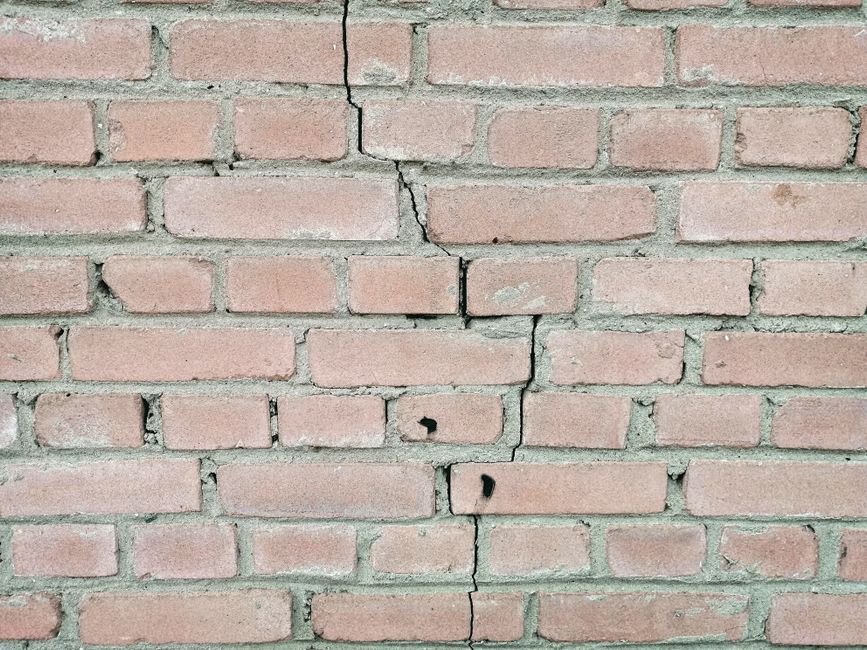
Every spring, homeowners across the Great Lakes region walk out back and see the same thing: a retaining wall that didn't survive winter in one piece. Maybe it's leaning a little. Maybe a few blocks have shifted. Maybe there's a section that's clearly pulling away from the rest of it. Welcome to the Midwest - where freeze-thaw cycles do more damage to retaining walls in a single winter than a decade's worth of rain does in drier climates.
The good news: a lot of retaining wall problems are fixable without a full tear-down. The bad news: ignoring them almost always turns a $1,000 repair into a $6,000 rebuild. This guide covers how to read what your wall is telling you, what repairs and full rebuilds actually cost across Ohio, Michigan, Wisconsin, and Illinois in 2026, and where the DIY line really is.
How to Tell If Your Retaining Wall Actually Needs Work

Not every crack is an emergency. But the Midwest's clay soils and brutal freeze-thaw cycles mean small problems escalate faster here than anywhere else in the country. Here's what to look for every spring:
- Leaning or tilting: Any visible tilt away from the hillside is a red flag. Soil pressure has already started winning. Once a wall leans, it rarely self-corrects.
- Cracks or bulges: Hairline cracks in mortar are normal aging. Wide cracks, bulging faces, or blocks that have shifted outward are structural warnings.
- Separation between blocks or courses: Gap forming between sections? That's freeze-thaw stress or foundation movement - neither one stops on its own.
- Water seeping through the wall: Weep holes clogged, water pooling behind the wall, soil washing out at the base - this is the #1 trigger for wall failure in Cleveland, Detroit, and Milwaukee. Drainage failure, not age, is what kills most Midwest walls.
- Visible displacement or rocking: If you can push a block and it moves, the wall's structural integrity is gone. Full rebuild territory.
Quick rule of thumb: One or two shifted blocks with no other symptoms = repair. Leaning, widespread cracking, or water damage throughout = get a structural assessment before you do anything else.
Retaining Wall Repair Costs: What Each Problem Actually Costs to Fix

Before you assume you need a full rebuild, know what repairs cost at each damage level. Most Midwest contractors price retaining wall work by scope, not by the hour - and the scope jump from "repair" to "rebuild" is steep.
| Condition | Likely Repair | Estimated Cost |
|---|---|---|
| Small cracks in mortar, no movement | Repointing / tuckpointing | $300-$800 |
| Weep holes blocked, minor seepage | Drainage clearing + regrading | $400-$1,200 |
| One or two shifted/heaved blocks | Re-leveling + gravel correction | $500-$1,500 |
| Multiple shifted courses, early lean | Partial rebuild + drainage upgrade | $1,500-$4,000 |
| Structural reinforcement needed (tiebacks, anchors) | Deadmen or helical anchor installation | $2,000-$5,000 |
| Wall leaning 2+ inches, widespread cracking | Full rebuild | $5,000-$12,000+ |
| Rotting timber / railroad tie wall | Full rebuild (concrete block recommended) | $4,500-$10,000 |
The national average for a full retaining wall rebuild runs around $6,000-$6,100 according to Angi data cited by This Old House and Bob Vila - with a typical range of $3,199-$9,196 for a standard residential wall. Midwest pricing tends to run at or above that average once you factor in frost-line excavation and the clay soil conditions common across the region.
A note on timber walls: If your wall was built before 1995 using railroad ties or pressure-treated timbers, don't spend money on repairs. These walls have a 20-40 year lifespan, and many across Cleveland's east suburbs, Detroit's older neighborhoods, and Milwaukee's older stock are already past it. The cost to repair a rotting timber wall for a few more years almost always exceeds the cost savings over just rebuilding with interlocking concrete block now.
What This Costs in the Midwest
Urban vs. Suburban vs. Rural

Where you live in the Midwest has a significant impact on what you'll pay. Here's how pricing breaks down across the region for a full rebuild on a standard 20-30 linear foot residential wall:
| Markets | Typical Full Rebuild Range | Notes |
|---|---|---|
| Chicago (city), Detroit (city) | $7,500-$12,000+ | Union labor density, higher permit costs, older housing stock adds drainage complexity |
| Cleveland, Milwaukee, Minneapolis | $6,000-$10,000 | Above national average; freeze-thaw complexity and union influence in Cleveland/Milwaukee add scope |
| Columbus, Grand Rapids | $5,000-$8,500 | Near national average; competitive open-shop markets, lower permit costs |
| Naperville, Dublin OH, Livonia MI, Dearborn | $5,500-$9,000 | Suburban demand from established landscaped lots; specialty contractors price by project complexity |
| Rural Indiana, rural Ohio, rural Michigan | $4,500-$7,500 | Lower hourly rates but fewer specialty contractors; longer lead times |
Naperville vs. Chicago proper: Naperville homeowners often pay similar to - and sometimes more than - their Chicago counterparts, despite lower hourly labor rates. Why? Suburban lots tend to have larger, more complex walls: longer runs, terraced multi-tier designs, and drainage systems tied to bigger properties. The scope drives the price up even when the labor rate is lower. Don't assume suburban automatically means cheaper.
Rural note: Outside the metro ring in Indiana, Ohio, and Michigan, plan for 4-8 week lead times for a qualified retaining wall contractor. Some rural homeowners end up being serviced by general landscapers who lack specific freeze-thaw expertise - worth asking directly about frost-line depth and drainage systems before signing anything.
Local Factors That Affect Your Quote
These aren't generic line items - they're the things a local contractor in Cleveland or Milwaukee knows that a national pricing calculator won't show you.
Frost depth - the Midwest's #1 retaining wall variable. Retaining walls must be footed below the frost line to prevent heaving. That depth varies significantly across the region:
- Southern Ohio / Southern Indiana: ~30 inches
- Central Indiana, Columbus area: 30-36 inches
- Northern Ohio (Cleveland): ~36 inches
- Michigan / Wisconsin: 42–60 inches depending on latitude (Wisconsin state code mandates a minimum of 48 inches)
- Northern Wisconsin / Upper Michigan: up to 60 inches or more
A rebuild in Milwaukee or Grand Rapids requires significantly deeper excavation than the same job in Columbus - that adds $400-$900 in excavation cost alone. Any contractor who doesn't bring up frost line when quoting your job should be asked about it directly.
Clay soil - the Great Lakes gift that keeps on giving. Heavy glacial clay dominates most of the Midwest - Indianapolis, Cleveland, Detroit, and Chicago's suburbs all sit on it. Clay holds water instead of draining it, which builds hydrostatic pressure behind walls. It also expands when frozen and contracts when thawed, which stresses block joints with every freeze cycle. Any rebuild in this region should spec crushed stone backfill (not native clay) behind the wall, plus perforated drain pipe. A quote that doesn't include this is incomplete - and a wall built without it is already counting down.
Lake-effect moisture (Cleveland, Detroit, Milwaukee). Cities near the Great Lakes average 32–43 inches of annual precipitation (Cleveland on the high end at 39–43 inches; Milwaukee and Detroit averaging 32–35 inches), with significant winter moisture cycling on top of that. This isn't just more rain - it's repeated wet/freeze/thaw events through November, February, and March. Drainage behind walls isn't optional here; it's what determines whether a wall lasts 10 years or 40. If you're in Cleveland's east suburbs or anywhere in the Milwaukee metro, build the drainage system right the first time.
Legacy wall complexity in Cleveland and Detroit. Older neighborhoods in both cities - and their inner-ring suburbs - are full of timber walls from the 1970s and '80s and dry-stacked fieldstone from pre-1960 construction. Many were never footed below frost line under old code. Contractors in these markets typically build contingency into their quotes for what they'll find during demo: old materials, improper backfill, drainage that's been failing underground for years. Don't be surprised if a $6,000 estimate in Cleveland becomes $7,500 once the old wall comes out.
DIY vs. Hiring a Pro: Where the Line Actually Is
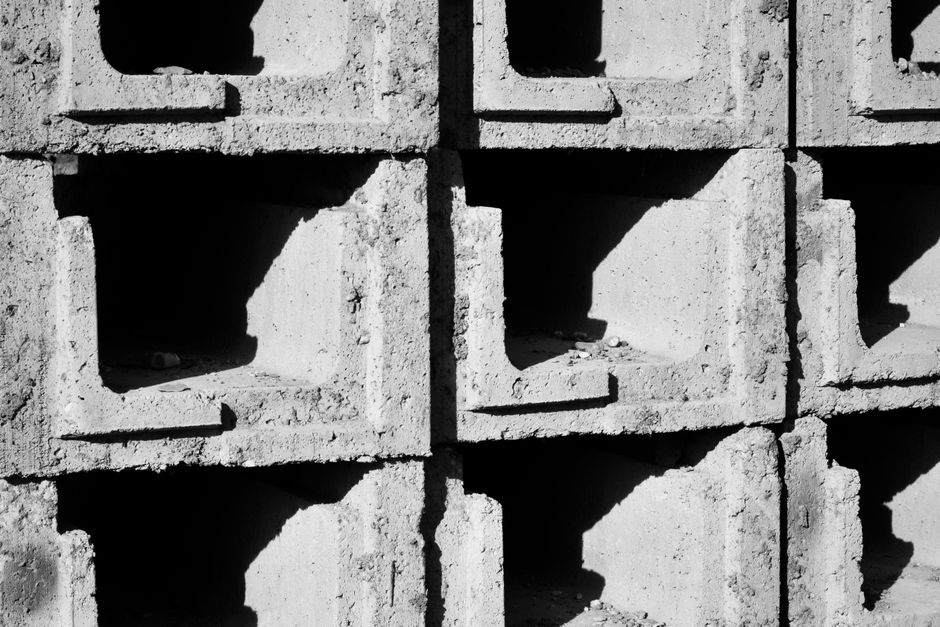
The four-foot rule is your dividing line. Most Midwest jurisdictions require a building permit - and often engineering review - for any retaining wall over four feet tall. Below that threshold, there's real DIY potential. Above it, you're in territory where a structural failure can damage your foundation, your neighbor's property, or a person standing nearby.
DIY is reasonable when:
- The wall is under 3-4 feet tall (check your municipality)
- You're using interlocking concrete blocks - no mortar, straightforward installation
- The problem is drainage: adding perforated pipe and gravel backfill is a solid DIY project
- You're repairing a small section (under 10 linear feet with no structural concerns)
DIY labor savings on a retaining wall project run $15-$50 per square foot versus hiring out - real money on a wall that's 20-30 feet long. If you're comfortable with a shovel, a tamper, and a level, a sub-4-foot concrete block wall is genuinely manageable.
Hire a pro when:
- The wall is 4 feet or taller (permits and engineering are typically required)
- The wall is visibly leaning, bulging, or has shifted more than an inch or two
- The wall is holding back soil above a structure - house, garage, driveway
- Excavation will require equipment (skid steer, excavator)
- Materials are poured concrete or mortared masonry
- Your neighbor's property is downhill from the wall
Permit reality by market: Columbus and its suburbs (Dublin, Westerville) have relatively streamlined permit processes for residential walls. Chicago requires a building permit plus zoning review, with fees typically $150-$500+ and union labor often required on permitted work. Milwaukee and Cleveland-area municipalities vary - some Cuyahoga County jurisdictions require a licensed contractor for anything permitted. Indiana generally follows the 4-foot rule with variable enforcement outside Marion County. Know your local rules before you start digging.
Why Midwest Walls Fail Faster: The Freeze-Thaw Problem

This is worth understanding if you're going to spend money fixing or rebuilding a wall - because if you don't fix the underlying cause, you'll be back in the same spot in five years.
The Great Lakes region experiences 30-80+ freeze-thaw cycles per winter depending on location and year. Every time the ground freezes, moisture in the soil behind your wall expands. Every time it thaws, that pressure releases. That repeated expansion and contraction is what causes:
- Block joints to crack and separate
- Walls to gradually tilt outward as soil pressure builds
- Footings to heave if they weren't set below frost line
- Drainage systems to fail as frost cracks pipes or heaves gravel beds
The fix isn't just replacing blocks - it's building drainage that removes water from behind the wall before it has a chance to freeze. That means: landscape fabric lining the back of the wall, crushed stone backfill (minimum 12 inches), and a perforated drain pipe at the base of the wall directed away from the structure. This is non-negotiable in Ohio, Michigan, Wisconsin, and northern Illinois. Any contractor skipping this step is building you a temporary wall.
Spring is the right time to act. After winter, the freeze-thaw damage is visible, contractors are pricing new work, and you have time to get competitive quotes before summer's busy season drives up wait times across the region.
Frequently Asked Questions

- How long does a retaining wall repair or rebuild take?
- Minor repairs (drainage clearing, repointing, resetting a few blocks) typically take one day or less. A full rebuild of a standard 20-30 foot residential wall usually runs 1-3 days for an experienced crew, assuming no major surprises during excavation.
- Do I need a permit to repair a retaining wall in Ohio, Indiana, Michigan, or Wisconsin?
- For minor repairs - repointing, resetting blocks, clearing drainage - typically no. For any structural work or a full rebuild on a wall over 4 feet, a permit is almost always required. Check with your local building department before starting; permit requirements vary by municipality even within the same county.
- My retaining wall is railroad ties from the 1980s. Should I repair or replace it?
- Replace it. Timber walls have a 20-40 year lifespan, and a 40-year-old tie wall is living on borrowed time. Repair costs rarely justify the outcome - you're putting money into material that's already at structural end-of-life. Interlocking concrete block is the standard replacement choice: DIY-friendly, durable in freeze-thaw conditions, and properly drained it will last 40-50+ years.
- Can I just push a leaning wall back into place?
- No. A leaning wall has either shifted footings or drainage failure behind it - usually both. Pushing it back without addressing the cause means it leans again within a season. A leaning wall needs to come down, the drainage problem needs to be corrected, and the wall rebuilt from a properly set base.
- What's the most important thing I can add to a rebuilt wall to prevent future problems?
- Drainage. Specifically: landscape fabric lining the back and base, crushed stone backfill (not native clay), and a perforated drain pipe at the base of the wall daylighting to a safe discharge point. In Cleveland, Milwaukee, or anywhere near the Great Lakes, this isn't optional - it's the difference between a wall that lasts 10 years and one that lasts 40.
- How many quotes should I get for a retaining wall rebuild?
- At least three. Labor pricing in the Midwest varies significantly - the same job in Naperville might run $2,000-$3,000 more than an identical job in Columbus, not because one contractor is better, but because of union structure and local demand. Get quotes from contractors who specifically mention frost line depth and drainage as part of their scope - that's a sign they know what they're doing in this climate.

Ready to Get Your Wall Fixed? Here's Your Next Step.
A failing retaining wall isn't a problem that gets cheaper by waiting. The freeze-thaw damage that moved a few blocks this winter will move more next winter - and the repair that costs $1,500 today has a way of becoming a $7,000 rebuild by the time you get around to it.
The good news: most Midwest homeowners have more options than they realize. Minor drainage fixes are genuinely DIY-friendly. Small section repairs are affordable. And even a full rebuild - done right, with proper drainage and footings set below frost line - is an investment that protects your foundation, your yard, and your property value for decades.
Whether you're in Cleveland's older suburbs dealing with a 1970s timber wall, a Milwaukee homeowner watching water pool behind cracked blocks every spring, or a Columbus-area homeowner getting ready to sell and not wanting a failing wall flagged on the inspection report - the right time to act is spring, before summer scheduling backlogs hit and before another winter makes the problem worse.
Get matched with vetted retaining wall contractors in your area - compare quotes, check credentials, and get the job done right the first time.
Find Trusted Pros Near You
Ready to start your project? Connect with vetted, top-rated contractors in your area.
Get Started

