
Basement Waterproofing Before Spring: A Midwest Homeowner's Guide for Indianapolis & Chicago
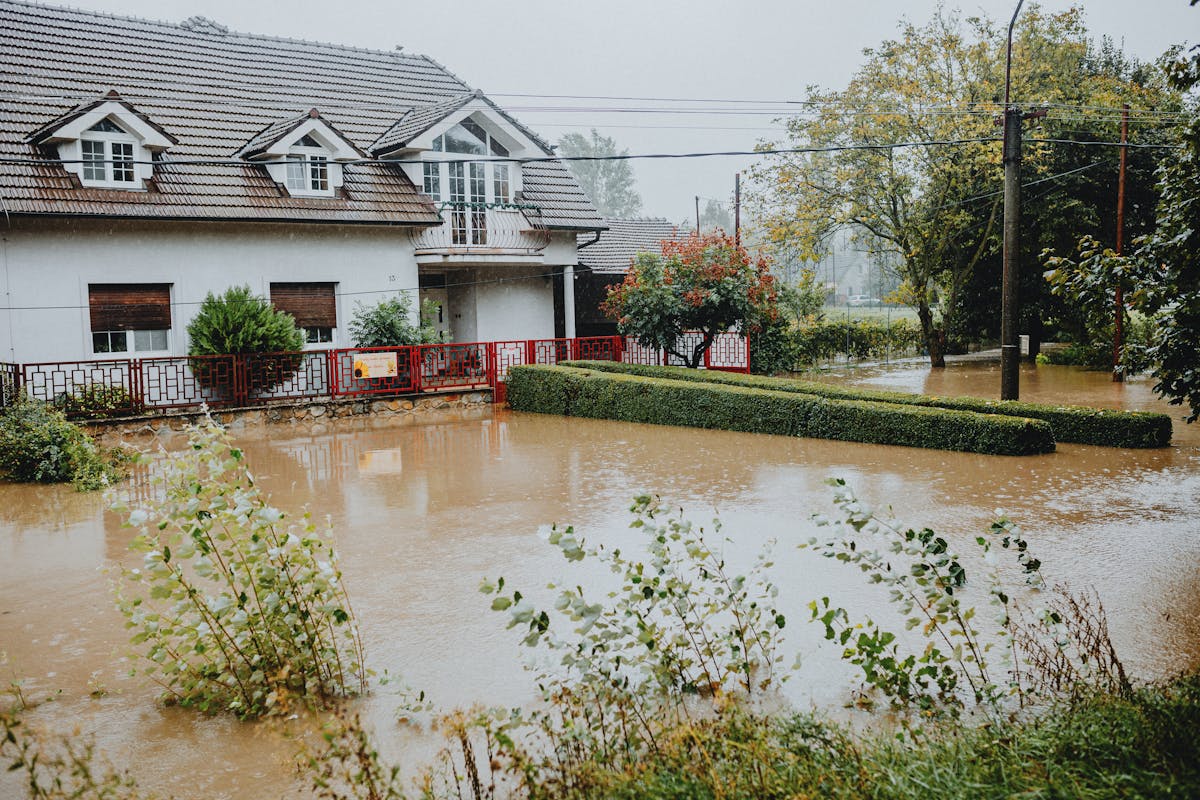
A home during a heavy rainstorm. All that water running off the roof and pooling near the foundation is exactly what causes basement flooding — especially during spring snowmelt in the Midwest.
Basement Waterproofing Before Spring: A Midwest Homeowner's Guide for Indianapolis & Chicago
If you own a home in Indianapolis, Chicago, or anywhere across the Midwest, you already know the drill: harsh winters followed by rapid spring thaws. What you might not realize is that late winter — right now — is the most critical time to waterproof your basement.
Every year, thousands of Midwest homeowners wake up to a flooded basement in March or April. The culprit? Snowmelt, saturated soil, and foundations that weren't prepared for the deluge. The good news: you still have time to act.
Why Late Winter Is the Perfect Time to Waterproof
The Midwest freeze-thaw cycle is brutal on foundations. Here's what's happening to your home right now:
- Freeze-thaw expansion: Water seeps into tiny foundation cracks during fall rains. When temperatures drop, that water freezes and expands — widening the cracks. This cycle repeats dozens of times each winter.
- Soil saturation: As snow accumulates, the ground around your foundation becomes increasingly saturated. When spring temperatures arrive, all that moisture needs somewhere to go — and your basement is the path of least resistance.
- Hydrostatic pressure: Saturated soil creates immense pressure against your basement walls. Even hairline cracks become entry points for water under this pressure.
- Frozen discharge lines: Sump pump discharge lines can freeze in winter, leaving your primary defense against flooding inoperable right when you need it most.
Acting in February or early March gives you a buffer before the worst of the spring melt hits — typically late March through mid-April in Indianapolis and Chicago.
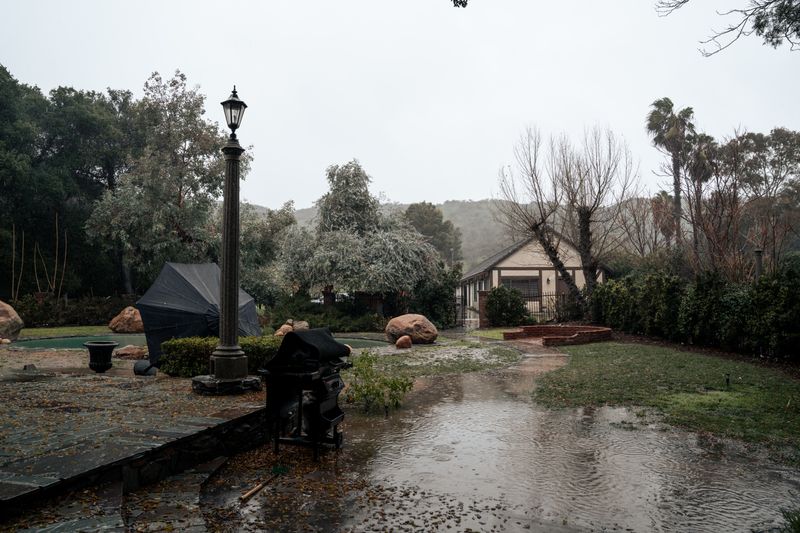
Standing water in your yard is a red flag. If water pools near your foundation instead of draining away, your basement is at risk. The ground should slope away from the house at least 1 inch per foot for the first 6 feet.
5 Warning Signs Your Basement Needs Waterproofing
Don't wait for standing water. These early warning signs mean your basement is vulnerable:
1. White, Chalky Deposits on Walls (Efflorescence)
Those white streaks on your concrete or block walls aren't just cosmetic. Efflorescence means water is migrating through your walls, leaving mineral deposits behind. It's your foundation telling you moisture is coming through.

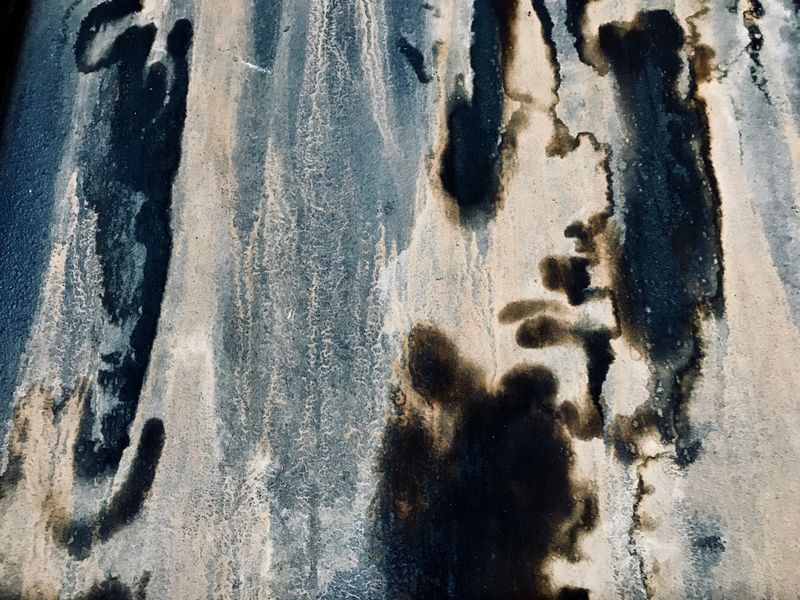
This is efflorescence — white, chalky mineral deposits left behind when water evaporates after seeping through masonry. If you see this on your basement walls, moisture is actively migrating through your foundation. It's one of the earliest and most common warning signs of a waterproofing problem.
2. Musty Odors — Even Without Visible Water
That damp, earthy smell means moisture is present, even if you can't see it. Humidity levels above 60% in your basement create ideal conditions for mold growth — a health hazard that can spread through your HVAC system to the entire house.
3. Cracks in Walls or Floor
Hairline cracks are normal in concrete. But cracks wider than 1/8 inch, horizontal cracks in block walls, or cracks that are growing are serious. Horizontal cracks indicate hydrostatic pressure pushing against your walls — a structural concern that gets worse every freeze-thaw cycle.
4. Sticking Doors and Windows in the Basement
When doors or windows in your basement start sticking or won't close properly, it can indicate foundation movement caused by moisture and soil pressure. This is more than an annoyance — it's a sign your foundation is shifting.
5. Previous Water Stains or Tide Marks
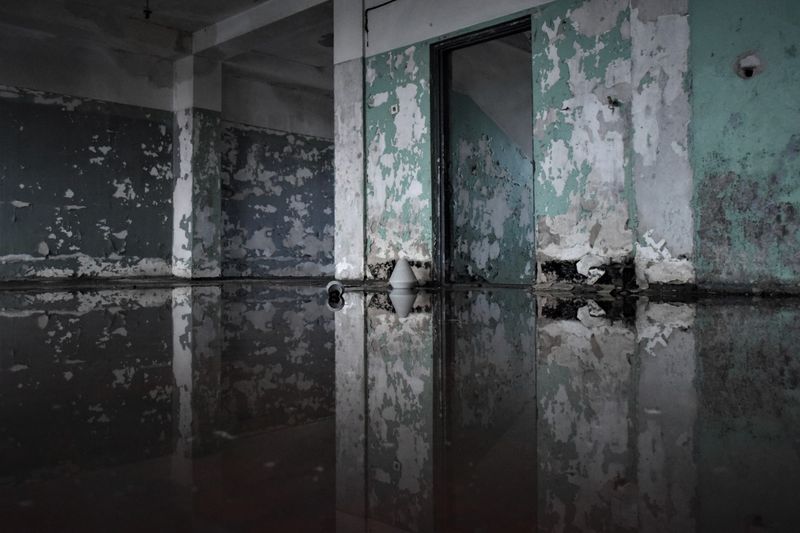
Old water stains on basement walls or floors tell you water has entered before — and it will enter again. If you see stains at consistent heights, that's the water table level during peak saturation.
DIY Steps You Can Take This Weekend
While major waterproofing requires a professional, these steps can make a real difference and are well within a homeowner's abilities:
Step 1: Inspect and Clear Your Gutters
Clogged gutters are the #1 cause of basement water problems that homeowners overlook. When gutters overflow, water pours directly down your foundation walls. Clean them out completely and make sure downspouts extend at least 6 feet away from your foundation.
Step 2: Check Your Grading
The ground around your home should slope away from the foundation at a rate of at least 1 inch per foot for the first 6 feet. Over time, soil settles and grading can reverse, directing water toward your basement instead of away. Add soil where needed to restore proper grading.
Step 3: Test Your Sump Pump
Pour a bucket of water into your sump pit. The pump should activate, discharge the water, and shut off automatically. If it doesn't, or if it runs constantly, you have a problem. Also check that the discharge line isn't frozen — a common winter issue in Indiana and Illinois.

A sump pump installation in progress. The pump sits in a pit (sump basin) cut into your basement floor. When water rises, the float switch activates the pump to discharge water away from your foundation through a discharge pipe. Test yours monthly by pouring a bucket of water into the pit — it should kick on immediately.
Step 4: Seal Visible Cracks
For cracks smaller than 1/4 inch, hydraulic cement or polyurethane caulk can provide a temporary seal. This isn't a permanent fix, but it can buy you time until a professional can assess the situation. For larger cracks or any horizontal cracks, skip the DIY and call a pro immediately.
Step 5: Manage Indoor Humidity
Run a dehumidifier in your basement to keep humidity below 50%. This won't stop water intrusion, but it reduces mold risk and condensation damage to stored items. Make sure your dryer vents to the outside (not into the basement) and that bathroom exhaust fans are working properly.
Black mold growing on a wall due to persistent moisture. Basement humidity above 60% creates ideal conditions for mold, which can spread through your HVAC system to the entire house. This is why waterproofing isn't just about protecting your stuff — it's a health issue.
When to Call a Professional
DIY measures are a great start, but some situations demand professional expertise. Call a waterproofing contractor if you notice any of the following:
- Horizontal cracks in block walls — This indicates structural pressure and may require wall reinforcement.
- Water entering from multiple points — Widespread seepage usually means an exterior drainage problem that needs professional diagnosis.
- Standing water after rains — If your basement takes on water during heavy rains, you likely need an interior drainage system or exterior waterproofing membrane.
- Bowing or leaning walls — A serious structural issue. Do not delay. This can lead to wall failure.
- Sump pump running constantly — Your water table may be too high for your current system. A professional can assess whether you need a more powerful pump or additional drainage.

Interior French drain installation. A trench is cut along the basement perimeter, and perforated pipe is laid in gravel to collect water seeping through walls or floor. The pipe routes water to the sump pump for discharge. This is one of the most effective professional waterproofing solutions, typically costing $3,000–$7,000.
The Cost of Waiting
Here's what procrastination costs Midwest homeowners:
- Mold remediation: $1,500–$9,000 (average $3,500)
- Foundation wall repair: $5,000–$15,000+ per wall
- Finished basement replacement: $20,000–$50,000+
- Lost home value: Homes with water damage history sell for 10–15% less
- Health costs: Mold exposure causes respiratory issues, allergies, and worse
Compare that to proactive waterproofing costs:
- Crack injection: $300–$800 per crack
- Interior drainage system: $3,000–$7,000
- Exterior waterproofing: $5,000–$15,000
- Sump pump installation: $500–$1,500
Prevention is always cheaper than repair. And late winter is your window to act before the spring rush drives up contractor wait times.
Indianapolis vs. Chicago: Local Considerations
Indianapolis homeowners: The clay-heavy soil in central Indiana retains water longer than sandy soils, creating sustained hydrostatic pressure against your foundation. Marion County and surrounding areas also have a relatively high water table in many neighborhoods. Pay special attention to sump pump maintenance.
Chicago homeowners: Lake-effect moisture and Chicago's flat topography create unique drainage challenges. Many older Chicago homes have limestone foundations that are more porous than modern concrete. If your home was built before 1960, an exterior waterproofing membrane is especially worth considering.
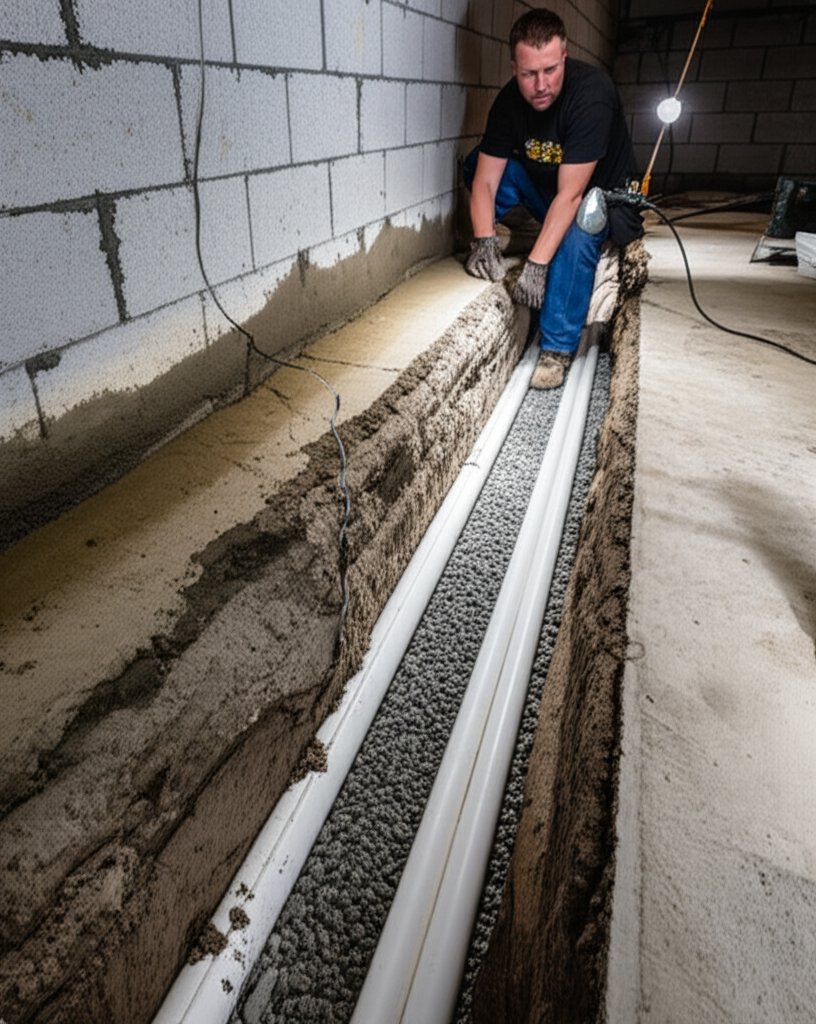
A construction worker performing renovation work in a basement. Professional waterproofing contractors bring specialized expertise — always get 2-3 quotes before committing to a project of this scale
Your Action Plan: This Week
- Today: Walk your basement. Look for the 5 warning signs above. Take photos of any cracks, stains, or efflorescence.
- This weekend: Clean gutters, check grading, test your sump pump.
- This week: Get 2-3 quotes from local waterproofing contractors. Many offer free inspections.
- Before March 15: Have any professional work scheduled. Contractors book up fast once spring hits.
Don't be the homeowner who finds out their basement leaks on the first warm weekend of spring. Take action now while you have the time — and the dry weather — to prepare.
Find Waterproofing Pros Near You
Ready to protect your basement before spring? Browse verified waterproofing contractors in your area on Saorr.
Indianapolis: Browse Indianapolis Waterproofing Pros →
Chicago: Browse Chicago Waterproofing Pros →
Free quotes • Verified reviews • Licensed & insured professionals
Find Trusted Pros Near You
Ready to start your project? Connect with vetted, top-rated contractors in your area.
Get StartedRelated Articles

Spring Pest Control 2026: When to Spray, What to Watch For, and Why March Is Already Too Late to Wait
Spring Sprinkler Startup: What Irrigation Contractors Find Wrong Every Year (And What It Costs You)