You Burned Fires All Winter: The Midwest Homeowner's Guide to Chimney Inspection and Cleaning
Every fire you burned this winter left something behind. Creosote. Soot. The kind of residue that builds up quietly in your flue and, given enough time and the wrong conditions, turns a cozy evening into a structure fire. It's March. The burning season just ended. Your chimney sweep has availability. There's no good reason to wait.
This post is for Indianapolis and Chicago homeowners with wood-burning fireplaces, gas fireplaces, or both. We're going to cover exactly what a chimney inspection involves, what it costs, what the real safety stakes are, and how to hire someone competent without getting taken. No padding, no obvious advice. Let's get into it.
Why March Is the Right Time to Get Your Chimney Inspected (Not Fall)
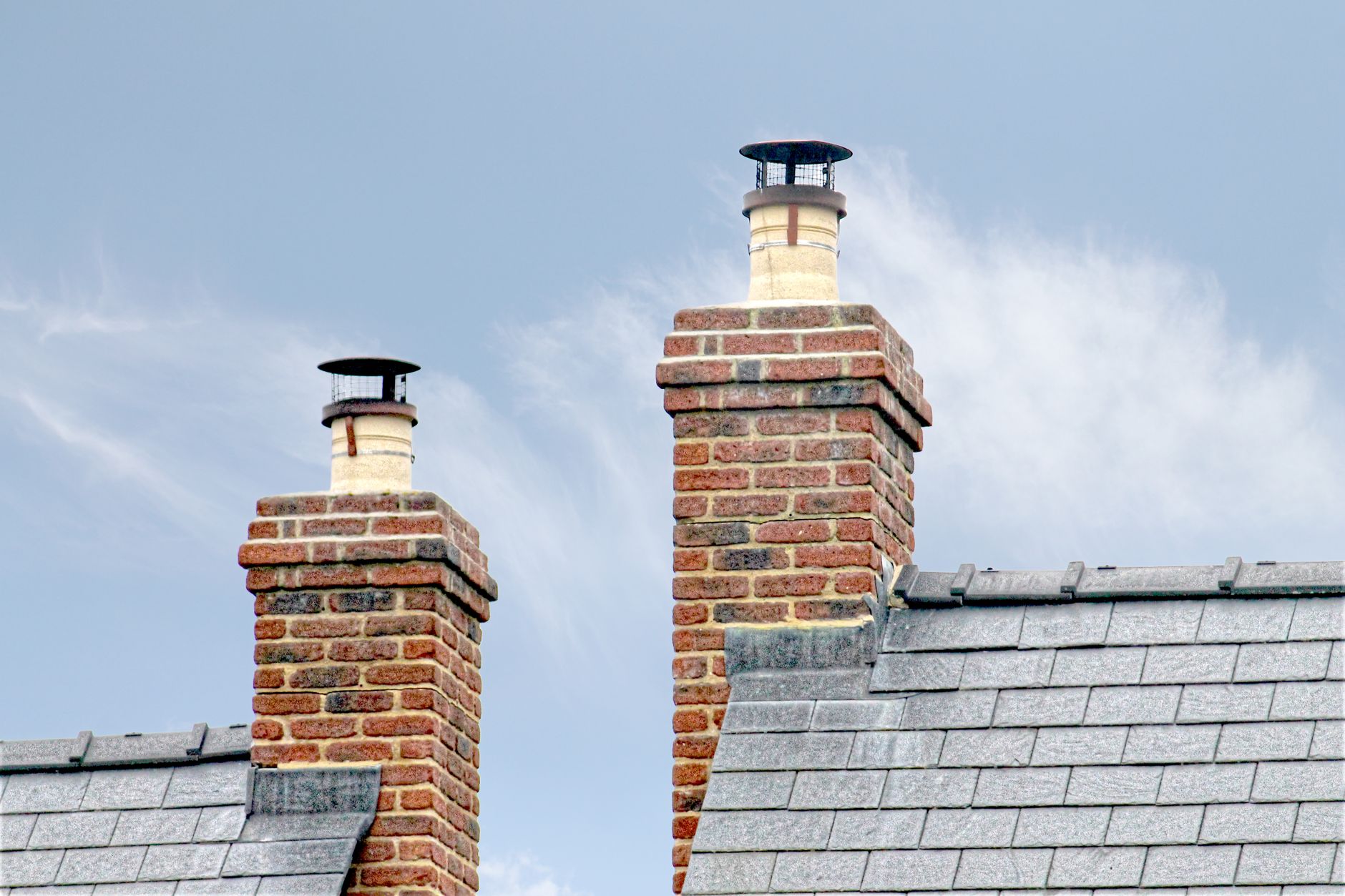
March is the sweet spot — sweeps are available, creosote is fresh, and you're not scrambling before the first cold night.
The conventional wisdom says to get your chimney cleaned in the fall, before you start burning. That advice isn't wrong, exactly — but in practice, it creates a problem. By September and October in Indianapolis and Chicago, chimney sweeps are booked out four to six weeks. Sometimes longer. You call in late September thinking you're being responsible, and the first available slot is late October — which is also when you wanted to start using the fireplace.
Spring scheduling solves this entirely. Here's why March specifically works:
- Availability is wide open. Sweeps aren't booked solid. You can get an appointment within a week or two, often sooner.
- Off-season pricing is real. Many CSIA-certified sweeps offer discounts during spring and summer — they need to keep crews busy. Ask directly when you call.
- You're cleaning fresh creosote, not aged residue. The buildup from this past winter is still relatively new. The longer it sits — especially through a humid Midwest summer — the more it bakes in, the harder Stage 3 creosote gets, and the more it costs to remove.
- There's a practical smell reason too. When you run your AC in July and the house seals up, any creosote sitting in your flue starts to smell. It's a distinctive, acrid odor that gets pulled back into the house. Cleaning in March eliminates that before it becomes a summer nuisance.
- You're protected before next season, not the night before. If the inspection reveals a cracked crown, a deteriorated flue liner, or a compromised damper, you have months to get it repaired — not a frantic two-week window before it gets cold again.
The fall-inspection mindset made sense when sweeps had open calendars year-round. That's not the current reality in either city. Get ahead of it now.
What a Chimney Sweep Actually Does — Levels 1, 2, and 3 Explained
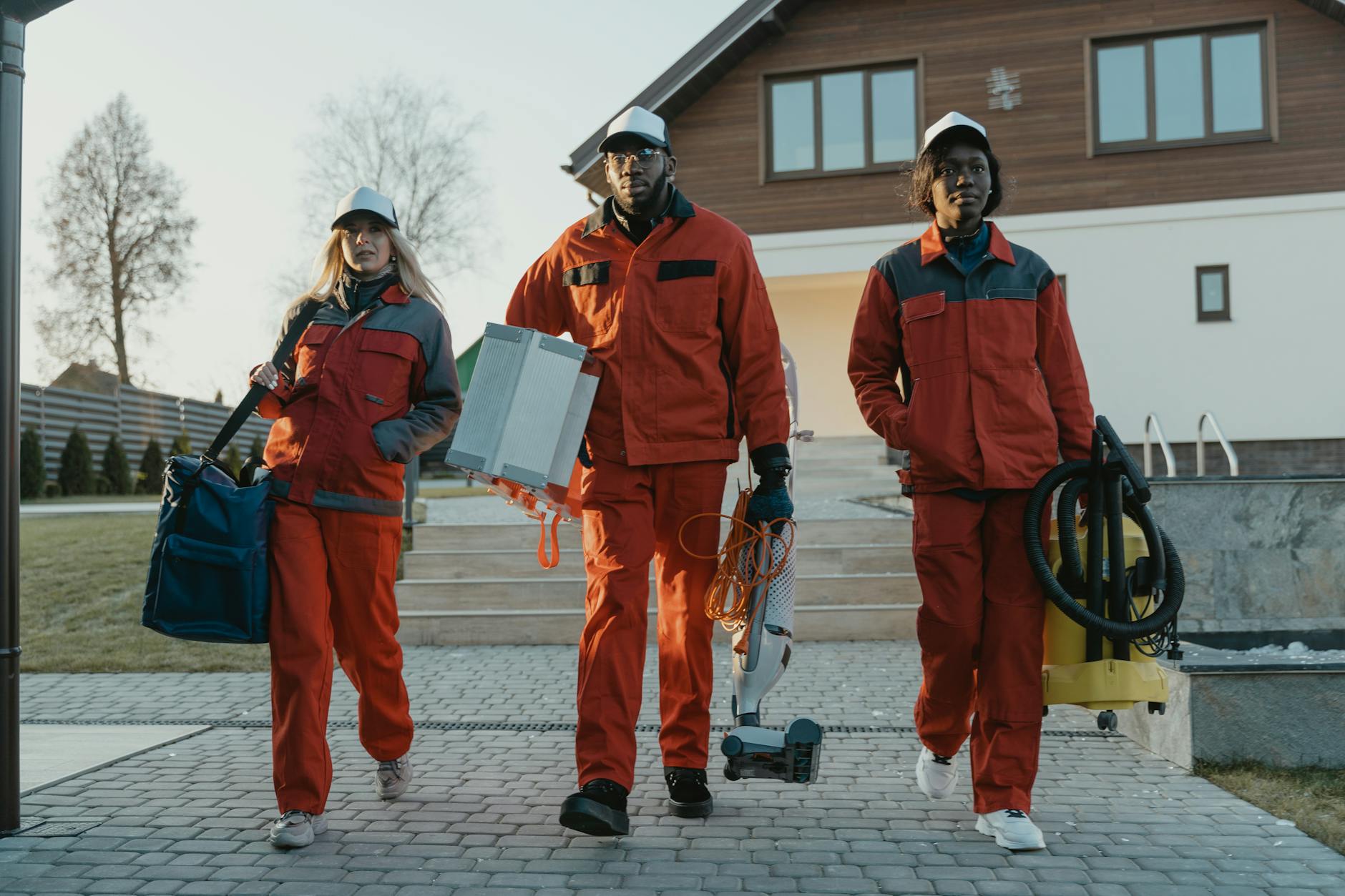
A real sweep uses rotary brushes, commercial vacuum equipment, and covers your firebox before starting — not a flashlight and a handshake.
NFPA Standard 211 — the national fire code standard for chimneys — establishes three levels of inspection. Understanding them prevents you from getting a lesser service than you paid for, or being upsold a Level 3 when a Level 1 is all you need.
Level 1 — Annual Visual Inspection
This is the baseline. A CSIA-certified sweep inspects all accessible portions of the chimney interior and exterior: the firebox, damper, smoke chamber, flue, chimney cap, crown, flashing, and exterior masonry. They're checking for deposits, structural soundness, and correct clearances. NFPA 211 requires this at minimum once per year — for every chimney, including gas fireplaces and chimneys that are rarely used. This is typically included in the cost of a standard cleaning appointment.
Level 2 — Video Camera Inspection
Everything in Level 1, plus a camera scan of the entire flue interior. This is what you need if: you're buying a home, you've had a chimney fire (even a small one you weren't sure about), you've made changes to the appliance or fuel type, or the chimney has sustained any kind of trauma — including a severe storm or significant settling. If you own a pre-1940 Chicago home and have never had a video inspection done, this is your baseline, not Level 1. Those old clay tile liners and unlined masonry flues need eyes on them.
Level 3 — Destructive Inspection
Level 3 involves opening up parts of the chimney structure to examine areas that can't be seen otherwise. It's ordered when Levels 1 and 2 suggest a serious hidden problem. It's uncommon, invasive, and expensive — but sometimes necessary. If a sweep recommends Level 3 without having done a Level 2 video scan first, that's a red flag worth questioning.
One critical note: the CSIA recommends sweeping when 1/8 inch or more of soot buildup is present. If any glazed (Stage 3) creosote is found — that shiny, hardened glaze — sweep immediately, regardless of total depth. Glazed creosote doesn't respond to standard brushing and requires chemical treatment first. Don't let that sit.
What This Costs in Indianapolis and Chicago (Full Price Breakdown)
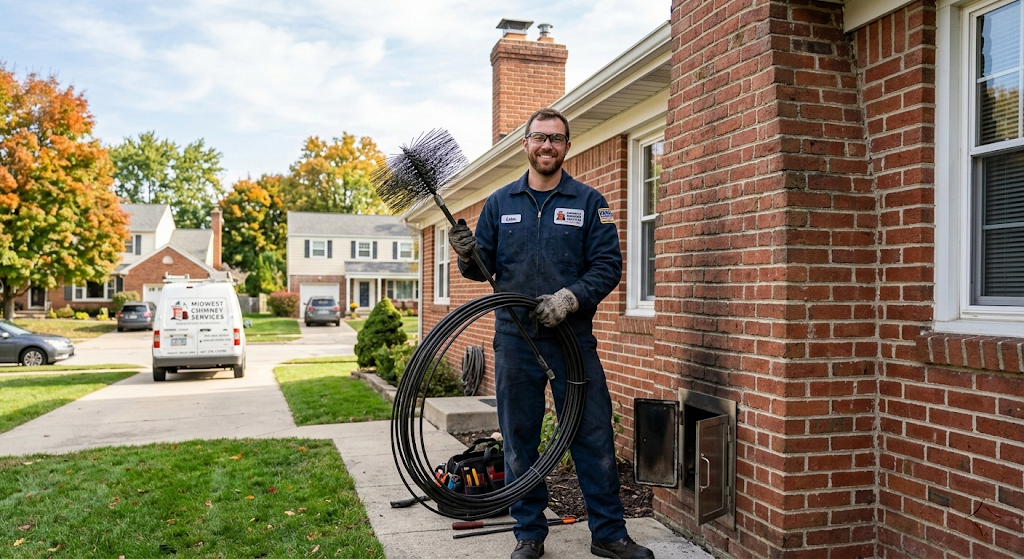
A $200 inspection is cheap insurance against a $7,000 reline — the math isn't complicated.
Here's the full price picture for Midwest homeowners in 2025–2026. Indianapolis runs slightly below national averages due to lower labor costs. Chicago runs at or above national averages, reflecting older housing stock and higher labor rates.
| Service | Indianapolis | Chicago |
|---|---|---|
| Sweep + Level 1 inspection | $130–$250 | $200–$380 |
| Gas fireplace inspection | $100–$200 | $150–$300 |
| Level 2 inspection (video camera) | $200–$450 | $250–$600 |
| Chimney cap replacement | $75–$1,000 (avg $300) | Same range |
| Damper replacement | $200–$1,500 | Same range |
| Crown repair/replacement | $800–$2,000 | Same range |
| Flue relining (clay tile or stainless steel) | $2,500–$7,000 | Same range |
That last line is worth sitting with. A $130–$250 inspection catches a crown crack before it becomes a $2,000 repair. Skip annual inspections long enough, and a failed liner costs $2,500 to $7,000 to reline. The math on skipping annual service is brutal — the money you save on the inspection gets spent on the repair it would have caught, with interest.
One more note: some homeowners' insurance policies require documentation of annual chimney maintenance. If a fire is traced to neglected creosote buildup, you could face complications on a claim. A written inspection report is worth keeping on file.
The Safety Stakes: Chimney Fires and CO Poisoning Aren't Theoretical

Stage 3 creosote is the most dangerous form and the hardest to remove. Chemical treatment is required before brushing.
About 14,000 chimney fires occur in the United States every year. Chimney fires can reach 2,000°F — hot enough to melt mortar, crack clay tile flue liners, and ignite the wood framing surrounding your chimney. Most homeowners never know they've had one, because the majority of chimney fires burn slow and don't produce visible flames or detectable smoke outside the house. The damage shows up later, in a Level 2 inspection: cracked liner tiles, scorched mortar, compromised clearances.
Zoom out and the number gets worse. According to the NFPA, nearly 38,900 fireplace and heating fires occur annually in U.S. homes, resulting in approximately 480 deaths and over $1 billion in property damage each year. Chimney and flue fires account for roughly 5% of all home fires and 7% of fires in one- and two-family homes.
Creosote is the primary fuel for chimney fires. It accumulates in three stages:
- Stage 1 — Crusty/flaky: Easiest to remove with standard brushing. This is what a routine annual sweep handles.
- Stage 2 — Tar-like and sticky: Harder to remove. Requires more aggressive mechanical methods.
- Stage 3 — Shiny, hardened glaze: The most dangerous form. Standard brushing won't touch it. Requires chemical treatment to convert it before it can be removed. If you see this in your flue, you don't wait for a scheduled appointment — you call now.
Creosote accumulates faster when you burn unseasoned (wet) wood, when airflow is restricted, or when flue temperatures are lower than normal — all common conditions during moderate winter burns where you're keeping a small fire going for ambiance rather than heat.
Carbon monoxide is the other hazard — relevant for both wood-burning and gas fireplaces. A blocked or deteriorated flue can push CO back into the living space. Unlike smoke, you don't see it or smell it. It's particularly dangerous for gas appliances, where the visual signs of combustion are minimal. CO detectors are mandatory, not optional — but they're a last line of defense, not a substitute for a functioning, inspected flue.
Wood-Burning vs. Gas Fireplace: Both Need Annual Service, For Different Reasons

Different fuel types, same annual service requirement — NFPA 211 doesn't carve out exceptions for gas.
The most common misconception among gas fireplace owners: "I don't have creosote, so I don't need a chimney sweep." This is wrong, and it's the kind of wrong that can get someone hurt.
Wood-Burning Fireplaces
The issues here are primarily creosote and soot. Every fire produces them. The rate of accumulation depends on how often you burn, what you burn, and how hot your fires run. NFPA 211 and CSIA both call for annual inspection. If you're burning three or more times per week during the heating season, get it inspected twice a year. Use only seasoned, dry hardwood — green or wet wood burns cooler and produces significantly more creosote per cord.
Gas Fireplaces
Gas burns cleaner than wood, but it's not maintenance-free. The reasons gas fireplaces need annual service are different:
- Animal and debris blockages: Birds, squirrels, and wasps love to nest in flues during the off-season. A blocked gas flue creates a CO backdraft situation with no warning signs.
- Component wear: Gas valves, ignition systems, burner ports, and glass door seals degrade over time. A failed valve or cracked firebox panel isn't a cosmetic issue — it's a gas leak or fire risk.
- Flue liner integrity: Gas fireplaces still have flues, and those flues can develop cracks, corrosion, or moisture intrusion even without creosote buildup.
- Incomplete combustion: If the burner is out of adjustment, it can produce soot and elevated CO even on a gas unit.
Annual inspection for gas fireplaces doesn't always mean an annual cleaning — but it always means an annual inspection. The NFPA 211 standard doesn't carve out an exception for gas. Neither should you.
What You Can Check Yourself vs. What Needs a Pro

A flashlight and mirror can tell you something — just not everything. Know where your inspection ends.
There are things a homeowner can reasonably check without any special equipment or training. Do them. They take about an hour and they're free. Just understand where the limits are — and don't mistake a flashlight inspection for a professional one.
What You Can Check Yourself
- Glass doors: Check for cracks or chips. A cracked glass panel needs replacing before the next burn.
- Damper: Open and close it. It should move freely and seal completely when closed. If it's stuck, rusted, or doesn't close all the way, that's an energy loss and a pest-entry problem.
- Firebox walls and floor: Look for cracked firebricks or deteriorated mortar joints. Minor cracking is common; open gaps or shifted bricks need professional attention.
- Lower flue — flashlight and mirror: You can see the lower portion of the flue from inside. Look for obvious debris, heavy soot coating, or the shiny look of Stage 3 creosote. If you can see an eighth of an inch or more of black coating, you need a sweep.
- Chimney exterior from the ground: Walk around outside. Look for missing or damaged bricks, crumbling mortar, white mineral staining (efflorescence — a sign of moisture intrusion), black residue seeping through joints, and the condition of the chimney cap and flashing at the roofline.
What Requires a Professional (No Exceptions)
- Any actual sweeping: Chimney cleaning requires rotary brush systems, commercial-grade vacuum equipment, and proper containment setup. This isn't a DIY task — the particulate alone is a health hazard.
- Flue liner assessment deep in the chimney: You can't see what a camera sees. Hairline cracks, spalled tiles, and mortar joint failures in the upper flue are invisible from below.
- Stage 2 and Stage 3 creosote removal: You cannot safely or effectively remove this yourself.
- Any structural work: Crown repair, relining, damper replacement — all require professional installation to meet clearance standards.
- Carbon monoxide risk evaluation: Requires testing equipment and knowledge of combustion dynamics. This is not a DIY assessment.
Do your own visual check. If anything looks off, don't burn again until a pro has looked at it. If everything looks fine, get the pro anyway — because what looks fine from your living room isn't what a camera sees from inside the flue.
How to Hire a Chimney Sweep (And How to Spot a Bad One)
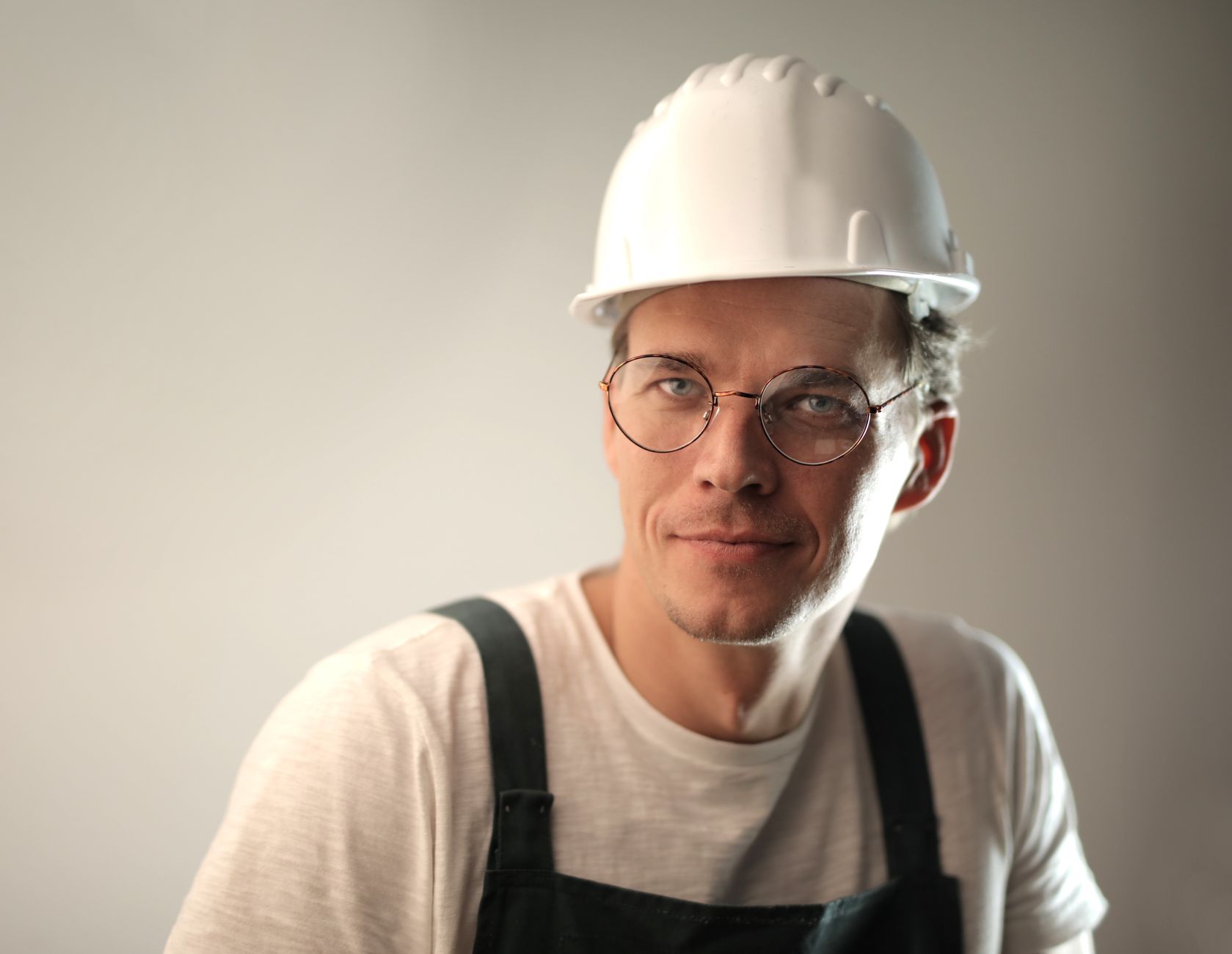
Look for CSIA certification, proof of insurance, and a written report — before the job starts, not after.
The chimney sweep industry has no universal licensing requirement at the state level in Illinois or Indiana. That means the barrier to entry is low, and not everyone who shows up with a brush and a van knows what they're doing. Here's how to find someone competent and avoid the bad actors.
What to Look For
- CSIA Certified Chimney Sweep (CCS): This is the credential that matters. The Chimney Safety Institute of America runs a rigorous certification program — written exam, continuing education, ethics standards. Use the technician locator at csia.org to find certified sweeps in Indianapolis and Chicago. It's free and takes two minutes.
- Ask the right question: "Do you perform Level 1 inspections per NFPA 211?" A certified sweep will know exactly what you're asking. If they sound confused, hang up.
- Liability insurance and worker's comp: Ask for proof before they arrive. They should have both. If they work on your roof and fall — or damage your fireplace — you don't want to find out after the fact that they're uninsured.
- Written inspection report with photos: Any professional sweep should provide a written report documenting what they found, what they cleaned, and any recommended repairs. Photos of the flue interior are standard with a Level 2 inspection. If they won't commit to a written report, find someone who will.
Red Flags to Walk Away From
- They inspect only from the bottom. A real sweep goes up and in. If the sweep looks in from the firebox opening, declares it clean, and hands you a bill — you got a visual glance, not an inspection.
- The "$49 chimney inspection special." This is a common loss-leader scam. The low-priced "inspection" gets them in the door; the profit comes from aggressively upselling repairs you may or may not need. Get 2–3 bids for any repair over $500 before authorizing work.
- Pressure to approve expensive repairs on the spot. A legitimate sweep gives you a written estimate and lets you think about it. A bad one creates urgency around a problem that may not even exist.
- No scope of work discussed before starting. Know what you're paying for before they touch anything.
Midwest-Specific Advice
In Chicago, if your home was built before 1940 — and 46% of Chicago homes were — insist on a Level 2 video inspection. Pre-war masonry chimneys are commonly unlined or have deteriorated clay tile liners that look fine from below and are structurally compromised in the upper flue. If the home has multiple flues sharing one chimney (common in older bungalows and two-flats), each flue needs to be inspected separately.
In Indianapolis, the primary concern with mid-century brick chimneys is freeze-thaw damage. The last few winters have been hard on older masonry — mortar joints that survive twenty winters can fail in a bad one. Look closely at the chimney exterior, and don't assume a chimney that's been "fine" for years is still fine.
In both cities: book in March. Get it done while sweeps have time and off-season pricing is in play. Don't be the person calling in October, competing with everyone else who also waited too long.
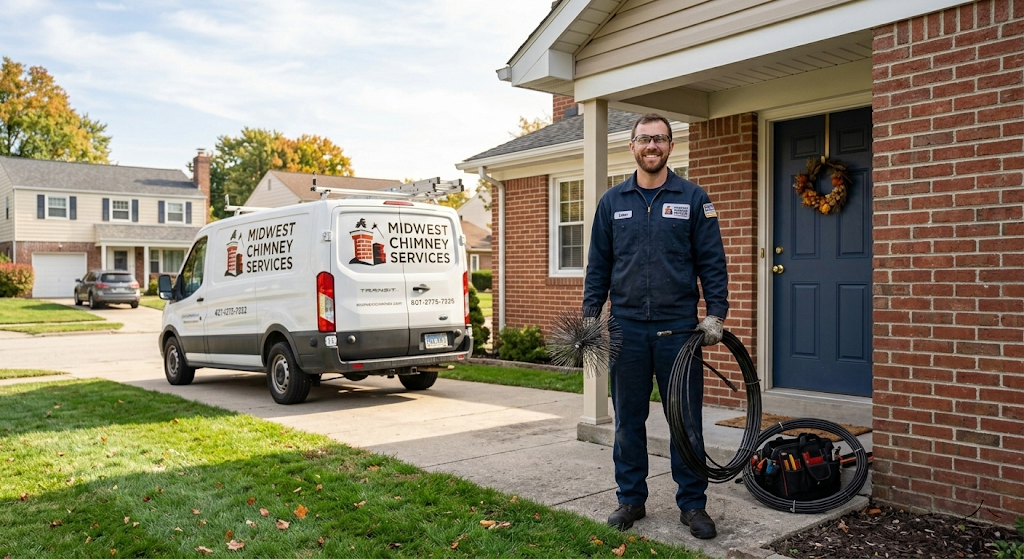
A licensed Indianapolis chimney sweep — book before fall calendars fill up.
If you're in Indianapolis or Chicago and you want a CSIA-certified chimney sweep you can actually trust, Saorr connects homeowners with vetted local contractors. No random search results. No guessing on credentials. These are tradespeople who have been reviewed by real homeowners in your area.
Find a chimney professional near you through Saorr — and get it scheduled before the fall rush makes that a two-month wait.
Find Trusted Pros Near You
Ready to start your project? Connect with vetted, top-rated contractors in your area.
Get StartedRelated Articles

Spring Pest Control 2026: When to Spray, What to Watch For, and Why March Is Already Too Late to Wait
Spring Sprinkler Startup: What Irrigation Contractors Find Wrong Every Year (And What It Costs You)