Exterior Entry Door Replacement Guide ? Midwest 2026
Exterior Entry Door Replacement Guide for Midwest Homeowners — 2026
Your front door is doing more work than you probably give it credit for. It's holding back Chicago's lake-effect winds, resisting the salt spray that creeps up from Detroit driveways every February, and cycling through weather extremes — Midwest homes can experience dozens of freeze-thaw cycles in a typical winter season — with counts running higher in severe winters or northern locations — particularly in Great Lakes cities. When it starts sticking, drafting, or just looking tired, that's not a minor annoyance — it's a signal that one of your home's most critical thermal and security barriers is failing. The good news: exterior door replacement is one of the better-ROI projects you can do, and with the right material choice and installation approach, a new door pays dividends in energy savings, comfort, and curb appeal for 20 to 30 years. This guide covers everything Midwest homeowners need to know — material choices, energy ratings, permit requirements, and what you'll actually pay in markets from Columbus to Minneapolis.
Signs You Need a New Exterior Door

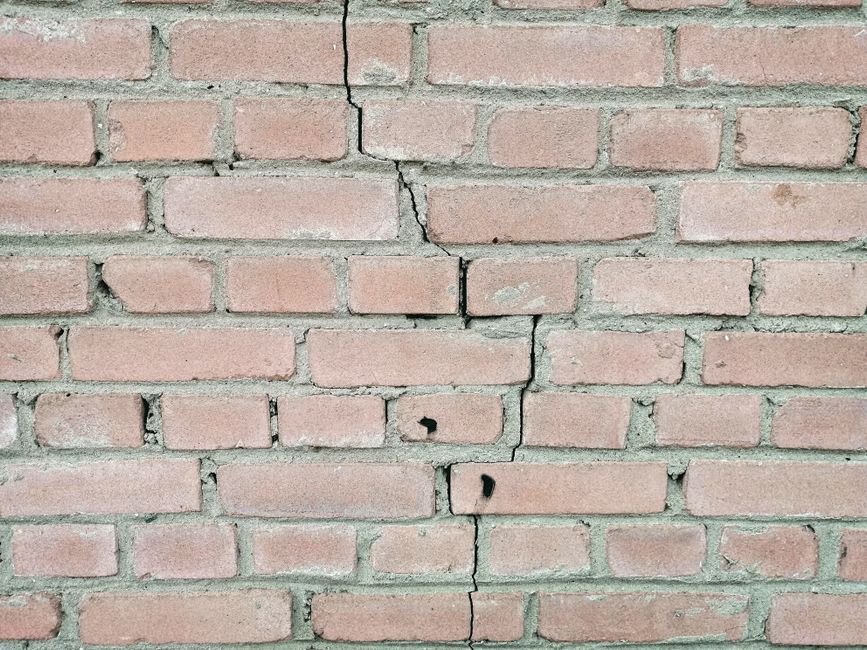
Rusty hinges and peeling paint are classic signs your entry door has reached the end of its service life and needs replacement.
Not every problem door needs to be replaced — but some definitely do. Here's how to tell the difference.
Replace When You See These Signs
- The door is visibly warped or bowed. A warped door can't form a complete seal. In Midwest winters, that gap is costing you real money on heating bills and creating the kind of sustained cold-air infiltration that breeds condensation and floor damage at the threshold.
- The frame is soft at the sill or corners. Probe the bottom of your door frame with a screwdriver. If it sinks in, you have rot — likely from years of freeze-thaw moisture cycling. A rotted sill is a structural issue, not a cosmetic one, and no amount of weatherstripping will fix it.
- The door sticks year-round. A door that sticks only in winter is usually a seasonal wood-swelling or frame-shifting issue (very common in older Detroit and Cleveland bungalows). A door that sticks in every season likely has a frame that's shifted too far out of square to recover.
- It's a pre-2000 uninsulated door. Many Midwest homes — particularly in the dense bungalow and two-flat stock of Chicago, Detroit, and St. Louis — still have original hollow-core or minimally insulated doors from the 1970s and 1980s. These have effectively no R-value. Replacing one with a modern insulated unit is an immediate energy upgrade.
- Security has been compromised. Damaged frames, failing hinges, or soft wood around the lock strike plate are not patchable problems. Replace, don't patch.
When Repair Is the Right Call
If weatherstripping is the only issue, a $20–$60 DIY strip replacement is the right move — not a $1,500 door installation. Loose hinge screws are another easy fix: replace the existing short screws with 3-inch screws that reach into the wall studs. Minor cosmetic damage to a steel door (a scratch, small dent) can be sanded, primed, and painted for a fraction of replacement cost. If your blower-door test shows low infiltration and the frame is structurally sound, hold off.
Choosing the Right Door Material for the Midwest

The material you choose for your Midwest entry door — steel, fiberglass, or wood — has a direct impact on durability through freeze-thaw cycles, energy performance, and long-term maintenance costs.
The material you choose matters more in the Midwest than in most other U.S. regions. Freeze-thaw cycling, road salt exposure, and wide temperature swings — from single digits in January to high-humidity summers — create conditions that expose the weaknesses of each material type in different ways.
Steel Doors
Steel is the budget-friendly workhorse of the door market. Material costs run approximately $150 to $1,400 for the door alone, and most homeowners can find a quality prehung steel unit in the $400–$700 range at a big-box retailer. Steel doors offer the best security rating per dollar, a foam-core R-value of roughly R-5 to R-6, and a lifespan of 20 to 30 years with maintenance.
The Midwest-specific problem with steel: road salt. Michigan, Ohio, Indiana, and Illinois road crews apply heavy salt from November through March, and homes near driveways or streets accumulate salt spray that accelerates rust at the door's bottom rail. If you go with steel, specify a galvanized or epoxy-coated bottom rail — or budget for annual touch-up painting to maintain the protective finish. Steel is a solid choice for rental properties, interior-facing garage entries, or budget-conscious replacements where a covered entry keeps the door out of direct weather exposure.
Fiberglass Doors
Fiberglass is the recommended material for primary entry doors in Midwest climates. It doesn't absorb moisture, won't swell or warp in humidity, and is genuinely resistant to the freeze-thaw cycling that slowly destroys wood and compromises steel finishes. Chicago, Detroit, Cleveland, and Minneapolis homeowners dealing with frequent freeze-thaw cycling common across the Midwest get the most out of fiberglass's durability advantage.
Modern fiberglass doors can be textured and finished to closely mimic wood grain, which means you don't have to sacrifice curb appeal for performance. R-values range from R-5 to R-8 depending on core thickness, and lifespan typically exceeds 30 years with minimal maintenance. The tradeoff is cost: quality prehung fiberglass units start around $500–$800 and can run to $3,000 for premium styles with decorative glass. For most Midwest homeowners replacing a primary entry on a standard 36" opening, expect to pay $700–$1,500 for a good fiberglass door before installation.
Wood Doors
Wood doors offer the highest-end aesthetic — the kind of curb appeal that photographs well and adds genuine perceived value on a resale listing in markets like Carmel, Indiana or Naperville, Illinois. They can be refinished multiple times and, when well-maintained, are genuinely beautiful.
The Midwest reality: wood requires work. Painting or staining every two to five years is not optional — it's the difference between a door that holds up and one that swells shut in March or develops checked surfaces by year seven. Solid wood has a lower R-value (roughly R-2 to R-3) than steel or fiberglass, making it a performance step backward unless you opt for composite-core construction. Wood is best suited to protected entries — under a deep porch, recessed into an overhang — where it won't take direct weather exposure. For unprotected Midwest entries facing prevailing winds off the Great Lakes, wood is a high-maintenance gamble.
Energy Efficiency Ratings: What to Look For

Proper weatherstripping and sealant application are just as critical as U-factor ratings — a well-rated door installed without a threshold seal or silicone weatherstripping will still draft all winter.
The Midwest falls in the North Central climate zone — a heating-dominated climate where minimizing heat loss in winter is the primary energy performance goal. When you're shopping for a replacement door, two numbers matter most.
U-Factor
The U-factor measures the rate of heat transfer through a door system (door panel, frame, and any glass lites). Lower is better. For ENERGY STAR certification in the North Central climate zone, the current threshold under ENERGY STAR Version 7.0 (effective October 2023) is U-factor ≤ 0.26. The ENERGY STAR Most Efficient designation — the top tier — requires an even lower threshold; verify the current criteria at energystar.gov, as requirements were updated under v7.0. If your current door is a 1980s unit with no insulated core, you're likely looking at a U-factor above 0.50. Replacing it with a quality insulated fiberglass door at U-0.25 is a meaningful reduction in winter heat loss.
SHGC and Low-E Glass
SHGC (Solar Heat Gain Coefficient) measures how much solar energy a door's glass lites allow through. In a heating-dominated Midwest climate, this isn't always the enemy — a higher SHGC on a south-facing entry with sidelights can actually capture useful solar heat gain in winter. The ENERGY STAR Most Efficient threshold is SHGC ≤ 0.23, but if your entry faces south and gets good winter sun, consider a product with a slightly higher SHGC (0.25–0.30) to take advantage of passive solar heating.
Low-E glass is a spectrally selective coating applied to glass lites and sidelights that reduces heat loss in winter without blocking visible light. It's standard on any ENERGY STAR-certified door and should be on your shortlist regardless. Look for "hard-coat" or "soft-coat" Low-E; soft-coat offers better performance but must be installed as an interior surface.
Weatherstripping and Threshold Seals
The best-rated door in the world underperforms with compromised weatherstripping. In Midwest climates, foam-tape weatherstripping deteriorates faster than silicone or EPDM rubber — sub-zero temperatures accelerate foam compression set and cracking. Specify silicone-bulb compression weatherstripping when replacing or upgrading. For the threshold, a multi-point seal is superior to a single-piece sweep: it maintains contact across the full door width even as your floor settles or heaves seasonally, which is a real concern in older Columbus and Indianapolis homes with pier-and-beam or aging slab foundations.
Prehung vs. Slab: What's Right for Midwest Homes

Getting a prehung door frame perfectly plumb, level, and square in the rough opening is the most critical step — it determines how the door seals, swings, and performs for the next 20 years.
When you order a replacement door, you're choosing between two configurations: a prehung unit or a slab door.
Prehung Doors
A prehung door arrives as a complete assembly: door panel, frame, hinges, and pre-bored lockset hole. This is the right choice for almost any Midwest replacement where the existing frame shows any signs of rot, shifting, or damage — which describes a significant portion of the pre-1960s housing stock in Detroit, Cleveland, Chicago, and St. Louis. Installing a prehung unit takes two to four hours and requires careful shimming to ensure the frame is plumb, level, and square in the rough opening before anchoring.
After setting the frame, the gap between the prehung unit and the rough opening framing should be filled with low-expansion spray foam — not high-expansion foam, which can bow the door jamb out of square. Peel-and-stick flashing membrane at the sill and head flashing above the exterior casing are non-negotiable in Midwest climates: water intrusion behind a door casing in freeze-thaw conditions produces rotted framing within three to seven years.
Slab Doors
A slab door is just the door panel — no frame. It's the right choice only when the existing frame is in demonstrably good condition: structurally sound, perfectly square, and free of rot. In newer Columbus and Indianapolis suburbs (homes from the 2000s–2010s), you'll find more candidates for slab replacement. In older Midwest housing stock, assume prehung unless a thorough inspection proves otherwise.
Rough Opening and Sizing Notes
Standard residential entry doors are 32" × 80" or 36" × 80". The rough opening should be the door width plus 2 inches and the door height plus 2.5 inches, allowing room for shimming and framing. Pre-1970s Midwest homes — particularly the bungalow and worker-housing stock common in Detroit, Chicago, and Cleveland — frequently have non-standard openings: 30" or 34" widths are not uncommon. Non-standard sizing either requires a custom-sized door or a rough opening modification, both of which add $200–$600 or more to the project cost. Check your rough opening dimensions before ordering.
Permit Requirements by City

Permit requirements for exterior door replacement vary significantly across Midwest cities — always verify with your local building department before starting work.
Permit requirements for exterior door replacement vary significantly across Midwest cities. The general rule: like-for-like replacements (same rough opening, no structural changes) are often exempt, but any modification to the framing or rough opening typically triggers a permit requirement. Always verify with your local building department — requirements can change year to year, and enforcement varies by inspector and jurisdiction.
- Chicago, IL: Like-for-like door replacement generally falls under Chicago's "minor work" provisions and may not require a permit if no structural work is involved. However, Chicago's Department of Buildings enforces this variably, and pre-1978 homes (the majority of Chicago's bungalow and two-flat stock) require lead-safe work practices under EPA rules — your contractor must provide the required renovation brochure before starting work.
- Indianapolis, IN: Like-for-like replacement generally does not require a permit in Marion County when no structural changes are involved. Any modification to the rough opening or framing requires a permit through the Department of Business and Neighborhood Services. Suburban markets like Carmel and Fishers typically offer a streamlined process for residential permits.
- Columbus, OH: The City of Columbus generally does not require a permit for a direct door replacement where the rough opening is unchanged. Structural changes or rough opening modifications require a permit through the Division of Building and Zoning Services.
- Detroit, MI: Detroit enforces permit requirements more broadly than most peer Midwest cities. The Building Safety Engineering and Environmental Department (BSEED) typically requires a permit for any exterior door replacement, with fees generally running $75–$150 for residential work (verify current fee schedule at detroitmi.gov). Given Detroit's large volume of pre-1940 housing, a professional assessment before assuming like-for-like scope is strongly recommended — lead paint and deteriorated framing are common findings.
- Milwaukee, WI: The City of Milwaukee generally does not require a permit for a standard residential door replacement at the same size and location. Changes to the opening require a permit through the Department of Neighborhood Services.
What This Costs in the Midwest

Exterior door replacement costs in the Midwest range from around $1,000 for a basic steel swap to $3,200 or more in urban markets like Chicago and Detroit where labor rates and permit requirements add overhead.
Nationally, exterior door installation typically runs $1,456 on average (per home improvement industry cost data), with a range of roughly $546 to $2,376 for standard residential work. Simple like-for-like steel door swaps can come in under $600; complex custom installs with sidelights, reframing, and high-end fiberglass or iron doors can reach $5,000–$7,000 or more. In the Midwest, where housing stock age, labor market structure, and permit requirements all influence final cost, here's what to expect.
Urban vs. Suburban vs. Rural
Ranges below are regional contractor estimates and may vary based on door grade, installer, and local labor rates.
| Markets | Estimated All-In Range | Notes |
|---|---|---|
| Chicago (city proper), Detroit (city) | $1,600–$3,200+ | Union labor premium, permit costs, lead-safe compliance, aging stock reframing common |
| Minneapolis, Milwaukee, Cleveland | $1,400–$2,600 | Near-average labor rates; union influence varies by trade |
| Columbus, Indianapolis, Cincinnati, St. Louis | $1,100–$2,200 | Open-shop labor markets, near national average; competitive contractor supply |
| Naperville, Carmel, Dublin, Livonia, Evanston | $1,200–$2,400 | Suburban markets with multiple contractors bidding; standard housing stock lowers scope complexity |
| Rural Indiana, rural Ohio, rural Michigan | $1,000–$1,800 (materials); higher labor if specialty work needed | Fewer contractors = longer scheduling lead times; limited competition on complex jobs |
For suburban homeowners in markets like Naperville, Carmel, or Dublin — where homes are typically 2000s–2010s construction with standard 36" prehung fiberglass doors — most homeowners pay in the $1,200–$1,800 range for a quality prehung fiberglass upgrade with professional installation. In Chicago's urban core or Detroit's older neighborhoods, estimates range higher due to labor rates, permit overhead, and the likelihood of discovering frame issues that add scope.
Outside the metro ring, rural homeowners may find lower hourly rates but fewer contractors willing to take on the work — particularly if the project involves reframing, custom sizing, or lead abatement. Factor in potentially longer scheduling windows when planning a rural project.
Local Factors That Affect Your Quote
- Housing stock age and condition. Pre-1940 homes in Detroit, Cleveland, and Chicago frequently have non-standard rough openings, plaster surrounds (not drywall), and deteriorated sill framing. These add $200–$500 or more to a standard quote through reframing, custom sizing, or remediation prep. Pre-1978 homes in any market may trigger lead-safe work practice requirements, which add time and cost.
- Labor market structure. Chicago's union-dominant construction labor market drives a 15–30% premium over national average hourly rates. Indianapolis, Columbus, and Milwaukee operate in more open-shop environments where rates sit closer to the national mean. This differential compounds on larger jobs — a project that takes four hours in Indianapolis takes the same four hours in Chicago but at a meaningfully higher labor rate.
- Permit fees and processing time. Detroit's broader permit requirements add a direct cost ($75–$150 for residential work (verify current fee schedule at detroitmi.gov)) plus scheduling lag. Chicago's permit process for anything beyond minor work can add days to project timelines. Indianapolis and Columbus suburban jurisdictions typically process residential permits efficiently, with less impact on project scheduling.
- Sidelight and transom scope. Doors with sidelights (the narrow glass panels flanking the entry) run $1,600–$4,600 all-in — significantly more than a standard single-door swap. If your existing entry includes sidelights and you're replacing with a matched unit, verify rough opening dimensions carefully before ordering.
- Freeze-thaw damage to framing. In older Midwest markets with heavy freeze-thaw exposure — particularly Chicago, Detroit, and Cleveland — the sill plate and lower framing around older doors frequently have undisclosed rot. Contractors in these markets routinely discover framing damage that wasn't visible during the original estimate. Build a contingency of $200–$400 into your budget for pre-1970s homes in heavy freeze-thaw markets.
- Utility rebates. AES Indiana and Indianapolis Power & Light may offer weatherization rebates that include door replacement under certain programs. DTE Energy (Detroit metro) periodically offers weatherization programs where door and window work may qualify — verify current offerings at dteenergy.com. Rebates change annually — verify at the time of your project. Low-income households may qualify for the federal DOE Weatherization Assistance Program (WAP), which covers energy improvements including door replacement.
DIY vs. Hire a Pro
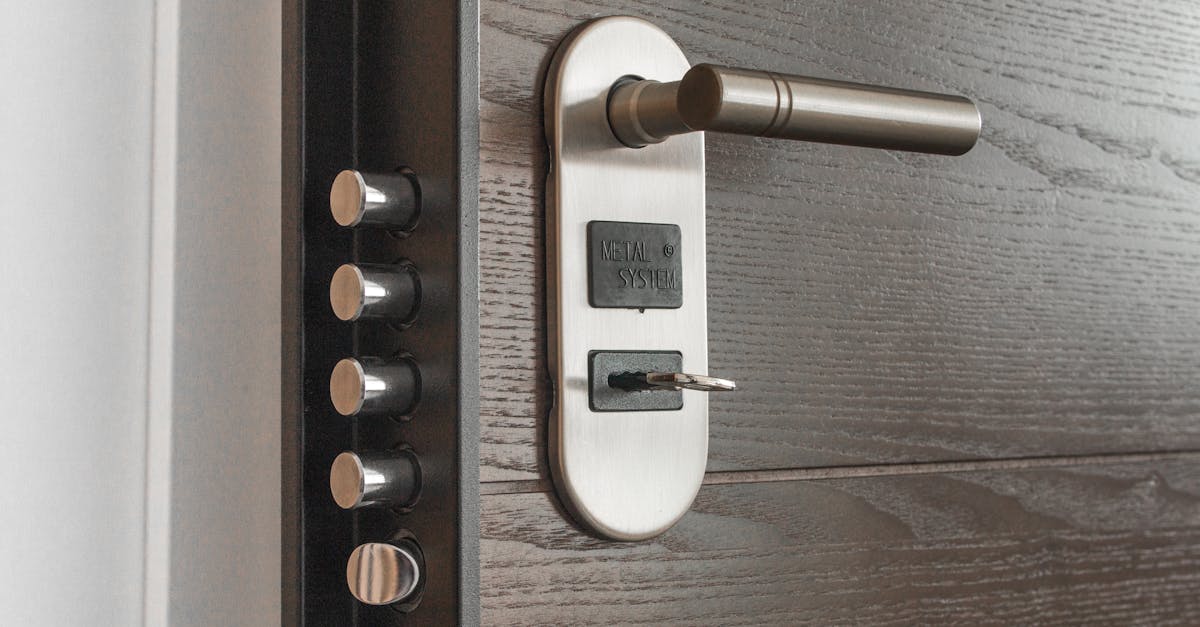
A standard like-for-like prehung door swap is DIY-friendly, but any sign of rot, structural framing issues, or a non-standard rough opening warrants calling a licensed installer.
Door replacement sits in the middle of the DIY spectrum: it's genuinely achievable for a mechanically confident homeowner, but the margin for error is narrow and the consequences of a bad installation show up for years.
When DIY Makes Sense
If the rough opening is structurally sound, the framing is plumb and square, and you're doing a straightforward like-for-like prehung swap on a standard 32" or 36" opening, DIY is reasonable. Materials for a prehung steel door at a big-box retailer run $300–$800; add hardware, weatherstripping, low-expansion foam, and flashing tape and your all-in DIY cost typically lands in the $400–$1,200 range. That's $200–$600 in labor savings for a four-to-six-hour project.
The critical skills: shimming a frame plumb, level, and square simultaneously; applying sill pan flashing correctly; and sealing with low-expansion (not high-expansion) foam. Get these wrong and you'll have a leaking, drafty, or racked door that's miserable to fix after the fact.
When to Hire a Pro
If any of the following apply, call a contractor:
- The sill or surrounding framing shows any softness or rot
- The rough opening is non-standard and needs modification
- Your home was built before 1978 (lead-safe practices are required)
- You're adding sidelights or a transom that changes the rough opening
- The door is on an unprotected entry facing prevailing weather
In Midwest markets — particularly in the older housing stock of Detroit, Cleveland, and Chicago's bungalow neighborhoods — the "simple swap" that uncovers rotted framing is not the exception. It's common enough that experienced local contractors price it into their estimates. A professional who spots the rot before it's an emergency is worth the labor cost.
Common Mistakes to Avoid

Skipping sill pan flashing is the single most common installation mistake — water infiltration at an unflashed sill in Midwest freeze-thaw conditions will rot your framing within a few years.
- Skipping sill pan flashing. This is the single most common installation error that leads to structural damage. Peel-and-stick membrane across the bottom of the rough opening is mandatory — water infiltration at an unflashed sill in a Midwest freeze-thaw climate will rot your framing within a few years.
- Using high-expansion foam. It bows the door jamb. Use low-expansion foam only in the gap between the prehung frame and the rough opening.
- Forgetting head flashing. The flashing above the exterior door casing directs water away from the framing. Omitting it is particularly costly in Chicago and Cleveland, where wind-driven rain and ice dams create sustained moisture pressure at the door head.
- Ordering before measuring. Especially in pre-1970s Midwest homes. Non-standard rough openings are common; measuring after demo and before ordering saves a costly return trip.
- Choosing steel for a high-exposure Midwest entry. If your entry is unprotected and faces a road that gets heavy winter salting — think driveways in Livonia, Dearborn, or any Chicago suburb near major streets — steel's vulnerability to salt-accelerated rust is a real long-term cost. Fiberglass is the better call.
- Ignoring the threshold seal test. After installation, test the threshold seal by pulling a dollar bill through the closed door at multiple points along the bottom. You should feel slight resistance across the full width. No resistance = cold air infiltration all winter.
Frequently Asked Questions

For most Midwest homeowners, a quality prehung fiberglass entry door installed professionally is the highest-ROI door upgrade available — durable, low-maintenance, and ENERGY STAR certifiable.
How long does exterior door installation take?
A like-for-like prehung door swap on a standard rough opening typically takes two to four hours for an experienced installer. Add time for any framing work, custom sizing, or sidelight installation. A full entry system with sidelights and new casing can run four to eight hours.
What's the best door material for a Midwest home?
For primary entry doors in the Midwest, fiberglass is the editorial recommendation. It handles freeze-thaw cycling better than steel (no rust) and better than wood (no swelling, no moisture absorption), requires minimal maintenance, and achieves R-values of R-5 to R-8. Steel is a solid budget choice for protected or secondary entries. Wood is the right choice only for homeowners committed to the maintenance schedule and with an entry that's sheltered from direct weather exposure.
Do I need a permit to replace my front door?
It depends on your city and the scope of work. In Columbus, Indianapolis, and Milwaukee, a like-for-like replacement on an unchanged rough opening typically doesn't require a permit. In Detroit, a permit is more commonly required even for standard replacements. In Chicago, enforcement varies. Any time the rough opening is modified or structural framing is involved, a permit is required everywhere. Always verify with your local building department before starting work.
What is a good U-factor for a Midwest entry door?
For the North Central climate zone (all Midwest states), ENERGY STAR certification requires a U-factor of 0.26 or lower. The ENERGY STAR Most Efficient threshold is 0.21 or lower. Any modern insulated fiberglass or steel door from a reputable manufacturer should hit 0.26 or better; premium units achieve 0.20–0.25. Look for the ENERGY STAR label and verify the U-factor on the product spec sheet before purchasing.
How much does it cost to add a storm door?
Adding a storm door to an existing entry typically costs $300–$800 all-in (door plus installation), depending on style and features. A storm door adds a second thermal barrier and protects your primary door from direct weather exposure — a meaningful benefit in Midwest climates and a particularly good investment if you're keeping a wood primary door and want to extend its lifespan.
Get Matched with a Trusted Door Installer in Your Area

Saorr connects Midwest homeowners with pre-screened door installation contractors who know your local permit requirements and what Midwest housing stock looks like from the inside.
Exterior door replacement looks simple until you pull the old door and find a rotted sill or an out-of-square rough opening. Getting matched with a vetted local contractor — one who knows the permit requirements in your city, understands what Midwest housing stock looks like from the inside, and has the right tools for the job — is the difference between a smooth one-day project and a multi-week headache.
Saorr connects Midwest homeowners with pre-screened door installation contractors in Indianapolis, Chicago, Columbus, Detroit, Milwaukee, and throughout the region. Tell us about your project and get matched with installers who know your market.
Find Trusted Pros Near You
Ready to start your project? Connect with vetted, top-rated contractors in your area.
Get Started