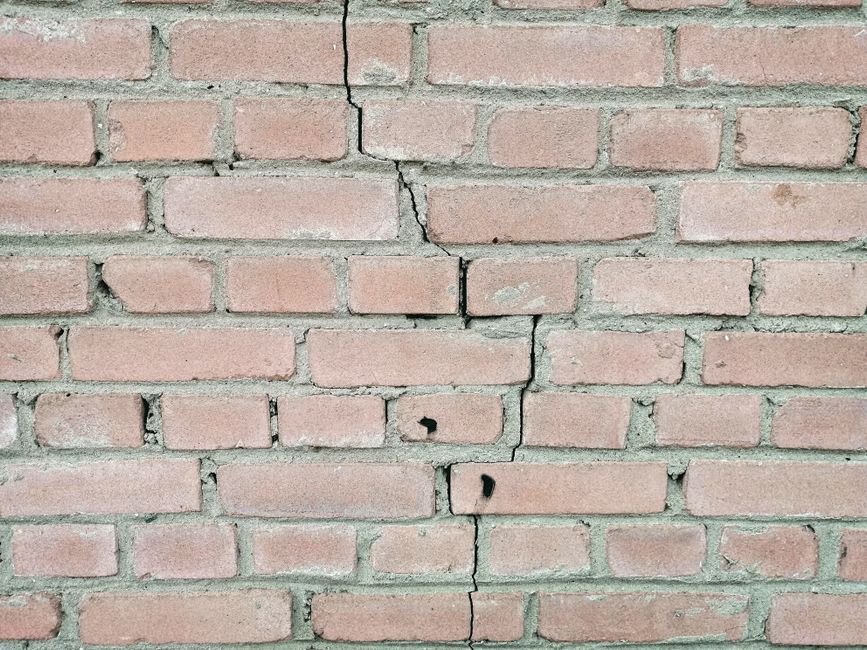
Your House Is Wearing Last Decade's Paint: The 2026 Guide to Exterior Painting in Indianapolis & Chicago
Here's the thing about exterior paint: it fails slowly, and then all at once. For years, you barely notice it. Then one spring morning you walk to the end of your driveway, turn around, and your house looks like it aged a decade overnight. The paint is chalking. There are bare wood patches under the eaves. The trim looks gray where it used to be white.
That's the moment most Indianapolis and Chicago homeowners call a painter - which is also the moment every good painter is already booked through July.
March is the right time to deal with this. Not because you can paint in March (you can't - not reliably), but because the best painters in both markets book out 6 to 8 weeks once the calendar flips to May. If you want a quality job done this spring, the window to get on someone's schedule is right now.
This guide covers everything you need: how to tell if your house actually needs painting, what a real exterior paint job entails, what it costs in Indianapolis and Chicago, and how to hire a painter who won't disappear after the check clears.
Does Your House Actually Need Painting?
Before you spend ,000 on new paint, make sure that's actually what your house needs. Exterior paint fails in predictable ways - here's what to look for:
- Peeling or bubbling: The most obvious sign. When paint loses adhesion, it peels in sheets. This is especially common under eaves, on south-facing walls, and anywhere moisture gets trapped.
- Chalking: Run your hand across the siding. If it comes back coated in a powdery residue, the paint's binder is breaking down. The surface is essentially eating itself.
- Fading: UV exposure bleaches pigment over time. If your home's color looks washed out - especially on south and west walls - the paint's UV protection is gone.
- Exposed wood: Any bare wood on your siding, trim, or fascia is actively absorbing moisture. Left alone, that becomes rot. Not a cosmetic problem anymore.
- Caulk gaps: Check around windows, doors, and anywhere trim meets siding. Dried-out or missing caulk lets moisture behind the siding. A paint job without re-caulking isn't a paint job - it's just color.
- The 10-year rule: Most homes in the Midwest need repainting every 7 to 10 years, depending on siding material and paint quality. If you can't remember the last time your house was painted, it's probably time.
If you're seeing two or more of these, you're past the "maybe" stage.
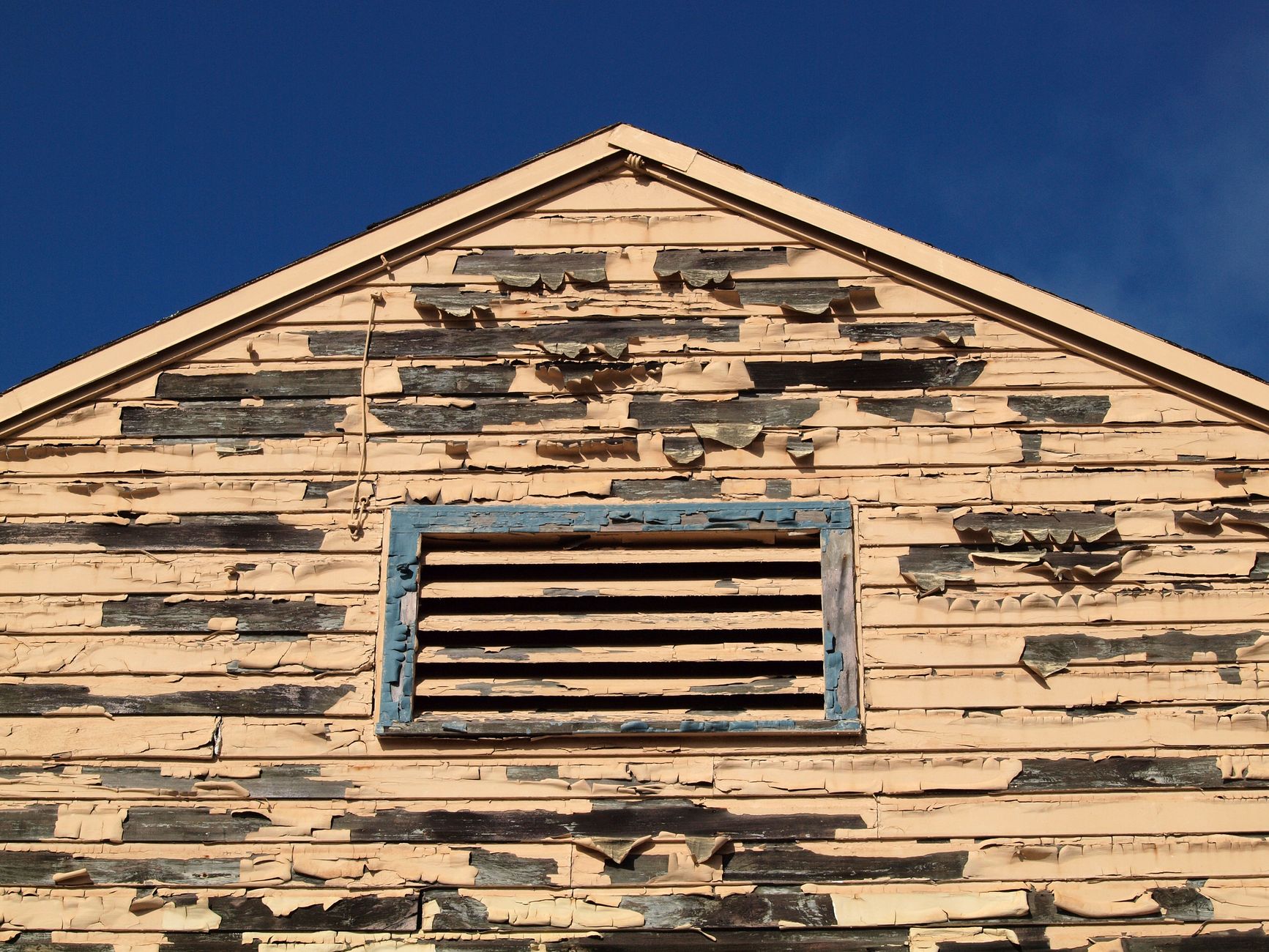
Peeling, flaking paint on an exterior wall is one of the most obvious signs it's time to repaint - and that extensive prep work will be needed before any topcoat goes on.
When Can You Actually Paint in the Midwest?
This is where a lot of homeowners get burned. They see a warm day in late March, call a painter, and end up with a job that peels within two years because the temperature requirements weren't met.
Latex paint - which is what most quality exterior jobs use today - requires temperatures above 50�F during application, and the surface must stay above 32�F at night for at least a few days after. That's the chemistry. You can't negotiate with it.
In Indianapolis, you're not reliably above those thresholds until mid-April at the earliest. Chicago typically runs two to three weeks behind. The practical painting window in both markets is May through September.
Here's the math that matters: if you call in May, the good crews are already booked. The ones still available are the ones who've been available all season - and there's usually a reason for that.
Book in March. Paint in May. That's how you get on the calendar of someone who actually knows what they're doing.
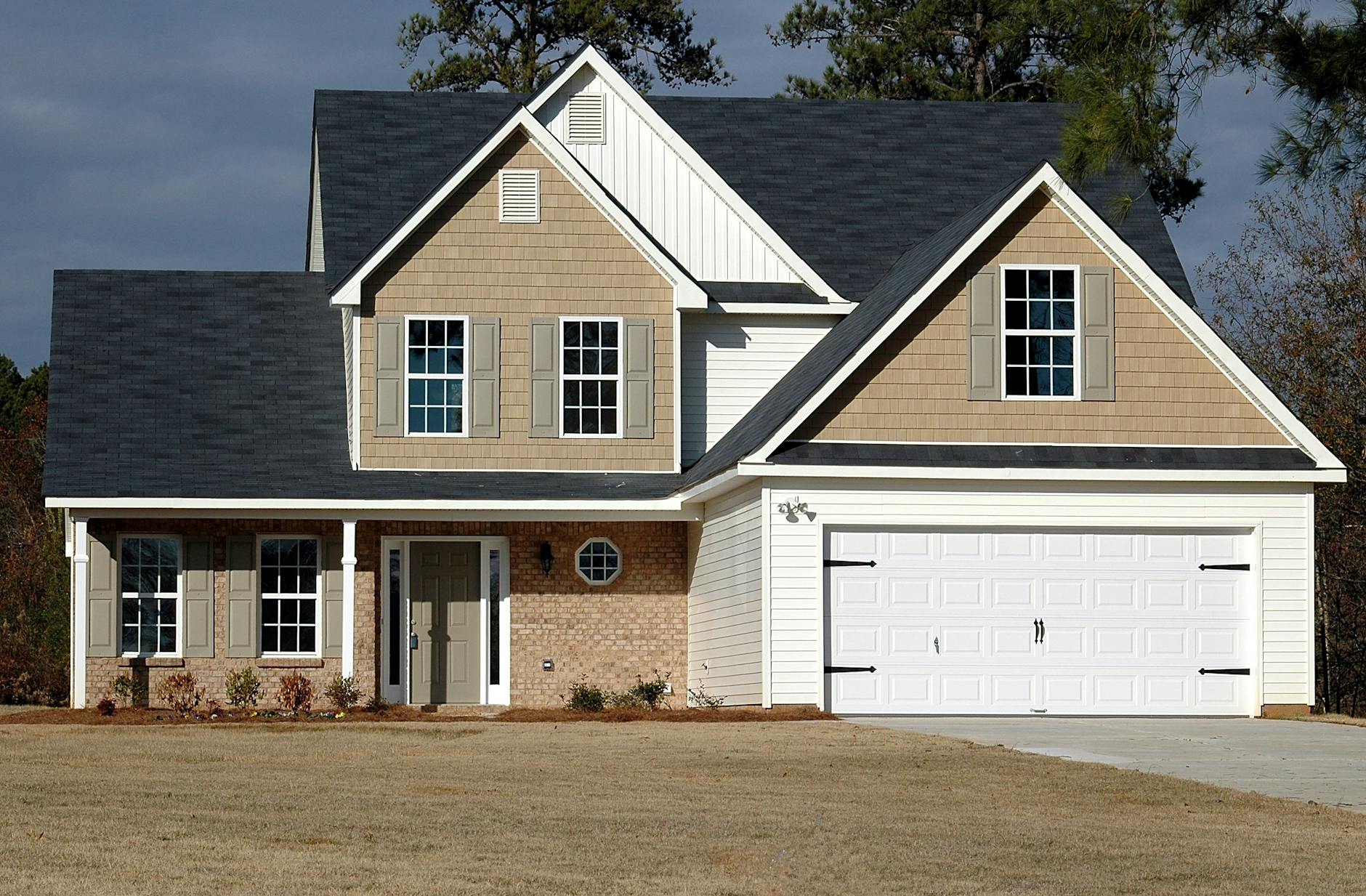
A typical Midwest two-story home has siding, trim, shutters, porch columns, and a garage door - all paintable surfaces that benefit from a coordinated spring paint project.
What a Real Exterior Paint Job Looks Like
The paint is the least important part of a paint job. That's not a typo.
Prep work - pressure washing, scraping, sanding, caulking, priming - is what determines whether your paint lasts 3 years or 10. The job that looks great on day one but peels by year three? It skipped prep. The job that holds up a decade in a Midwest climate? The crew spent 30 to 50 percent of their time before a drop of topcoat touched the surface.
Here's what the process looks like on a quality job:
- Pressure wash: Remove dirt, mildew, and chalk from the entire surface. The surface then needs to dry completely - typically 24 to 48 hours - before anything else happens.
- Scrape and sand: Any loose or peeling paint comes off. Rough edges get sanded smooth so new paint has a flat surface to bond to.
- Caulk all penetrations: Every gap around windows, doors, trim, vents, pipes, and electrical boxes gets fresh caulk. This is also moisture prevention - not just aesthetics.
- Spot prime (minimum) or full prime: Bare wood gets primed. On heavily weathered surfaces, the entire house gets primed before topcoat. Primer is what makes paint stick.
- Two coats of topcoat: Quality jobs use two coats. One-coat jobs are fine for a surface in good condition that was properly prepped. If a contractor is quoting you one coat on a house that hasn't been painted in 10 years, ask questions.
When you're getting quotes, ask specifically about each of these steps. A contractor who can't walk you through their prep process hasn't thought much about it - and your paint will show it.

A professional exterior paint crew works systematically - windows, shutters, and siding each get dedicated attention. Two-person crews can typically complete a single-story home in 2-3 days of active painting time.
What It Actually Costs in Indianapolis and Chicago
Cost ranges for exterior painting are wide because a lot of variables drive the price: house size, number of stories, siding type, condition of existing paint, and how much prep the surface needs.
Here's what the numbers look like in your market:
Indianapolis
- Typical range: ,931 to ,730 for a 2,150 sq ft home (2026 market data)
- Per square foot: .20 to .37, depending on condition and complexity
- Trim only: to per linear foot (for example, 200 linear feet of window casings and fascia boards adds - to the estimate)
Chicago
- Typical range: ,545 to ,388 (Chicago metro, late 2025 data)
- Premium over national average: 10 to 20 percent - Midwest climate demands better prep, weather-appropriate products, and tighter scheduling windows compared to sunbelt markets
What drives cost up
- Two-story or multi-story homes (more setup time, additional safety considerations for the crew)
- Heavy peeling or rot that requires extensive prep and wood repair
- Wood siding vs. vinyl (wood takes more prep and holds paint differently)
- Dark colors or full color changes (may require additional coats for uniform coverage)
- Complex trim - lots of window casings, decorative brackets, shutters, or columns
What drives cost down
- Good condition surface - less scraping, less priming needed
- Simple ranch or cape cod floor plan with minimal trim detail
- Vinyl siding in good condition
- Same or similar color (one fewer coat, lower material cost)
If a quote comes in dramatically below these ranges - say, ,500 for a full exterior on a two-story home - that's a red flag, not a deal. Something is being skipped.

Multi-story work adds significantly to project cost - ladder setup, extended reach equipment, and slower production rates all factor into the per-square-foot price for taller homes.
The Problem with Cheap Paint Jobs
Let's talk about what actually goes wrong when you hire on price alone.
The painter who quotes you ,800 on a house that three other contractors quoted at ,000 isn't doing the same job. They're skipping something - usually prep. Maybe they're using one coat instead of two. Maybe they're not priming. Maybe they're using bargain-bin paint that won't hold up through two Midwest winters.
You won't know for a year. Two years out, you'll start to see it. Three years later, you're calling another painter to redo the whole thing - and now you're paying twice.
Quality exterior paint, applied properly over a well-prepped surface, should last 7 to 10 years in a Midwest climate. A cheap job lasts 3 to 5 - and often less. Over a 10-year window, the "expensive" job almost always costs less.
The other problem with bottom-dollar painting: the people doing the work. Low-bid painting operations often rely on day labor with minimal experience and no stake in the quality of the finished product. They're not the ones who have to look at it in three years.
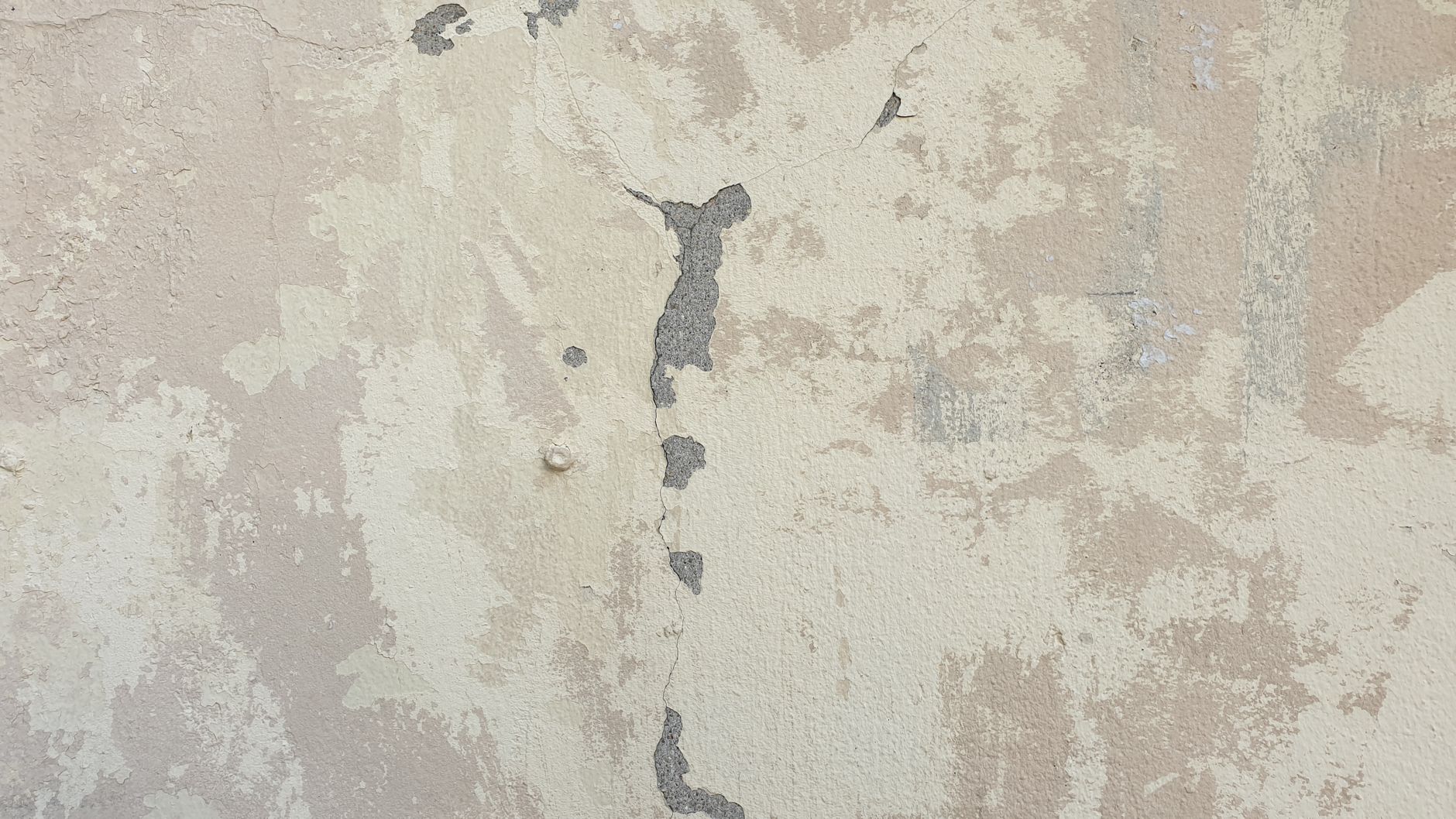
This is what a paint job without proper prep looks like after a few Midwest winters - multiple layers of paint peeling away, with cracks letting moisture directly into the substrate. Fixing this costs more than a quality job would have in the first place.
How to Hire a Painter You Can Trust
Getting three quotes is table stakes. Here's what actually matters when you're evaluating painters:
- Ask about prep - specifically. "Walk me through your prep process." A good painter will tell you exactly what they're doing and why. A bad one will give you a vague answer about "doing it right."
- Check the license and insurance. In Indiana, painting contractors should carry general liability insurance. Ask for the certificate before signing anything. If they can't produce it, pass.
- Get everything in writing. The quote should specify: number of coats, paint brand and product, prep steps, and what's included vs. not (trim? shutters? garage doors?).
- Ask for local references. Not Google reviews - actual names of people in Indianapolis or Chicago who had work done in the last 12 months. Call them. Ask specifically about how the prep was handled and whether there have been any issues since.
- Never pay 100% upfront. A reasonable deposit is 10 to 30 percent. Paying in full before work starts is how homeowners get ghosted.
- Check the paint brand. Sherwin-Williams, Benjamin Moore, Behr Marquee, PPG - these are professional-grade products. If a contractor is using generic store-brand paint and charging professional prices, that's a problem worth asking about.
The single best predictor of a quality paint job: a contractor who takes prep seriously enough to talk your ear off about it.

A good painter will walk you through the estimate line by line - prep steps, paint products, number of coats, and exactly what's included. If they can't explain it clearly, keep looking.
Ready to Lock In a Painter This Spring?
If your house is showing any of the signs we covered - peeling, chalking, fading, exposed wood - spring 2026 is the time to deal with it. The good news: you still have a window to book before the rush hits.
Get three quotes. Ask hard questions about prep. Check references. And don't let price be the only thing driving your decision on a job you'll be looking at for the next decade.

A licensed Indianapolis or Chicago painting contractor arrives with the right equipment — spray gear, proper PPE, and surfaces prepped to protect your home.
Saorr connects Indianapolis and Chicago homeowners with vetted local painting contractors. Get your quotes now while spring calendars are still open.
Find Trusted Pros Near You
Ready to start your project? Connect with vetted, top-rated contractors in your area.
Get Started