Garage Floor Epoxy Coating Guide — Midwest Spring 2026
Garage Floor Epoxy Coating Guide: What Midwest Homeowners Need to Know in 2026
Spring is the season Midwest homeowners finally tackle the garage floor — and for good reason. After months of road salt, snowmelt, and tracked-in grime, the slab is ready for a fresh start. But whether you're pricing out a professional polyaspartic system in Carmel or eyeing a $200 DIY kit from the hardware store, the choices are more complicated than they look on the label.
This guide covers everything: how to prep the surface the right way, which product actually holds up under Midwest conditions, what temperature and humidity do to your project, and what the job realistically costs from Columbus to Minneapolis. Whether you're doing it yourself or hiring out, here's what you need to know before a drop of resin hits the concrete.
Before You Coat Anything: Surface Prep Is Everything
Ask any professional floor coating contractor what separates a coating that lasts fifteen years from one that peels in two, and they'll say the same thing: prep. A beautiful topcoat on inadequately prepared concrete is just an expensive future problem.
Acid Etching vs. Diamond Grinding
There are two primary ways to open up concrete so a coating can bond properly.
Acid etching uses a muriatic or phosphoric acid solution to chemically roughen the surface. You apply it with a stiff broom, let it react, then rinse thoroughly. It's DIY-friendly, costs around $20 per gallon of etching solution, and works adequately for water-based epoxy kits on floors that are in good shape and have never been sealed.
Diamond grinding — sometimes called mechanical scarification — physically grinds the surface with an industrial floor grinder to create a rough profile that a coating can mechanically grip. It's significantly more effective, required for 100% solid epoxy and all polyaspartic/polyurea systems, and it's what every reputable professional contractor will use. Sandblasting achieves a similar result and typically runs $1–$5 per square foot for the prep work alone.
If you're paying for a professional installation and the contractor proposes acid etching only for a polyaspartic system, that's a red flag. Ask specifically how they plan to profile the floor.
Moisture Testing
Moisture trapped in or migrating through a concrete slab is one of the most common causes of coating failure. The test is simple: tape an 18-inch square of plastic sheeting to the floor, seal all four edges with tape, and wait 24 hours. If condensation forms on the underside of the plastic, you have a moisture issue.
Moisture problems aren't uncommon in Midwest homes — especially in low-lying areas of Indianapolis, Detroit's older neighborhoods, and Chicago's lakeside suburbs. The fix is a moisture barrier applied before the coating, which typically adds about $1 per square foot to the project cost. It's not optional. Coating over a wet slab will result in bubbling, delamination, and a floor that looks worse than when you started.
Crack and Chip Repair
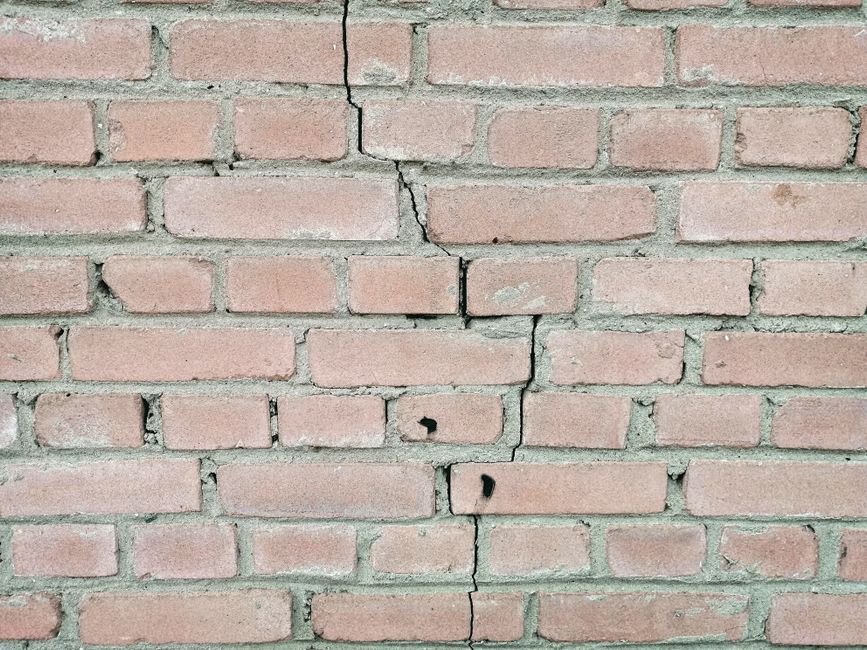
Before any coating goes down, every crack, chip, and spalled area needs to be addressed. Minor repairs — filling hairline cracks with epoxy filler or patching small chips — run $25–$250 for materials and labor. More significant spalling or multiple deep cracks can push repair costs to $500–$1,500.
One important note for Midwest homeowners: if cracks are caused by foundation movement rather than surface wear, foundation repair comes first. That's a $2,200–$7,800 problem that no floor coating can solve.
Assess your concrete in March or April after the last freeze, then let it go through a full spring thaw before you coat. Coating a slab that's still cycling through temperature changes is asking for problems.

Which Product Is Right for Your Garage?
The product landscape breaks down into four meaningful categories. They are not interchangeable.
DIY Water-Based Epoxy Kits
The $150–$300 kits at home improvement stores are water-based epoxy with a resin, hardener, and usually a bag of color flakes. They're DIY-friendly, roll on like paint, and work fine for light-use garages — tools, lawn equipment, maybe one car that doesn't drip fluids.
The honest tradeoffs: they're thin, they scratch, they yellow with UV exposure, and they last 1–3 years before you're doing it again. They're also temperature and humidity sensitive — more on that below. Budget-conscious homeowners and rental properties are the right market for these kits.
Professional Solvent-Based and 100% Solid Epoxy
Professional epoxy comes in two grades. Solvent-based epoxy ($40–$55/gallon in materials, $3–$12/sq ft installed) handles slightly cooler temperatures and higher humidity than water-based, which gives it a modest advantage in Midwest shoulder seasons. It lasts 5–10 years with proper maintenance. Note that solvent-based epoxy carries high VOCs — confirm local regulations in Illinois, Ohio, and Michigan before specifying it.
100% solid epoxy is the premium epoxy tier: up to $150/gallon in materials, up to 20 years of lifespan when properly applied, and significantly thicker coverage than water-based. The catch is that it requires fast, skilled application and is not suited to high-moisture environments — a real consideration for Midwest spring installs if moisture testing is skipped.
Professional Polyaspartic
Polyaspartic is the premium residential product, and the performance gap over DIY epoxy kits is dramatic. It's UV-stable (won't yellow), hot-tire resistant, and described by manufacturers as up to 20 times stronger than standard epoxy. Foot traffic is possible in two hours; vehicles can drive on it in 24 hours. A comparable epoxy floor requires 12+ hours before foot traffic and 72 hours before vehicles.
Installed cost runs $4–$9 per square foot, or $1,440–$3,240 for a typical two-car garage — roughly 20% more than standard epoxy. The significant limitation: it sets in 10–20 minutes after application begins. DIY is not practical. This is a professional-only product in real-world use.
Polyurea + Polyaspartic Combination
The gold standard for residential floor coatings is a polyurea base coat followed by a polyaspartic topcoat. The polyurea creates a commercial-grade bond to the concrete and an effective moisture barrier; the polyaspartic provides the durability and UV stability on top. Combined lifespan exceeds 20 years. This is the system to specify if you're in a home you plan to keep, you want a warranty, or you're in a larger suburban garage where the investment makes sense — a 600-square-foot three-car garage in Dublin or Naperville, for example, is an ideal candidate.

Application Conditions: Temperature, Humidity, and Dew Point
Getting the product right and the surface right is half the battle. The other half is choosing the right day.
Standard epoxy requires air and concrete surface temperatures between 50°F and 90°F, and relative humidity below 85%. Polyaspartic has a wider tolerance, but "more forgiving" doesn't mean "apply any time."
The critical detail that trips up Midwest DIYers: concrete retains cold much longer than the air above it. On a 60°F April afternoon in Indianapolis or Columbus, your garage slab may still be reading 45°F. Epoxy applied to a slab below 55°F won't cure properly — it'll look fine at first and fail later. Use an infrared thermometer to check the actual surface temperature, not the air temperature.
Dew point is equally important. If your concrete surface temperature is within 5°F of the dew point, moisture will condense on the surface as you work. Check the dew point before you start, not just the humidity percentage.
Best Midwest application windows:
- Mid-May through late June — frost risk is past in most Midwest markets by mid-May (Chicago average last frost: April 19; Columbus: April 21; Indianapolis: April 22; Detroit: May 2; Minneapolis: May 15). Concrete slab temps are rising. Humidity is manageable before the July–August peak.
- September through mid-October — humidity drops, concrete is warm from summer, temperatures are cooperative. Watch for early frost in Minneapolis, Detroit, and Milwaukee — October applications carry real risk after mid-month.
Windows to avoid: March and April (slab still cold, moisture risk from snowmelt), July and August (Midwest humidity regularly exceeds 85% RH — the limit for standard epoxy), and November through February for obvious reasons.
For Chicago's north shore and lakeside suburbs — Evanston, Wilmette, Lake Forest — lake-effect humidity can spike in May and early June even when inland conditions look fine. Check a 3-day forecast before scheduling and ask contractors about polyaspartic or solvent-based epoxy systems that tolerate higher humidity.

How Many Coats, and How Long Does It Take to Cure?
A professional floor coating installation is typically a three-day process: a prep day, a coating day, and a sealing/topcoat day. That timeline accounts for why labor can represent up to 65% of total project cost — contractors aren't just rolling paint for an afternoon.
Most professional systems involve a minimum of two coats: a base coat and a topcoat or sealer. Premium installations add a mid-coat or broadcast layer for color flakes between the base and topcoat. DIY kits typically apply in one or two thin coats.
Cure time by product:
- Water-based epoxy (DIY kit): Foot traffic in 12–24 hours; vehicles after 72 hours; full cure at 7 days
- Professional epoxy: Similar to DIY — foot traffic in 12+ hours; vehicles at 72 hours; full cure at 7 days
- Polyaspartic: Foot traffic in 2 hours; vehicles in 24 hours; full cure in 1–7 days depending on product
Factor cure time into your project scheduling. If your garage is your only parking option and rain is forecast, a Wednesday prep day and Thursday coating day puts you back in the garage Friday evening with a polyaspartic system — but not with a standard epoxy.

How Long Does Each Product Last?
| Product | Expected Lifespan | Notes |
|---|---|---|
| Water-based epoxy (DIY kit) | 1–3 years | Recoat every 1–3 years; UV yellowing common |
| Solvent-based epoxy (pro) | 5–10 years | Inspect annually; recoat at first signs of wear |
| 100% solid epoxy (pro) | Up to 20 years | Minimal maintenance; sweep and occasional mild cleaning |
| Polyaspartic (pro) | 15–25+ years | UV stable; hot-tire resistant; retains color and gloss |
| Polyurea + polyaspartic combo | 20+ years | Commercial-grade longevity; best moisture resistance |
What shortens any coating's life in the Midwest: poor surface prep (by far the most common failure point), applying outside the temperature and humidity window, freeze-thaw damage to underlying concrete before coating, and road salt accumulation tracked in on vehicles throughout winter. What extends it: diamond grinding prep, a proper topcoat or sealer, and prompt spill cleanup.

What This Costs in the Midwest
The national average for a professionally installed epoxy floor coating is $2,441, with a typical range of $1,595–$3,337 for a standard two-car garage. (based on industry cost surveys, 2024–2025) Polyaspartic runs about 20% above that.
Urban vs. Suburban vs. Rural
| Markets | Installed Range (avg. 2-car garage) | Notes |
|---|---|---|
| Chicago metro, Detroit | $1,685–$3,000+ | Union labor adds 15–30% premium; older concrete increases prep scope; lake-effect humidity adds scheduling complexity |
| Columbus, Indianapolis, Milwaukee, Minneapolis | $1,550–$2,600 | Near national average; open-shop labor markets; competitive bidding environment |
| Naperville, Carmel, Dublin, Livonia (suburbs) | $1,700–$2,800 | Premium suburban market; homeowners buy up to polyaspartic; larger 3-car garages attract more contractor competition |
| Rural Indiana, rural Ohio, rural Michigan | $1,400–$2,200 (where available) | Fewer specialty contractors; 4–8 week lead times common; DIY more prevalent by necessity |
The suburban sweet spot is real: a homeowner in Naperville or Carmel with a three-car garage (~600 sq ft) is an attractive job for professional contractors. More square footage means better margins; more competing contractors means more competitive bids. A premium polyaspartic system in a three-car suburban garage typically runs $2,500–$4,500 — and it's the install most likely to come with a multi-year warranty.
Outside the metro ring in rural Indiana, Ohio, or Michigan, expect longer lead times and fewer competing quotes. Some rural homeowners can't get a professional quote at all and default to DIY kits — which works for light-use garages if the timing and prep are done right.
Local Factors That Affect Your Quote
Freeze-thaw cycles and concrete spalling. Midwest winters don't just inconvenience homeowners — they damage concrete. Water infiltrates micro-cracks, freezes, expands, and widens those cracks in a cycle that repeats dozens of times per winter. By spring, many slabs have surface spalling that requires repair before any coating can be applied. The older the housing stock, the more pronounced this tends to be: pre-1980 homes in Detroit, Cleveland, and Chicago's south and west sides often have significantly more surface damage than newer construction in Columbus suburbs or Indianapolis's Carmel and Fishers ring. Budget a repair line item and ask your contractor to assess crack depth and cause before quoting.
Road salt degreasing requirements. De-icing salt tracked in on vehicles all winter is corrosive to concrete and will compromise adhesion if not removed properly. A spring rain-rinse is not sufficient. Professional prep includes commercial-grade chemical degreasing followed by mechanical scarification — that's additional labor compared to a comparable job in a Sun Belt market where this isn't a factor. Contractors in Chicago, Milwaukee, and Minneapolis who know Midwest concrete will build this into their process. Those who don't are cutting corners.
Spring humidity windows in the Great Lakes and Ohio River Valley. The application windows are narrower than they look on a calendar. Chicago's lakeside suburbs can experience humidity spikes well into May and early June from lake-effect conditions. The Ohio River Valley — including Cincinnati and Louisville, and extending north toward Columbus — sees elevated spring humidity that can push RH above the 85% threshold for standard epoxy. Contractors in these markets should be able to articulate their humidity protocols; if they can't, ask specifically whether they use a polyaspartic or solvent-based system in high-humidity conditions.
Labor market structure. Chicago metro operates under significant union labor density, which drives installed costs 15–30% above the national average. Indianapolis and Columbus are predominantly open-shop markets with more competitive bidding. Detroit sits between the two. If you're in the Chicago metro and a quote comes in well below $1,600 for a professional install, ask hard questions about who's doing the work and what products they're using.

DIY vs. Hiring a Pro: Making the Call
DIY makes sense when you have a light-use garage, a tight budget, patience for proper prep, and realistic expectations about lifespan. A motivated DIYer with a $150–$300 water-based epoxy kit and a willingness to follow the etching and drying instructions can get a serviceable floor that lasts 2–3 years. The biggest risk in the Midwest is rushing the timing — applying before the slab has fully warmed after winter is the most common DIY failure mode.
Hire a professional when:
- You want polyaspartic or polyurea systems — the 10-minute working time makes DIY genuinely impractical
- Your floor has significant freeze-thaw damage that needs professional diagnosis
- You want a warranty (most professional installers offer 5–10 year coverage)
- You're preparing to sell — a professional polyaspartic floor performs substantially better in buyer perception than a DIY kit, and the cost difference is modest relative to home value in suburban markets like Dublin, Carmel, or Livonia
- Your garage is a 3-car or larger space where the economics of professional installation are more favorable

What to Ask a Contractor Before You Sign
Not all contractors who offer floor coatings have equivalent knowledge of Midwest conditions. These questions will sort the experienced from the order-takers:
- "How do you determine if the slab is ready to coat?" The right answer includes moisture testing, surface temperature check (not just air temp), and dew point assessment. A calendar date is not an answer.
- "What prep method do you use — acid etch or mechanical grinding?" For any professional-grade system, the answer should be mechanical grinding or scarification.
- "What product system are you proposing, and why?" A contractor who can explain the tradeoffs between epoxy and polyaspartic for your specific use case (vehicle weight, chemical exposure, desired lifespan) is giving you a real recommendation, not a price-point upsell.
- "How do you handle freeze-thaw crack damage?" Midwest-specific. If they haven't thought about this, they haven't done many Midwest winter-to-spring jobs.
- "What does your warranty cover, and for how long?" Get this in writing. Adhesion failures caused by improper prep should be covered; failures caused by foundation movement typically aren't.
- "Can I see photos of completed jobs on similar concrete?" A contractor who works regularly in your market should have examples of Midwest slab conditions similar to yours.
Get a minimum of three quotes. In Indianapolis and Columbus, competitive bidding is robust and prices move. In Chicago, expect more variation — union and open-shop contractors operate in the same market and quote differently.

Ready to Get Your Garage Floor Done Right?
A garage floor coating is one of the highest-return improvements a Midwest homeowner can make — but only when it's done with the right product, the right prep, and the right timing for your climate. The difference between a floor that lasts three years and one that lasts twenty-five is almost entirely in decisions made before the first coat goes down.
Saorr connects Midwest homeowners with vetted local contractors who know how to work with your concrete, your climate, and your budget. Whether you're in Carmel or Columbus, Naperville or Milwaukee, get matched with a professional who can assess your slab and give you a real quote — not a national average.
Get contractor quotes through Saorr →

Find Trusted Pros Near You
Ready to start your project? Connect with vetted, top-rated contractors in your area.
Get Started