Hardwood Floor Refinishing Guide — Midwest 2026
Hardwood Floor Refinishing Guide for Midwest Homeowners — 2026
Hardwood floors can last a lifetime — but only if you refinish them before the damage goes too deep. If you live in a pre-war bungalow in Detroit's Rosedale Park, a craftsman in Cleveland Heights, a German Village rowhouse in Columbus, or a mid-century ranch anywhere in the Midwest, there's a good chance you're walking on floors that have decades of life left in them. You just need to know when to act, what your options are, and what it's going to cost.
This guide covers everything: when to refinish versus replace, the difference between a full sand and a screen-and-recoat, which finish type is right for your home, what professional contractors charge across major Midwest markets in 2026, and how to decide whether this is a DIY weekend project or a job for the pros.
When to Refinish — and When to Replace
The single most important question before you do anything is whether your floors are actually refinishable. Not every floor is a candidate.
Refinish if you see:
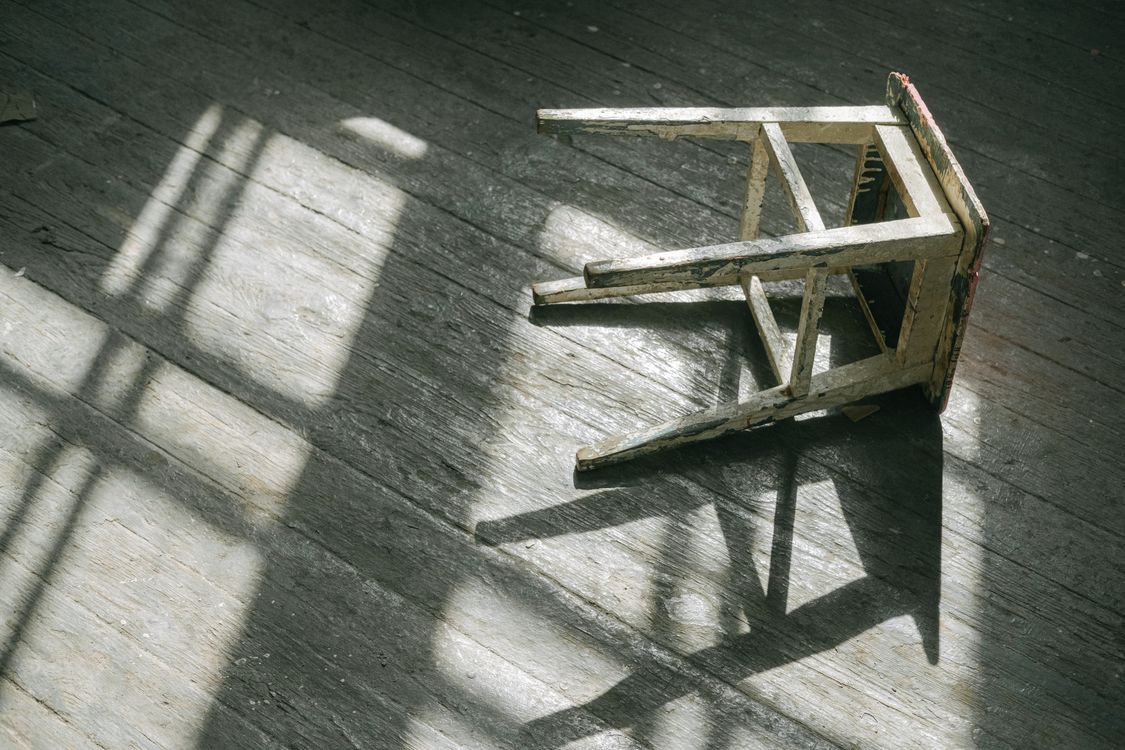
- Visible deep scratches or gouges that haven't reached the subfloor
- Gray or black discoloration from moisture or pet accidents (surface-level)
- The finish wearing through to bare wood in high-traffic areas like hallways or in front of the kitchen sink
- Fading, dullness, or inconsistent color across the floor
- Minor cupping (boards curving slightly at the edges) — though you must fix the moisture source first before refinishing
- Splintering on the surface layer
Replace if you see:
- Structural damage — boards that flex, squeak badly, or have rotted through
- Active moisture problems that haven't been resolved
- Boards that are too thin to sand again — this matters most with engineered hardwood, where the veneer layer is typically 1.5mm to 4mm thick. Each full sanding removes roughly 1/32" of material. Verify veneer thickness before booking a contractor.
- Damage so widespread that board replacement would cost more than new flooring
Solid hardwood floors can typically be fully sanded three to five times over their lifetime, making them one of the most durable flooring investments you can make. The 1920s and 1930s red oak floors common throughout Detroit, Cleveland, and Columbus are prime candidates — most have never been sanded more than once or twice.
Full Sanding vs. Screen-and-Recoat: Know the Difference
These are not the same thing, and choosing the wrong one wastes money or fails to solve the problem.
Screen-and-Recoat
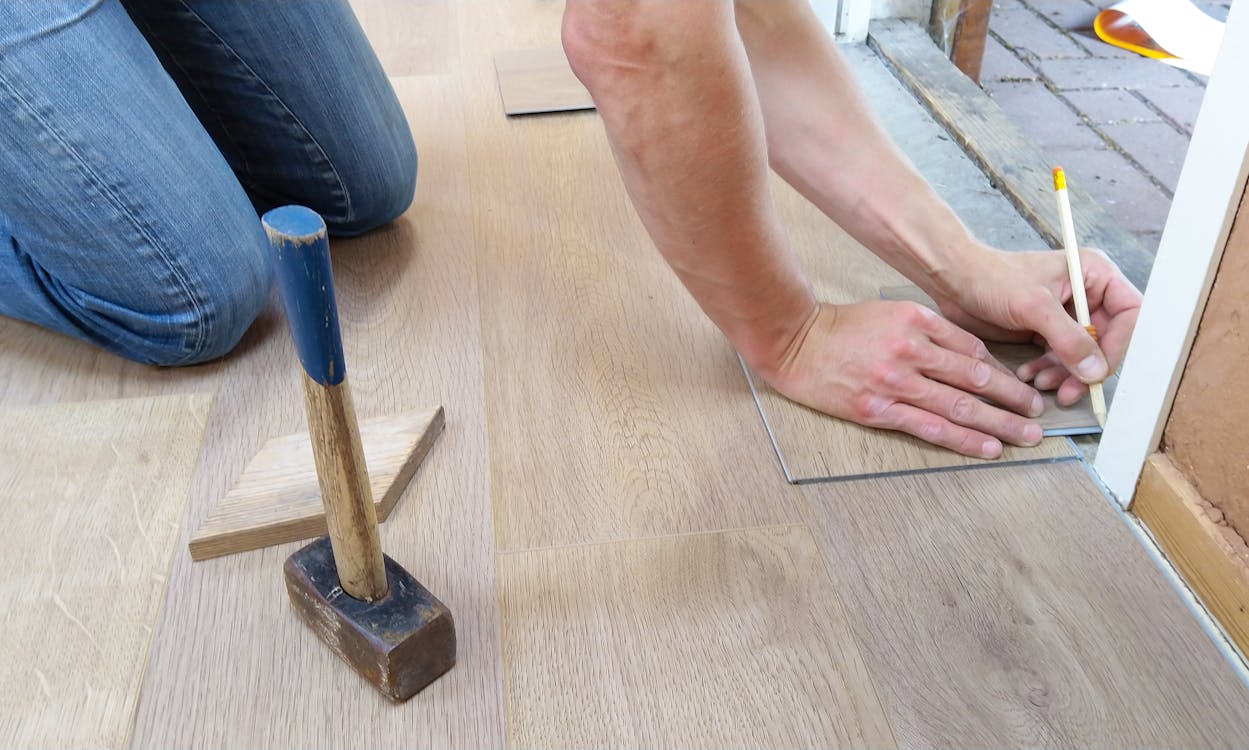
A screen-and-recoat is a maintenance treatment, not a restoration. A contractor uses a buffer with an abrasive screen to lightly scuff the existing finish, then applies a fresh topcoat over it. No drum sander. No stain change. No getting down to bare wood.
Cost: $1 – $2 per square foot
Best for: Floors that look dull or have minor surface scratches, but have no deep physical damage. Good as a refresh between full refinishes — typically every 3 to 5 years in high-traffic areas.
Screen-and-recoat won't fix gouges, won't remove stains that have penetrated the finish, and can't change the floor color. If your floors qualify, it's the most affordable way to extend their life.
Full Sand and Refinish
Full refinishing uses a drum sander to strip the existing finish entirely — down to bare wood — before staining and recoating. This is the method that transforms a floor.
Cost: $3 – $8 per square foot (traditional); $5 – $8 per square foot (dustless method)
Best for: Deep scratches, pet staining that has penetrated the finish, floors that need a color change, boards that have cupped or show uneven wear, or floors that simply haven't been touched in 10+ years.
The dustless method uses vacuum-equipped sanders and costs a moderate premium, but it's worth considering for occupied homes, open floor plans, or anyone with allergies or young children. It's increasingly popular in Chicago's urban condos and Columbus's Short North rowhouses where contained living spaces make traditional sanding genuinely disruptive.
Choosing Your Finish Type

Once the wood is bare, you have real choices to make. The finish affects durability, appearance, dry time, and how the floor ages.
Oil-Based Polyurethane
The most common choice in Midwest homes, and for good reason. Oil-based poly is exceptionally durable, widely understood by local contractors, and it develops a warm amber tone over time that complements the natural oak and hard maple floors found in homes built between 1900 and 1970. It's the default in Detroit, Cleveland, and Cincinnati renovation projects.
Material cost: $20 – $45 per gallon
Dry time between coats: ~24 hours
Cure time (full hardness): 3 – 7 days
Watch out for: Strong fumes during application; the amber hue shifts color slightly, which can be a surprise on very light woods.
Water-Based Polyurethane
Water-based poly dries faster, stays clear (no amber shift), and has lower VOC emissions. It's gaining ground in urban renovations — particularly in Milwaukee's Riverwest bungalows and Columbus's Italian Village — where lighter, modern aesthetics are the goal and faster reoccupancy matters.
Material cost: $25 – $55 per gallon
Dry time between coats: 2 – 4 hours
Cure time: 24 – 48 hours for light traffic; up to 7 days for full hardness
Watch out for: Slightly less durable than oil-based in high-traffic areas; more coats typically required.
Hard Wax Oil
Hard wax oil penetrates the wood rather than forming a surface film, giving floors a natural, low-sheen look that's popular in high-end renovations and European-style interiors. It's particularly well-suited for white oak, walnut, and reclaimed wood floors.
Material cost: $70 – $550 per gallon depending on brand and formulation (most mid-range options run $120–$200)
Best for: Premium hardwoods, design-forward renovations, situations where spot repair is likely
Trade-off: Requires more maintenance and periodic reapplication; not as protective in heavy-wear areas as polyurethane.
Sheen Level
Regardless of finish type, you'll choose a sheen: matte, satin, semi-gloss, or high-gloss. Satin is the dominant choice in Midwest homes — it strikes a practical balance between aesthetics and hiding daily wear. High-gloss shows every footprint and scratch; it's a maintenance commitment most homeowners underestimate.
Number of Coats and the Drying/Curing Timeline

Two to three coats is standard for a full refinish. The process typically looks like this:
- Day 1: Sanding, staining (if desired), first coat of finish
- Day 2: Light screening between coats; second coat applied
- Day 3 (if three coats): Final coat applied
- 24 hours after final coat: Floors can be walked on in socks
- 48–72 hours: Furniture can be moved back in (with felt pads)
- 7–14 days: Full cure — avoid rugs, heavy furniture dragging, and washing the floors until this point
Oil-based finishes take longer to dry between coats but are more forgiving in humid conditions. Midwest winters present a real challenge: forced-air heating drops indoor humidity dramatically, which can cause finish to cure improperly and boards to contract. The ideal window for refinishing in the Midwest is late spring (May–June) or early fall (September–October), when indoor humidity stays in the 35–55% range. Avoid scheduling in January or February if you can help it — spring is peak season for a reason.
Dust Containment

Even with a skilled contractor, full sanding generates significant dust. Here's what to expect and how to prepare:
- Standard method: The room should be sealed off with plastic sheeting over doorways, HVAC vents closed or covered, and all furniture removed. Dust will still escape to some degree.
- Dustless method: Contractors use vacuum-connected sanders that capture the vast majority of dust at the source. It costs a premium ($5 – $8/sq ft versus $3 – $8 standard) but is the right call for occupied homes, finished basements with open ceilings, or anyone with respiratory issues.
- DIY dust control: Rent a drum sander and a separate shop vac with a fine-filter attachment. Take the time to seal every door gap and vent — floor sanding dust is extremely fine and spreads through an entire house faster than you'd expect.
Pets and Furniture: What to Plan For

Pets and fresh finish do not mix. Oil-based polyurethane fumes are toxic to birds and can irritate dogs and cats. Plan on removing pets from the home during application and for at least 24–48 hours after the final coat, with good ventilation before reintroduction. Families with young children should apply the same precaution, particularly with oil-based finishes.
For furniture: everything must come out of the room. Some contractors include furniture moving for small rooms; others charge $50 – $200 depending on volume. Large pieces like pianos require professional movers — coordinate this separately. When moving furniture back in after 48–72 hours, use felt pads on all legs and slide carefully. The finish continues to cure for up to two weeks; dragging furniture before full cure will leave marks.
Area rugs should stay off the floor for at least two weeks. Placing rugs over a curing finish traps off-gassing and creates soft spots in the finish layer.
What Hardwood Floor Refinishing Costs in the Midwest — 2026
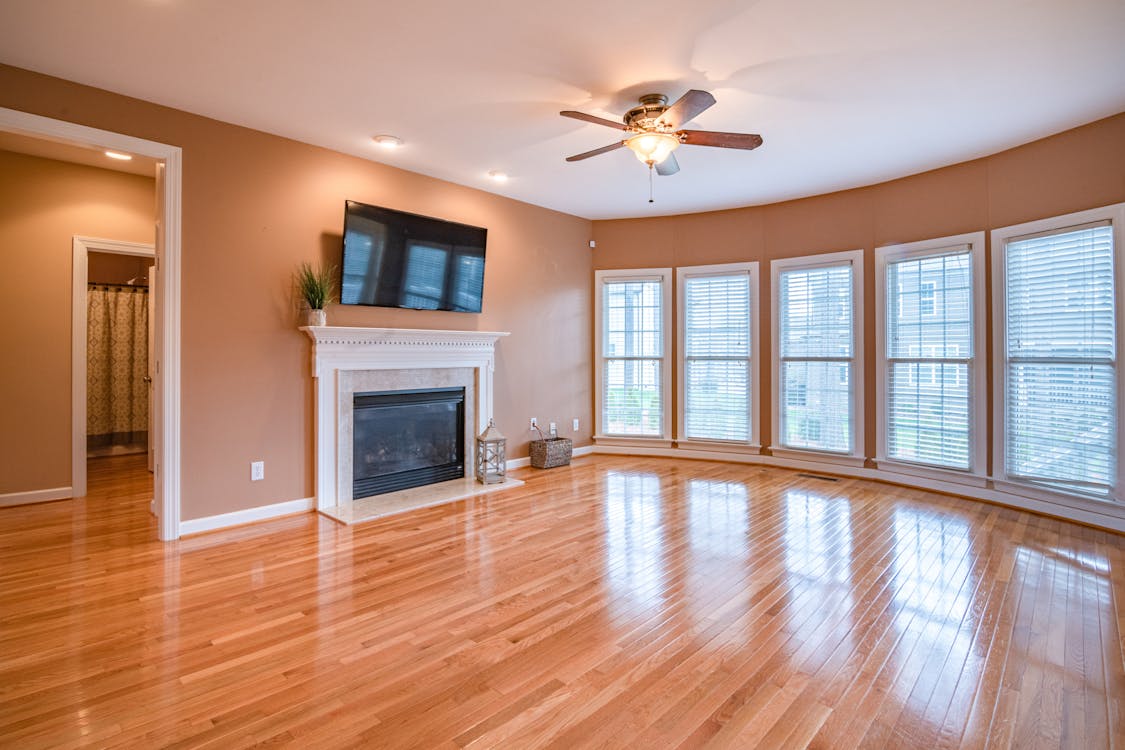
The national average for a full hardwood floor refinish runs $1,869, with most projects landing between $1,098 and $2,653 (Bob Vila, updated May 2024; based on 2024 industry data — actual 2026 costs may vary). Per-square-foot costs range from $3 – $8 for traditional refinishing and $5 – $8 for dustless methods.
Midwest markets vary based on union density, local labor rates, and housing stock age. Using national cost data adjusted for regional BLS labor benchmarks, here's how the major Midwest markets break down for a 1,000 square foot project. Note: Minneapolis (MN) and St. Louis/Kansas City (MO) are included for regional reference; Saorr currently serves Indiana, Ohio, Michigan, Wisconsin, and Illinois.
| Markets | Estimated Project Cost (1,000 sq ft) | Notes |
|---|---|---|
| Chicago, Minneapolis | $4,200 – $9,500 | Union labor premium, higher material costs, permit overhead in historic districts |
| Detroit, Milwaukee, Columbus, Indianapolis | $3,200 – $7,500 | At or near national average; competitive contractor market |
| Cleveland, Cincinnati, St. Louis, Kansas City | $2,800 – $6,500 | Most competitive Midwest pricing; price-sensitive consumer market keeps rates in check |
Note: Chicago is the only Midwest market with a directly sourced per-square-foot figure ($2.30 – $6.90/sq ft, Bob Vila). Other market ranges are estimated from BLS regional labor differentials applied to national cost data. Actual quotes will vary by contractor, floor condition, finish type, and scope.
Suburban vs. Urban Pricing
The metro vs. suburb dynamic plays out differently in each market:
- Chicago proper vs. western suburbs: Chicago's union labor rates are the highest in the Midwest. In Naperville, Aurora, or Joliet, contractors may be 10–20% less expensive — but demand in affluent western suburbs is high enough to keep prices competitive. Budget similarly unless you find a smaller independent contractor.
- Detroit vs. Ann Arbor/Dearborn: Ann Arbor commands a premium driven by the university renovation market. Detroit proper is more price-competitive, though contractor availability varies considerably by neighborhood. The inner-ring suburb belt — Livonia, Dearborn, Royal Oak — is the sweet spot for value and contractor availability.
- Columbus urban core vs. Dublin/Westerville: German Village, Clintonville, and Short North homes from the 1920s–1940s drive steady urban demand and have contractors who specialize in older stock. Dublin and Westerville suburban homes, built largely post-1990, often have less original hardwood — more engineered flooring that limits refinishing options.
- Indianapolis urban core vs. Carmel/Fishers: Carmel and Fishers are entering a refinishing boom as mid-2000s homes hit the 15–20 year mark. Urban Indy has older stock and a well-established contractor base. Both submarkets are competitively priced given low union density statewide.
Rural Availability and Costs
If you're outside a major metro — rural Indiana, rural Ohio, northern Michigan, or small-town Wisconsin — expect a different experience entirely. Specialty floor refinishing contractors are scarce in rural markets. Most homeowners in these areas are served by general contractors who handle refinishing as one of several services, which can mean inconsistent results on older, more delicate floors.
Lead times in rural markets run 4–8 weeks versus 1–2 weeks in metro areas, particularly in spring. And counterintuitively, rural projects sometimes cost more despite lower regional wages — contractors traveling from the nearest metro charge for drive time and fuel, and equipment rentals may require a trip to the nearest big-box store in a larger town. DIY is more common in rural areas for exactly this reason, and it's a reasonable option for straightforward projects on uncomplicated floors.
DIY vs. Hiring a Pro

| DIY | Professional | |
|---|---|---|
| Cost | ~$500 – $700 | $1,098 – $2,653 (national average) |
| Skill level required | Intermediate — not for beginners | N/A |
| Time | Multiple days; physical labor | 1 – 3 days typical |
| Quality risk | High — drum sander damage is irreversible | Low; insured work |
| Equipment | Drum sander rental, edger rental, poly, stain, tape, plastic, PPE | Contractor provides everything |
| Dust control | DIY containment only — very dusty | Dustless option available ($5 – $8/sq ft) |
DIY hardwood refinishing is achievable, but the margin for error is narrower than most home improvement tutorials suggest. A drum sander left stationary with the drum down for even a few seconds can gouge the wood deeply enough to require board replacement. Before tackling the main floor, practice technique in a closet or low-visibility area.
The general DIY process: remove furniture and pull quarter-round molding; seal the room with plastic; sand progressively (40 → 60 → 100 grit with the drum sander; edge along walls with an edger; scrape corners by hand); vacuum and wipe with a tack cloth; fill gaps with wood filler if needed; apply finish in 3–4 foot sections working with the grain; screen lightly between coats; apply 2–3 total coats.
For most Midwest homeowners with older floors and no prior experience, hiring a pro is the lower-risk path — especially when the floors are original hardwood with no replacement option available locally. The cost difference narrows further when you factor in rental fees, materials, and your time across multiple days.
Permit Requirements

Good news: in almost every Midwest municipality, hardwood floor refinishing does not require a permit. It's classified as cosmetic maintenance, not structural work.
The exception is homes in historic districts. If your property is in a designated historic district — such as Cleveland Heights, Detroit's Corktown, Columbus's German Village, or Chicago's various Landmark Districts — some municipalities require notification or approval before interior alterations, including finish changes. Requirements vary by city and district designation. When in doubt, a quick call to your local building department before scheduling work takes five minutes and eliminates any risk.
For whole-house projects in older homes, contractors will also sometimes pull a general home improvement permit as a precaution. Ask your contractor whether they permit their work and confirm your city's requirements if you're in or near a historic overlay zone.
Find a Qualified Hardwood Floor Refinisher Through Saorr

Knowing what your floors need is half the battle. Finding a contractor you can trust to do the work well — on time, at a fair price — is the other half. That's what Saorr is built for.
Saorr connects Midwest homeowners with vetted, reviewed local contractors across Indiana, Ohio, Michigan, Wisconsin, and Illinois. Whether you're in Columbus looking for someone who specializes in German Village bungalows, in Detroit's inner-ring suburbs needing a contractor familiar with 1940s hardwood, or in rural Ohio trying to find anyone within a reasonable radius — Saorr can match you with the right pro for the job.
Stop sorting through unfiltered search results and contractor sites with no accountability. Post your project on Saorr, describe your floors, and get connected with local hardwood floor refinishers who have real reviews from real homeowners in your area.
Find Trusted Pros Near You
Ready to start your project? Connect with vetted, top-rated contractors in your area.
Get Started