How to Vet a Contractor (And What to Do If You've Been Scammed)
According to a JW Surety Bonds study (2023), 1 in 10 Americans has been scammed by a contractor. The average loss? $2,426 per victim. And that's just the people who admit it — the real number is almost certainly higher.
Here's the thing: hiring a contractor shouldn't feel like gambling. But if you don't know what to look for, that's exactly what it is. You're handing someone thousands of dollars and hoping they do what they promised.
Let's fix that. Whether you're hiring your first contractor or recovering from a bad experience, this guide covers everything — the red flags, the vetting process, the right questions to ask, and exactly what to do if things go sideways.

Red Flags and Contractor Scams to Watch For
Not every bad contractor is running a scam. Some are just disorganized or in over their head. But these warning signs tend to show up before real damage happens — if you know where to look.
1. They show up uninvited. Door-to-door contractors who "happened to notice" your roof needs work are a classic setup. Legitimate contractors have enough business that they're not cold-knocking neighborhoods.
2. They want a huge deposit upfront. Asking for 50%+ before any work starts is a major red flag. According to Angi and AARP, standard deposits should be no more than 20–33% of the total project cost. Anything more, and you're funding their other projects — or their disappearance.
3. No written estimate or contract. If someone balks at putting things in writing, walk away. A handshake deal gives you zero legal protection. Period.
4. They pressure you to decide now. "This price is only good today" is a sales tactic, not a legitimate business practice. Good contractors know their work speaks for itself and you need time to compare.
5. They can't provide a license number. Every licensed contractor has a number you can verify online. If they dodge this question or say they "don't need one," that's your answer.
6. They only accept cash. Cash-only means no paper trail. It also means no chargeback option if they disappear. Credit cards and checks create accountability.
7. No physical business address. A P.O. box or just a phone number isn't enough. If you can't find where they actually operate, you can't find them when something goes wrong.
8. Their online presence is thin or brand new. A contractor with zero reviews, a website registered last month, and no social media history hasn't earned your trust yet.
9. Their quote is suspiciously low. If one bid comes in way below the others, that's not a deal — it's a warning. Low-ball quotes often lead to corners cut, cheap materials substituted, or a half-finished project.
10. They show up right after a storm. So-called "storm chasers" flood disaster areas offering fast, cheap repairs. According to the National Insurance Crime Bureau (NICB), post-disaster fraud accounted for an estimated $9.3 billion in losses in 2023. If someone knocks on your door after a major weather event, be especially cautious — get multiple quotes and verify everything before signing.
The Vetting Checklist: 11 Steps Before You Sign
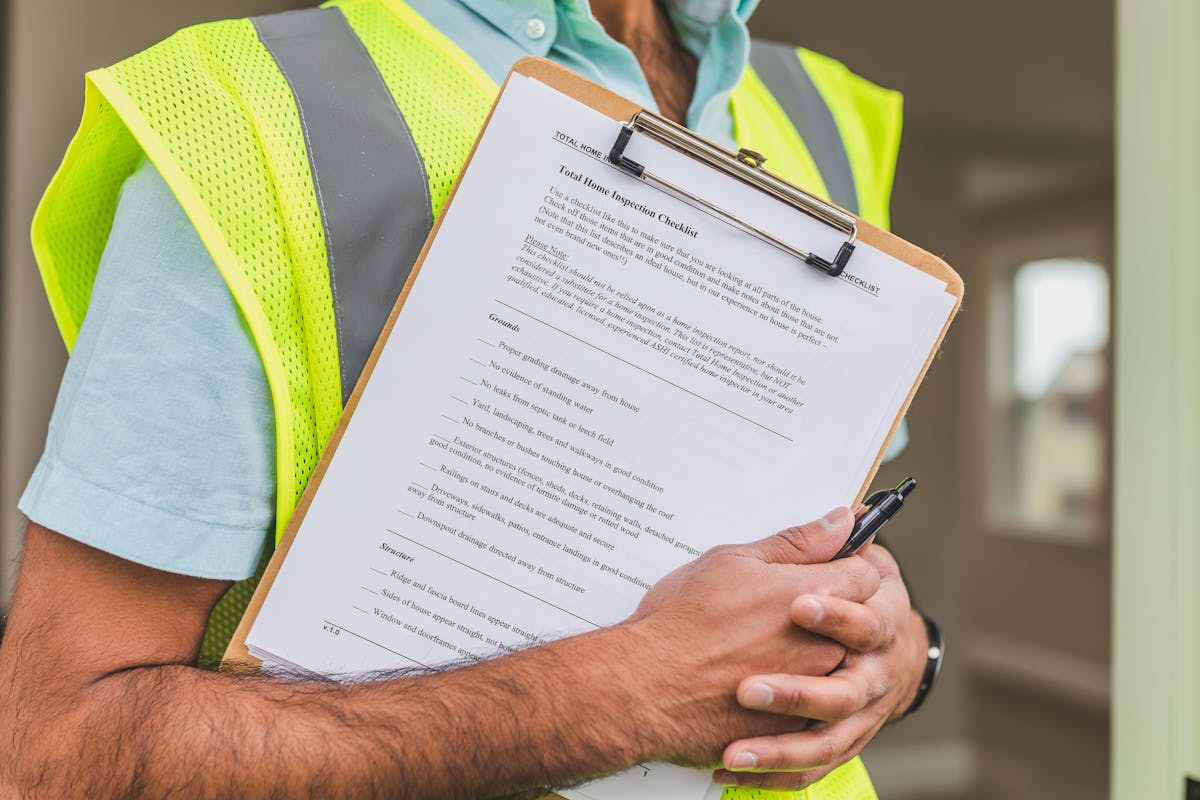
Before you sign anything, run through every one of these:
1. Verify their license. Go to your state's contractor licensing board website and search their name or license number. Don't take their word for it. (You can find your state's board through the NASCLA directory.)
2. Confirm insurance coverage. Ask for a certificate of insurance — both general liability and workers' compensation. Call the insurance company directly to confirm it's active.
3. Verify their bond. Ask for their surety bond number and the issuing company, then contact the surety company to confirm it's active. Surety bonds protect you financially if the contractor fails to complete the work or violates the contract. Bond requirements vary by state — California, for example, requires a $25,000 contractor bond.
4. Check the BBB. Look them up on the Better Business Bureau. Pay attention to complaint patterns, not just the letter grade. A company with 20 resolved complaints tells a different story than one with zero.
5. Read reviews across multiple platforms. Check Google, Yelp, Angi, and Facebook. Look for consistency. A contractor with 5 stars on one platform and 2 stars on another deserves a closer look.
6. Ask for (and call) references. Get at least three references for projects similar to yours — and ask for recent ones (per AARP, "anyone can give their 3 best customers"). Actually call them. Ask if the project finished on time, on budget, and if they'd hire them again.
7. Confirm they pull permits. If your project requires permits, the contractor should handle that. A contractor who suggests skipping permits is putting your home's value and your safety at risk.
8. Get a detailed written contract. It should include scope of work, materials, timeline, payment schedule, warranty terms, and how change orders are handled. Vague contracts protect the contractor, not you.
9. Review the payment structure. A reasonable schedule: a deposit of no more than 20–33% to start (per Angi and AARP guidelines), progress payments tied to milestones, and final payment after completion and your inspection. Never pay in full before work is done.
10. Verify they've been in business for at least a few years. Longevity isn't everything, but a contractor who's been operating for 5+ years has a track record you can evaluate.
11. Trust your gut — but verify. A good feeling doesn't replace due diligence. If everything checks out and you feel good about it, that's the sweet spot.
8 Questions to Ask Every Contractor (And What to Listen For)

"Are you licensed, insured, and bonded?" ✅ Good: Gives you a license number on the spot, offers to send insurance certificates, and provides a surety bond number. 🚩 Bad: "I don't really need one for this kind of work."
"Who will actually be doing the work?" ✅ Good: Explains their crew structure, introduces a lead, mentions employees or named subs. 🚩 Bad: Vague answers or "I'll figure that out."
"Can I see examples of similar projects?" ✅ Good: Shows photos, offers to drive you by a completed project, or connects you with past clients. 🚩 Bad: "I don't have any pictures" or only shows stock images.
"What's your timeline for this project?" ✅ Good: Gives a realistic range with buffer for weather or supply delays. 🚩 Bad: Unrealistically fast promises or refusal to commit to any timeline.
"How do you handle change orders?" ✅ Good: "We document every change in writing with updated pricing before proceeding." 🚩 Bad: "We'll just figure it out as we go."
"What's your warranty policy?" ✅ Good: Specific coverage — what's covered, for how long, and what the process looks like. 🚩 Bad: "We stand behind our work" with no specifics.
"Will you pull the necessary permits?" ✅ Good: "Absolutely — that's part of our process." 🚩 Bad: "You don't really need permits for this" (when you clearly do).
"What does your payment schedule look like?" ✅ Good: Milestone-based, with final payment after walkthrough. 🚩 Bad: "We need 50% upfront to get started."
What to Do If You've Been Scammed

If you're already dealing with a bad situation, don't panic. Here's your action plan:
1. Stop further payments immediately. If you have remaining payments scheduled, halt them. Don't send another dollar until the situation is resolved.
2. Document everything. Photos, texts, emails, receipts, the contract (if you have one), and notes on every interaction. Dates matter. Details matter.
3. Send a formal demand letter. Put it in writing: outline what was promised versus what was delivered, reference the contract terms, and state that you reserve all legal rights. Send it via certified mail so you have proof of delivery. This creates a paper trail and is often required before pursuing legal action.
4. File a complaint with your state licensing board. If they're licensed, the board can investigate, fine, or revoke their license. If they're not licensed, the board still wants to know — unlicensed contracting is illegal in most states.
5. File a claim against their surety bond. If the contractor is bonded, contact their surety company and file a claim to recover your losses. This is one of the most direct ways to get money back — the bond exists specifically to protect homeowners in this situation.
6. Report them to the BBB. This creates a public record and puts pressure on the business to respond. It also warns future customers.
7. File a complaint with the FTC. Go to ReportFraud.ftc.gov. Federal complaints help the FTC track patterns and take action against repeat offenders. According to FTC data, consumers reported $12.5 billion in total fraud losses in 2024 — a 25% increase year over year.
8. Contact your state Attorney General. Most AG offices have a consumer protection division specifically for this. They can mediate, investigate, or pursue legal action.
9. Dispute the charge with your bank or credit card. If you paid by card, file a chargeback. If you paid by check, talk to your bank about fraud protections. This is why cash-only is a red flag.
10. Consider small claims court. For losses under your state's limit (usually $5,000-$10,000, some higher), small claims court is affordable and doesn't require a lawyer. Bring your documentation.
Post-disaster fraud? If you were scammed after a storm or natural disaster, also report it to FEMA and your state's emergency management agency.
Frequently Asked Questions
How do I check if a contractor is licensed in my state? Search "[your state] contractor license lookup" — most states have a free online database. You can also use the NASCLA directory to find your state's board. You'll need the contractor's name or license number.
What percentage should I pay a contractor upfront? According to Angi and AARP, deposits should be no more than 20–33% of the total project cost, with the rest tied to milestones. Never pay more than a third before work begins.
Can I sue a contractor for doing bad work? Yes. Depending on the amount, you can use small claims court or hire an attorney for larger claims. Your written contract is your strongest evidence. If the contractor is bonded, you can also file a claim against their surety bond.
How many quotes should I get before hiring a contractor? At least three. This gives you a sense of fair market pricing and helps you spot outliers — both suspiciously cheap and unnecessarily expensive.
What should a contractor's insurance cover? At minimum: general liability (covers property damage and injuries) and workers' compensation (covers their crew if someone gets hurt on your property).
What's the difference between insurance and bonding? Insurance protects you from accidents and damage during the project. A surety bond protects you financially if the contractor fails to fulfill the contract — for example, if they take your money and don't finish the work.
Is it worth hiring a contractor without reviews? It's riskier. New businesses exist, and everyone starts somewhere — but apply extra scrutiny. Verify everything else on the checklist and get more references than usual.
The Bottom Line
Vetting a contractor takes time, and honestly, most people skip steps because it feels overwhelming. That's understandable. But an hour of research can save you thousands in headaches — and with the average contractor scam costing $2,426 per JW Surety Bonds data, the math isn't even close.
If you want to do this yourself, this guide gives you everything you need. Bookmark it, print the checklist, and work through it for every contractor you consider.
If you'd rather have someone handle the legwork, that's what Saorr does — we vet contractors so you don't have to dig through licensing databases and insurance certificates on a Saturday afternoon. Either way, don't skip the vetting. Your home (and your wallet) are worth protecting.
Find Trusted Pros Near You
Ready to start your project? Connect with vetted, top-rated contractors in your area.
Get Started