Your Spring Home Maintenance Checklist (And Which Jobs to DIY vs. Hire Out)
Your Spring Home Maintenance Checklist (And Which Jobs to DIY vs. Hire Out)
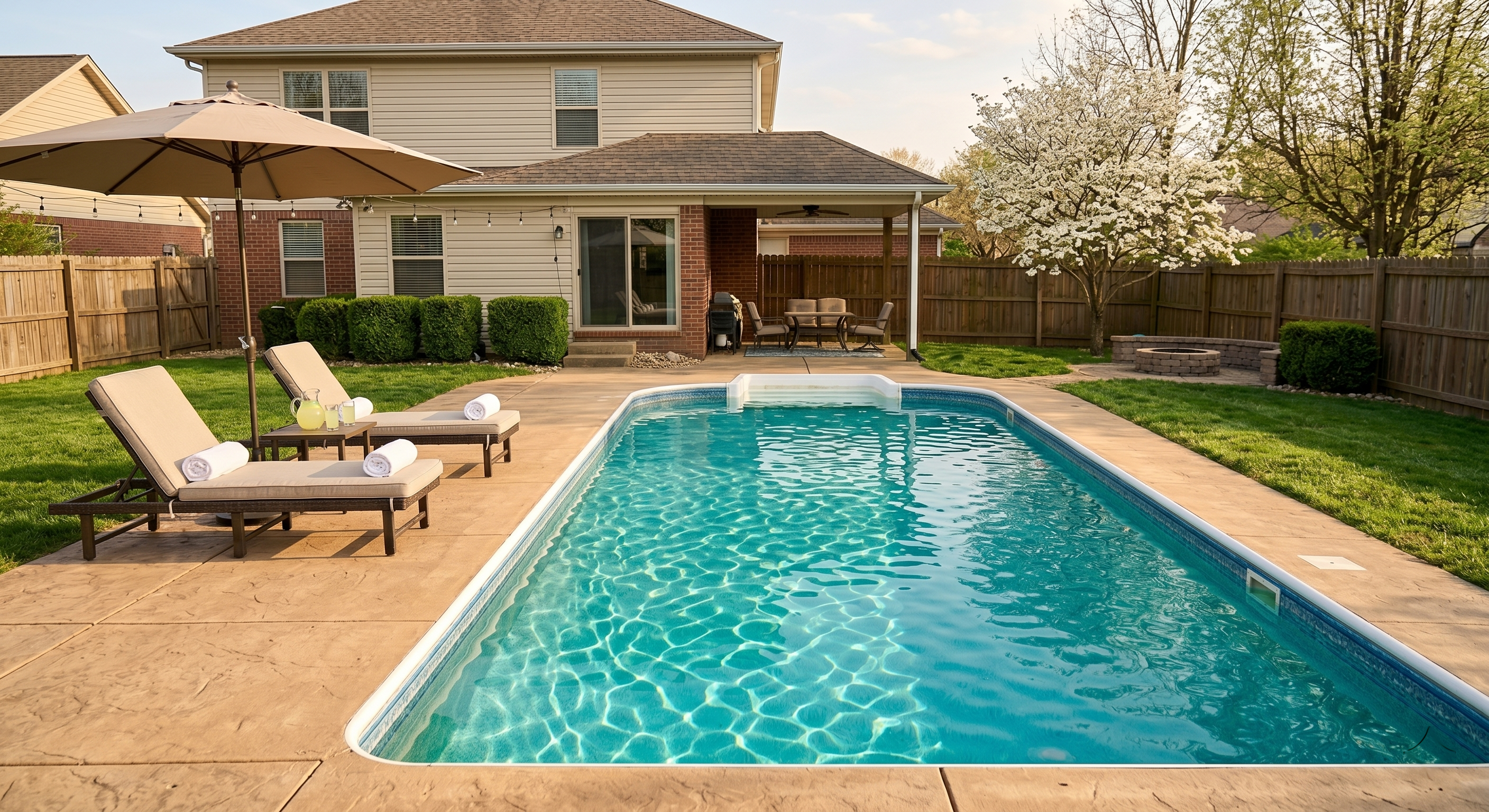
 Neglect is invisible until it isn't. A few hours of spring maintenance is the difference between a house that keeps its value and one that quietly falls apart. (Photo: Pexels)
You've got two options this spring.
Spend a weekend and maybe $300–$500 being proactive. Or spend $10,000–$40,000 reacting to the damage you could've caught in an afternoon.
That's not a scare tactic — that's math. The average homeowner spends $6,087 a year on repairs and maintenance, and 46% got hit with out-of-pocket bills over $5,000 in 2024 alone. Most of those bills were preventable. Winter is hard on houses. It's not dramatic to say that what you ignore in spring is what destroys your wallet in fall.
Here's your spring home maintenance checklist — 11 tasks, in priority order, with honest guidance on what to DIY and what to pay someone else to handle. No hedging. No corporate disclaimers. Just the real call.
Why Spring Is the Right Time for This
Winter does a specific kind of damage: freeze-thaw cycles crack foundations and concrete, ice dams lift shingles and pack moisture into your roof deck, heavy snow stresses structural members, and months of cold makes pipes brittle. Then spring shows up with rain — and all that deferred damage suddenly has water to work with.
Spring maintenance is about catching winter's damage before spring's rain turns a repair into a disaster. Do this right and you're protecting a $300K+ asset with a few hundred dollars and a weekend of your time.
The general rule of thumb: budget 1–3% of your home's value annually for maintenance. On a $350,000 home, that's $3,500–$10,500 per year. Spring is when you spend a chunk of that intentionally, instead of reactively.
Let's get into it.
The Spring Home Maintenance Checklist: 11 Tasks Ranked by Priority
1. Roof Inspection
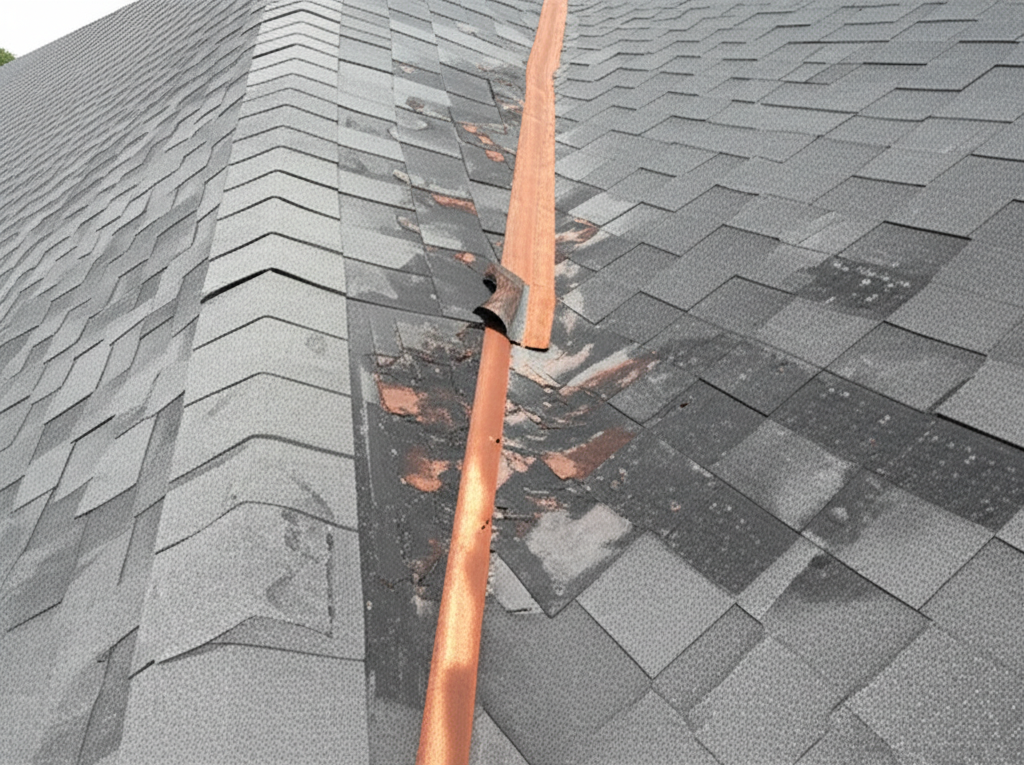 Granule loss (those bare, dark patches on the shingles) is one of the clearest signs that a roof is approaching end of life. If you see this — especially after a hard winter — get a roofer up there before the next rain season.
Hire out (with one exception)
Winter is rougher on your roof than anything else. Freeze-thaw cycles crack the flashing around chimneys and vents. Ice dams lift shingles and force water under them. Heavy snowpack stresses the decking underneath. By spring, you might have damage you can't see from the couch.
The DIY version: grab binoculars, walk the perimeter, scan for missing shingles, sagging sections, or granules collecting in your gutters (that's your asphalt shedding its protective layer). If you're on a single-story and the pitch isn't crazy steep, you can get a closer look. That's a reasonable DIY inspection.
Beyond that — get a roofer. Falls are the leading cause of DIY fatality. That's not a small print warning, that's a real number. A professional roof inspection runs $100–$400 — national average is $247 — and many roofers offer free inspections before any repair work. That's an easy call.
The cost of skipping it: A single missing shingle lets moisture under the decking. Give it 6 months and you've got rot, attic mold, and potentially structural damage. Minor repair: $150–$400. Major repair: $1,000–$3,000. Full replacement: $8,000–$20,000+. The inspection is cheap.
2. Gutter Cleaning & Inspection
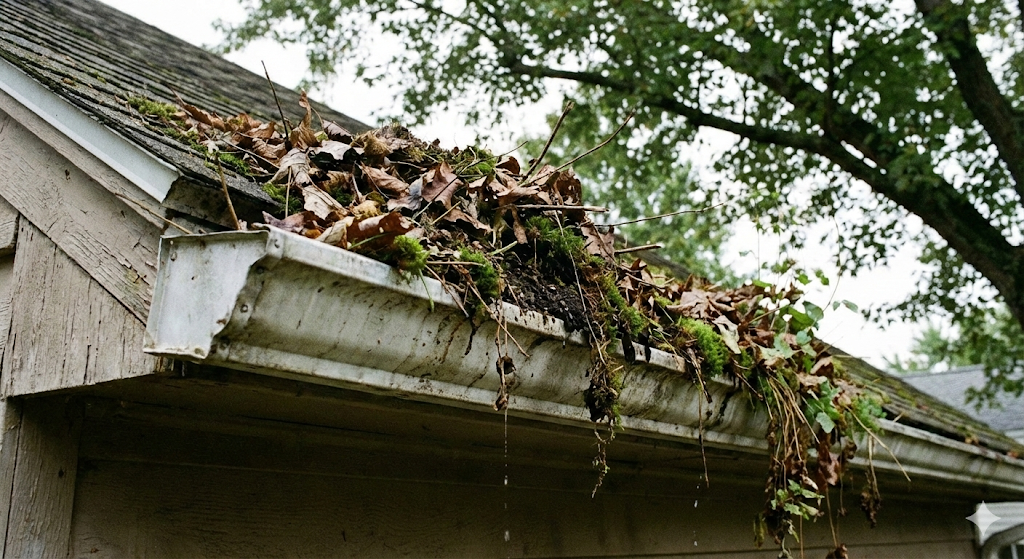 When gutters clog like this, they stop doing their job. Instead of routing water away from your foundation, they overflow directly against your house — and that's when the expensive problems start.
DIY-friendly (one story) — hire out if you're higher up
Here's what gutters actually do: they take water that would otherwise run down the face of your house and direct it away from your foundation. When they're clogged, that system reverses. Water spills over the edge, runs down your siding, pools against your foundation, and slowly introduces itself to your basement.
One-story home? A gutter scoop, a pair of work gloves, a hose, and two or three hours is all this takes. Do it yourself. Check the downspouts while you're up there — they need to discharge at least 4–6 feet from the foundation. If water is getting to within 2 feet of the house, add an extension. They're $10 at any hardware store.
Two-story home or higher? Pay someone. A professional gutter cleaning runs $100–$275 and keeps you off a ladder at 20 feet. If your gutters are sagging or pulling away from the fascia, add a repair inspection to the job — usually bundled into a $200–$576 service call.
The cost of skipping it: Overflowing gutters route water straight to your foundation. Over a few seasons: basement flooding, foundation cracking, fascia rot, landscape erosion. A $150 gutter clean can prevent a $10,000 waterproofing project. That math is hard to argue with.
3. HVAC System Service
DIY the filter — hire out everything else
Your AC has been sitting all winter. It'll get its first real test in May or June, and if it fails at 95°F in July, every HVAC tech in your region is booked out two weeks. That's an expensive, sweaty problem.
What you can absolutely do yourself: change the air filter. A $10–$30 filter every 1–3 months is non-negotiable. Also: clear debris from around the outdoor condenser unit and gently rinse the coils with a garden hose if accessible. These are 20-minute tasks.
What you hire out: refrigerant checks, electrical diagnostics, blower motor cleaning, evaporator coil inspection. Refrigerant handling legally requires an EPA Section 608 certification — you can't even buy the stuff without it. A professional AC tune-up runs $65–$200 and catches the vast majority of failures before they happen.
A full HVAC maintenance plan covering both AC and furnace typically runs $150–$500 a year — worth every penny if your system is over 5 years old.
The cost of skipping it: Emergency AC repair mid-summer: $200–$1,500+. Full system replacement: $3,000–$8,000+. An annual tune-up is cheap insurance against both.
4. Foundation & Drainage Inspection
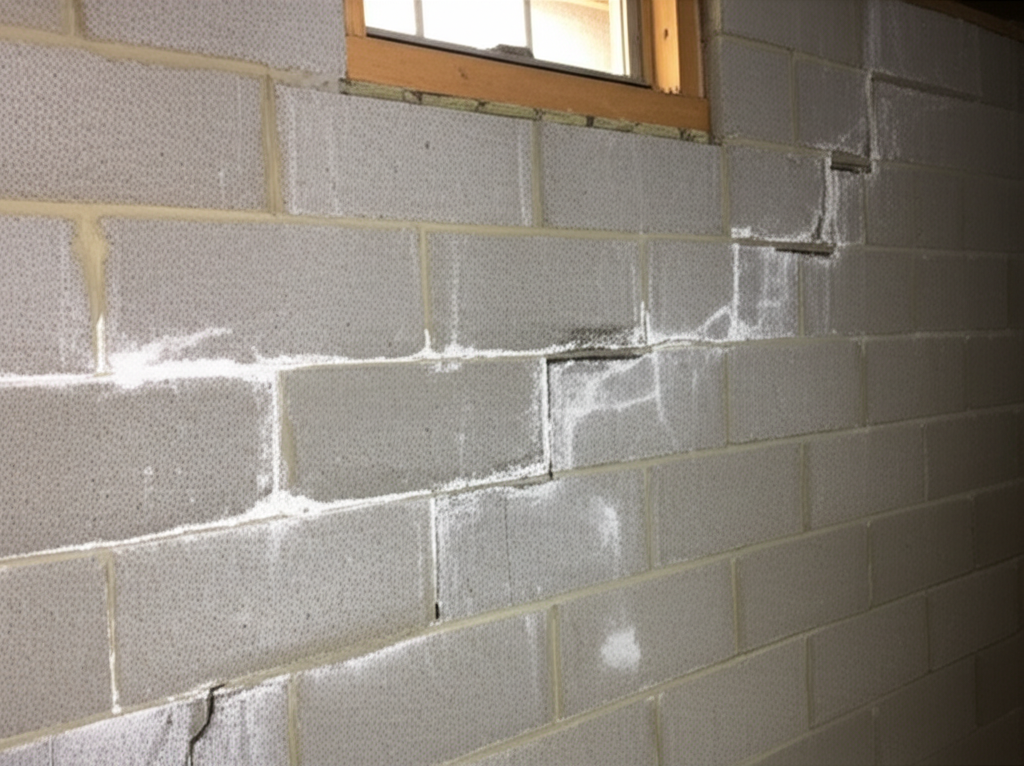 This stair-step crack pattern — running diagonally through the mortar joints — is a warning sign, not a cosmetic issue. Width matters: a crack thicker than a credit card, or one that's grown since last year, needs a foundation contractor to assess before another winter.
DIY the visual — hire out anything that concerns you
This is the big one. Walk the perimeter of your house. Look at the foundation walls for cracks. Check your basement or crawlspace for moisture, standing water, or white mineral deposits (efflorescence — that's water carrying salts through your masonry, which means water is moving through your foundation wall). Check that the ground slopes away from your house everywhere — you want at least a 6-inch drop over the first 10 feet.
Learn the difference between cosmetic cracks and structural ones. Thin, horizontal, stable cracks that haven't changed in years? Usually cosmetic. Vertical stair-step cracks in block foundations, bowing walls, cracks that have widened since last year? That's a call to a foundation contractor or structural engineer, not a patch job.
Small crack epoxy injection from a professional: $250–$800. Interior waterproofing system: $3,000–$12,000. Full foundation repair: $4,000–$40,000+. The delta between "caught it early" and "ignored it for two more winters" is tens of thousands of dollars.
5. Sump Pump Test
100% DIY — but you have to actually do it
Pour a bucket of water into the sump pit. The float should rise, the pump should kick on, and the water should discharge away from the house. That's the whole test. It takes five minutes.
If it doesn't work — or if your pump is more than 7–10 years old — replace it before spring rains hit. A new sump pump installed runs $300–$800. The average basement flooding insurance claim runs $10,000–$30,000.
If your pump runs on electricity and your area gets hard storms, add a battery backup — systems run $300–$900 installed, and it's the decision that prevents the catastrophic one.
6. Deck & Outdoor Structure Inspection
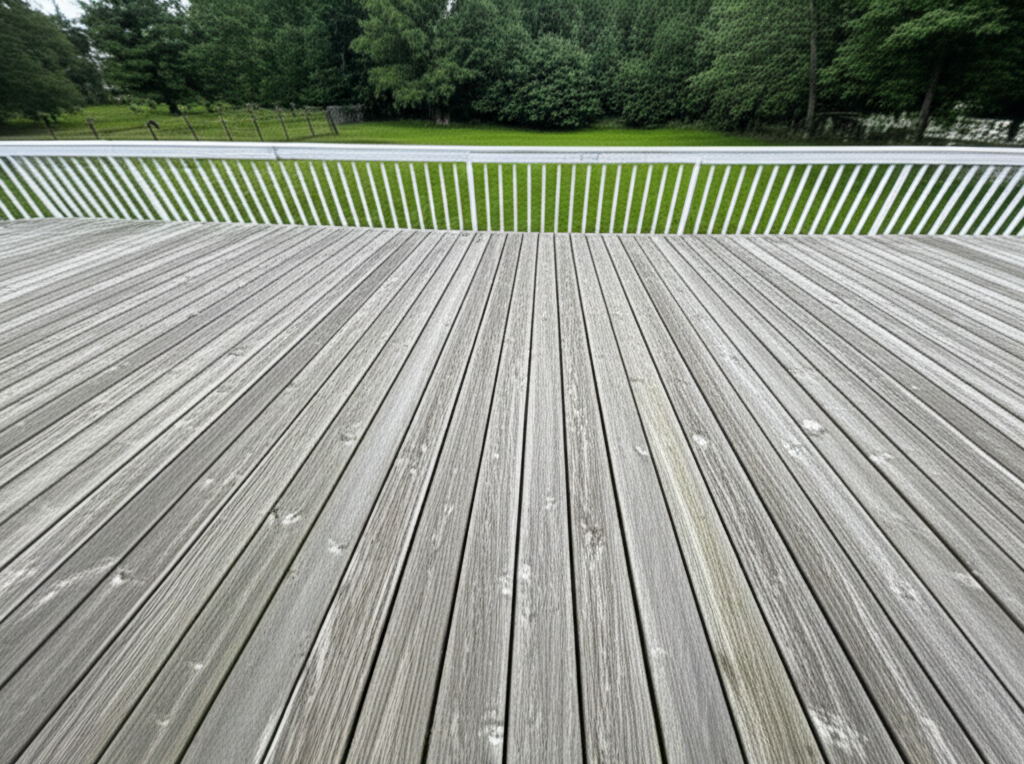 That greenish discoloration is algae — it holds moisture against the boards and accelerates rot. Power wash it off this spring, press each board with your foot to check for soft spots, and reseal before summer.
DIY the surface — hire out the structure
Spring is when you find out what winter did to your deck. Power wash it or hit it with a deck cleaner. Walk every board and press your foot down — soft, spongy boards are rotted and need replacement. Check fasteners for popping or corrosion. If the deck needs sealing or staining, spring is the right time (do it before UV exposure accelerates wear).
Here's the one thing you don't skip: check the ledger board — that's where the deck attaches to your house. If you see rot, improper flashing, or gaps, stop using the deck and call a contractor. Ledger board failure is how decks collapse with people on them. That's not hypothetical. It happens every year.
DIY deck cleaning and staining: $20–$300 in materials. Professional staining: $500–$1,500. Individual board replacement: $200–$500. But if the ledger or structural posts are compromised? Don't guess. Hire it out.
7. Exterior Caulking & Weatherstripping
100% DIY — highest ROI item on this list
Walk around your house and look at the caulk around every window, door, vent, and pipe that penetrates the exterior wall. Cracked, missing, or pulling away from the surface? Scrape it out and replace it. Exterior silicone or paintable latex caulk runs $4–$8 a tube. A full house caulk job costs $20–$60 in materials and a few hours of your time.
Check the weatherstripping on your exterior doors too. If you can see light around a closed door, you're heating and cooling the outdoors. A weatherstrip kit is $15–$30 and a 30-minute job.
The cost of skipping it: Water behind siding and around windows causes rot, mold, and damage that runs $1,000–$10,000+ to repair. A $5 tube of caulk is the cheapest maintenance you can do.
8. Plumbing Check
DIY the inspection — hire out the repairs
After a hard winter, check your exposed pipes for bulges, discoloration, or cracking — signs that they froze and may be about to fail. Test your exterior hose bibs by attaching a hose and turning it on. If water sprays from behind the wall instead of out the hose end, you've got a cracked pipe on the inside. That's a licensed plumber call.
Test your sump pump (see #5). Inspect under sinks for slow leaks. If your water heater is 7+ years old, have a plumber inspect it and consider anode rod replacement — it's a $100–$200 service that extends tank life by years.
Hose bib replacement: $150–$400. Pipe burst repair: $500–$5,000+ depending on location. These are hire-outs in most states — plumbing that connects to supply lines typically requires a licensed plumber.
9. Chimney & Fireplace Check
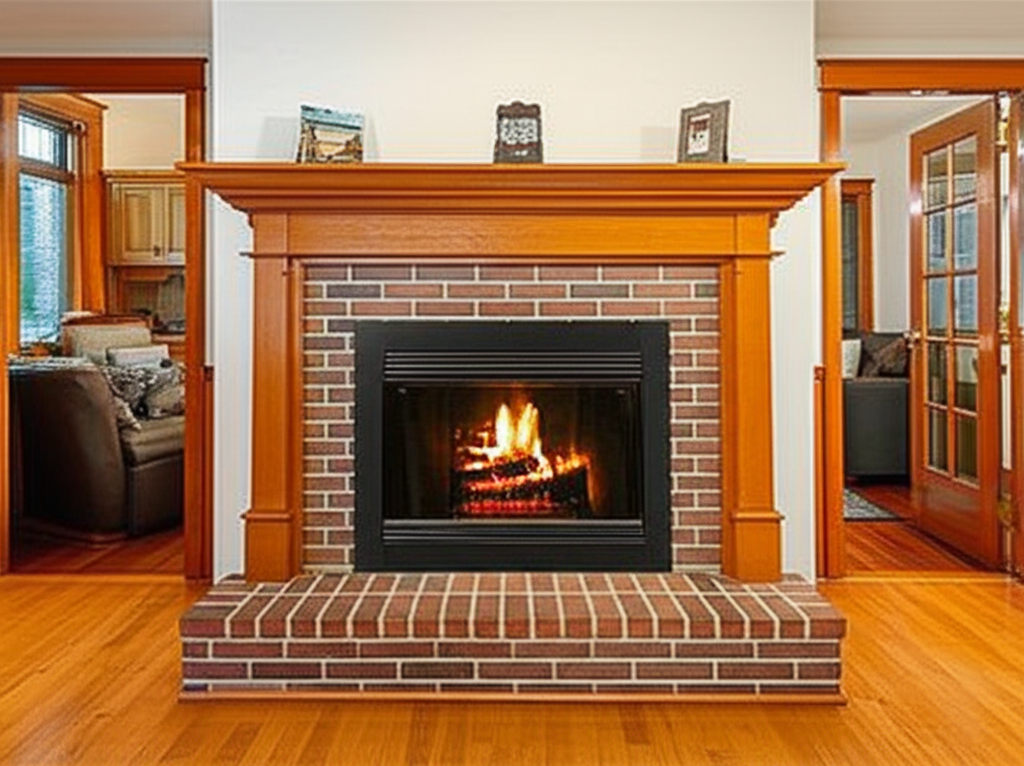 That fire you enjoyed all winter left creosote deposits in your flue. Spring is the time to have a certified chimney sweep clean it out — before summer nesting season fills the chimney with something else entirely.
Hire out the sweep — DIY the basic visual
Open your damper and look up with a flashlight. Look for obvious debris, animal nests (spring is prime squirrel-and-bird nesting season in chimneys), or blockages. Check that the cap and crown are intact from the ground. That's your DIY job.
The actual cleaning and inspection? Hire a CSIA-certified chimney sweep. Creosote buildup from winter fires is both a carcinogen and a fire accelerant — this is not a YouTube tutorial situation. A certified sweep runs $150–$350 and is worth every dollar.
10. Landscaping & Drainage Grading
Mostly DIY — hire for serious drainage issues
Check that the ground around your house slopes away from the foundation. Minimum: 6-inch drop over the first 10 feet. If water pools against your house anywhere, that needs fixing. Minor adjustments — adding topsoil, raking flat spots — are DIY territory ($50–$200 in materials).
If you have persistent drainage problems or low spots that flood consistently, a landscape contractor or civil engineer should assess. French drain installation runs $2,000–$10,000 — not cheap, but cheaper than a flooded basement every spring.
11. Smoke & CO Detector Test
100% DIY. Ten minutes. No excuses.
Press the test button on every detector. Replace the batteries. Check the date on the back — if it's more than 10 years old, replace the whole unit. Detectors degrade over time and either throw false alarms or, worse, fail to alarm when it matters.
New smoke/CO combo detector: $25–$60. The decision to skip this one doesn't have a dollar figure — just a consequence.
Where You Live Changes What's Most Important
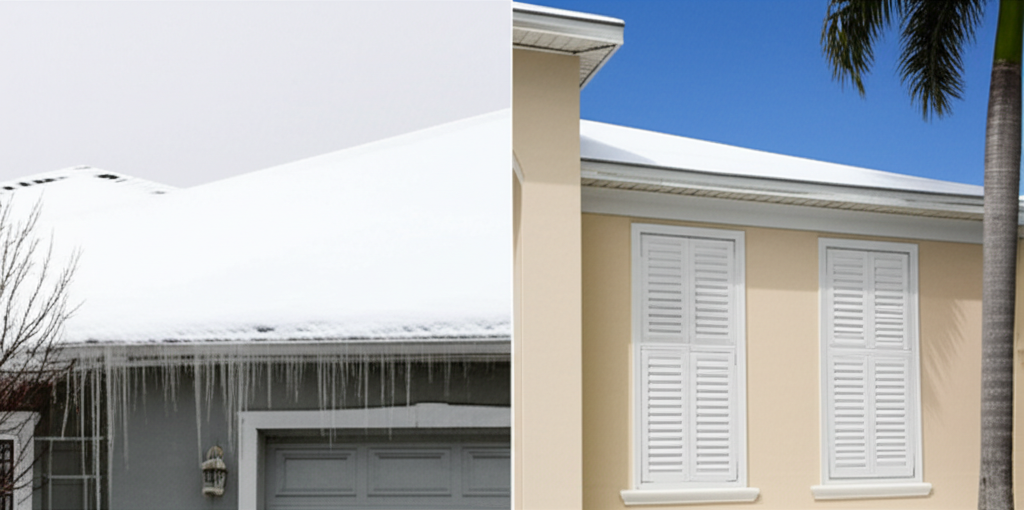 Where you live determines what "spring maintenance" actually means. A Minnesota homeowner's first priority is ice dam damage and sump pump readiness. A Florida homeowner is already thinking about hurricane season prep. This checklist applies differently by region.
This spring home maintenance checklist isn't one-size-fits-all. Your geography determines your priorities:
Midwest & Northern States (IN, OH, IL, MI, MN, WI, IA): Freeze-thaw damage is your #1 threat. Foundation inspection, sump pump test, and roof edge check for ice dam damage move to the top of the list. Spring also kicks off tornado season in the upper Midwest — check roof condition and secure any loose outdoor structures before May.
South & Gulf Coast (TX, OK, LA, MS, AL, GA, FL): Your spring maintenance doubles as early hurricane prep — season starts June 1. Roof inspection, tree trimming, and shutter/storm prep are critical. "Dixie Alley" states (MS, AL, TN, GA) also face significant spring tornado risk — don't skip the roof and structural checks.
Northeast (NY, NJ, PA, CT, MA and north): Ice dam damage and snow load stress are your primary winter hangover. Check your attic for moisture and your roof edges carefully. Old housing stock (50–100+ years) means foundation inspections are especially important — these houses have history.
Pacific Northwest (WA, OR): Moss and algae on roofs is the signature issue here — wet winters accelerate growth, which retains moisture and degrades shingles faster than almost anything else. Prioritize roof and crawlspace inspection. Gutter cleaning after leaf season is non-negotiable.
Mountain West & Arid Southwest (CO, UT, AZ, NM, NV): High UV at elevation degrades roofing materials faster than lowland homes. Spring winds can loosen fasteners on outdoor structures and roofing. Late snowmelt at elevation can surprise mountain homeowners — drainage inspection matters here too.
The Short Version: Your Spring Priority Order
If you're short on time, hit these first:
- Roof inspection — water damage is the most expensive thing on this list
- Gutters — directly cascades into foundation problems
- HVAC service — do it before summer when techs are booked solid
- Sump pump test — before the first big rain
- Foundation inspection — catch it while it's still cheap
- Caulking & weatherstripping — 2 hours, $30, massive ROI
- Deck ledger check — safety issue, not cosmetic
The rest — chimney sweep, exterior paint, landscaping — are worth doing this season, but they won't ruin your summer if they slip a few weeks.
 The difference between a good contractor and a bad one isn't always obvious until after the job. Doing your homework upfront — reviews, references, licenses — is what separates a smooth project from a nightmare.
When You Do Hire Out, Hire Right
Most homeowners who've been burned by a bad contractor say the same thing: I just picked someone from a quick Google search. One bad hire for a $400 gutter cleaning can turn into a $4,000 mess when they damage your fascia or downspouts.
Finding a good contractor shouldn't feel like a gamble. Saorr shows you real reviews from real homeowners in your area — people who had the same work done on the same kind of house in your town. When you're looking for a roofer, HVAC tech, plumber, or chimney sweep, browse vetted contractors on Saorr and see what your neighbors actually experienced.
Your house took care of you all winter. It's your turn.
Find Trusted Pros Near You
Ready to start your project? Connect with vetted, top-rated contractors in your area.
Get Started